


 Login / Create Account






What Is The 3 And 3 Poop Rule For Kids?
share this article
Worrying about your little one's bathroom habits might feel like a strange thing to spend mental energy on — but almost every parent does at some point. Constipation is one of the most common things pediatricians hear about, and the questions parents ask are always the same: Is this normal? How long is too long? When should I actually do something?
The 3 and 3 poop rule is a simple way to answer all three at once.
What Is the 3 and 3 Poop Rule?
The 3 and 3 poop rule means this: if your kiddo is going fewer than 3 times a week, or has been passing hard, painful stools for more than 3 days in a row, constipation is likely — and it's time to do something about it.
What makes this rule useful is that it checks two things at once. How often your little one goes matters, but so does what it's actually like when they go. A toddler who poops every single day but strains and cries every time? That can still be constipation.
A kiddo who only goes every other day but has no trouble at all? Probably fine. Frequency and comfort together tell the real story — and the 3 and 3 rule captures both in something you can actually remember at 7am when you're half-awake and wondering if it's been too long.
How Common Is This, Really?
Constipation is genuinely one of the most common reasons families end up at the pediatrician — it accounts for up to 25% of all pediatric gastroenterology visits.
If your little one is struggling with this, you're in very crowded company. A large systematic review in the American Journal of Gastroenterology found constipation affects anywhere from 1% to nearly 30% of kiddos worldwide depending on age and diet.
The reassuring part? Up to 95% of cases have no underlying medical cause — it's almost always something fixable, like what they're eating or drinking. You haven't missed something serious. The gut just needs some help.
Why Do Kids Get Constipated?
Most of the time, constipation in little ones comes down to not enough fiber, not enough water, or a pattern of holding it in — and often some combination of all three.
The diet piece is usually the most obvious culprit. Kiddos who eat a lot of crackers, cheese, white bread, and processed snacks — and not much in the way of fruits, vegetables, and whole grains — tend to produce stools that are harder and drier than they should be. But here's the part that surprises a lot of parents: once a bowel movement hurts, many little ones start avoiding going altogether.
Research from the NIH confirms that even a single painful experience can be enough to kick off a withholding pattern. And when stool sits in the colon longer than it should, the body keeps pulling water out of it — making the next one even harder to pass. It's a cycle that feeds itself, and one that gets harder to break the longer it goes on.
What Does Constipation Actually Look Like in a Baby or Toddler?
You're not always looking for a kiddo who "can't go" — constipation shows up in a lot of ways that are easy to miss or misread.
The most obvious signs are hard, pellet-like stools and visible straining or crying during a bowel movement. But there's more to watch for. A hard or bloated belly, a sudden drop in appetite, crankiness that seems to come out of nowhere — these can all be constipation in disguise, especially in babies and toddlers who can't tell you their stomach hurts.
One sign that catches parents off guard: accidents or soiling in a potty-trained kiddo, even when the stool looks soft or loose. Johns Hopkins Medicine explains that liquid stool can actually leak around a hardened blockage in the colon — so what looks like diarrhea can sometimes mean the opposite.
If your little one has started having accidents without any other signs of illness, it's worth considering.
Here are the signs most worth watching for:
- Hard, dry, or pebble-like stools
- Straining, crying, or discomfort during a bowel movement
- A visibly hard or bloated belly
- Stomach pain or cramping, especially before going
- Reduced appetite
- Unusual irritability in babies or toddlers
- Soiling or accidents in a potty-trained kiddo
What Should I Do If My Kiddo Meets the 3 and 3 Criteria?
Start with the basics: more fiber, more water, and more movement — these three things together fix most cases of constipation in little ones before you ever need to call anyone.
On the food front, add in fruits and vegetables that have natural softening properties — pears, apples with the skin on, berries, prunes, broccoli, and oats are all great starting points.
At the same time, it helps to ease back on the binding foods: cow's milk in excess, bananas, white rice, and heavily processed snacks all slow things down. For hydration, water should be the default drink throughout the day, not just at meals — juice and milk don't do the same job. And don't underestimate movement; regular active play genuinely helps get the gut moving. Most families see a real difference within a few days of making these changes consistently.
If things aren't improving after one to two weeks of trying, that's when it makes sense to call your pediatrician. They may suggest a short course of a gentle stool softener — polyethylene glycol (sold as MiraLAX) is the one most commonly recommended for little ones, and it has a solid safety record.
The goal there isn't just to get things moving; it's to break the pain-withholding cycle so your kiddo stops associating the bathroom with something scary.
Can Prebiotics Help With Constipation in Kids?
Prebiotic fiber feeds the good bacteria in the gut that support healthy digestion — and there's real evidence it can help soften stools in little ones who aren't getting enough of it through food.
A randomized controlled trial published in the International Journal of Food Sciences and Nutrition found that supplementing with inulin-type fructans — a type of prebiotic fiber found naturally in chicory root — significantly improved stool consistency in constipated toddlers aged 2 to 5, compared to a placebo group that saw no change.
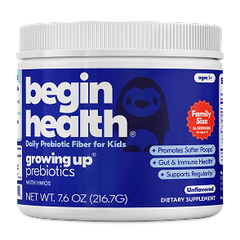
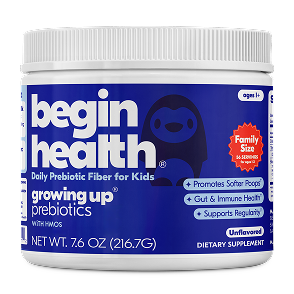
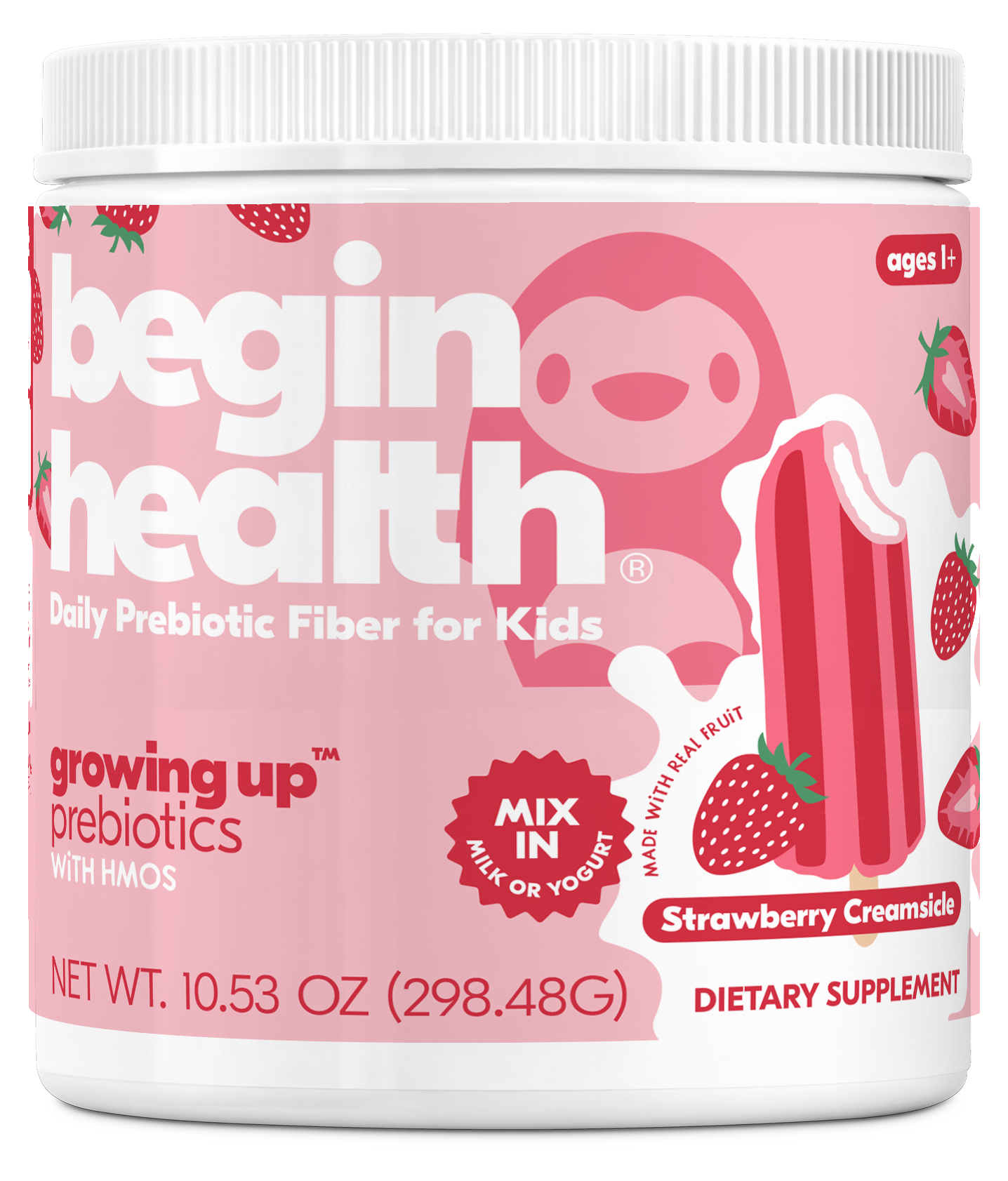
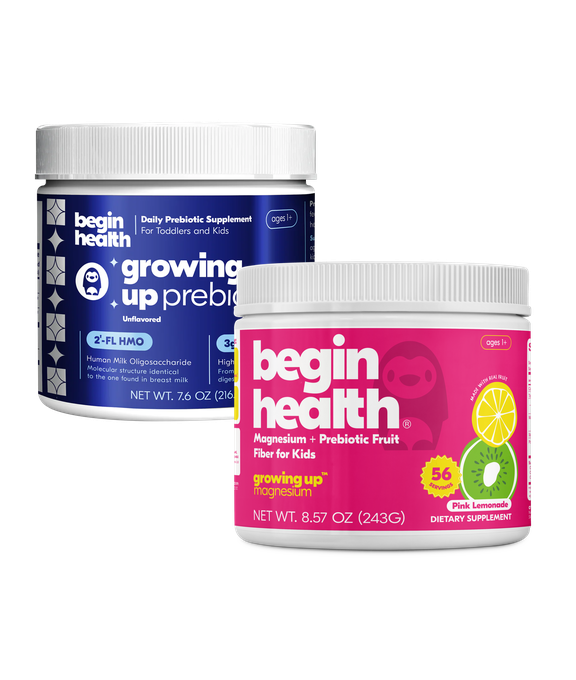
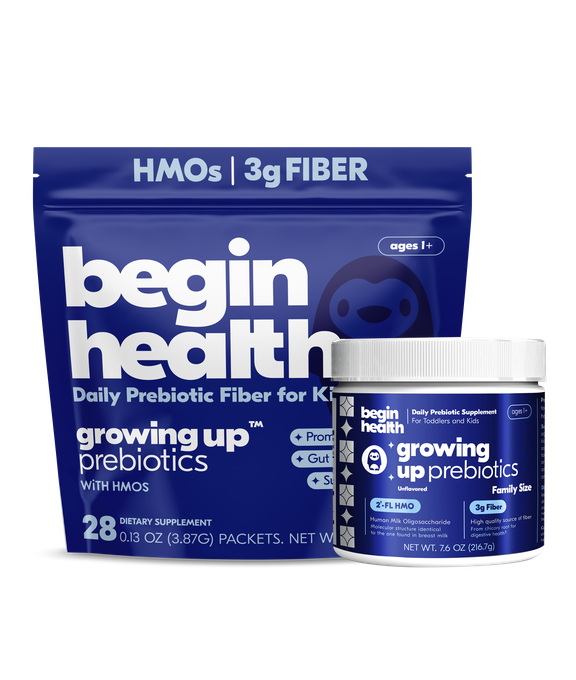
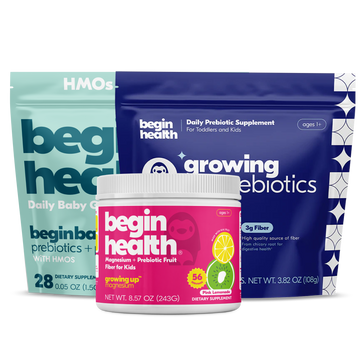
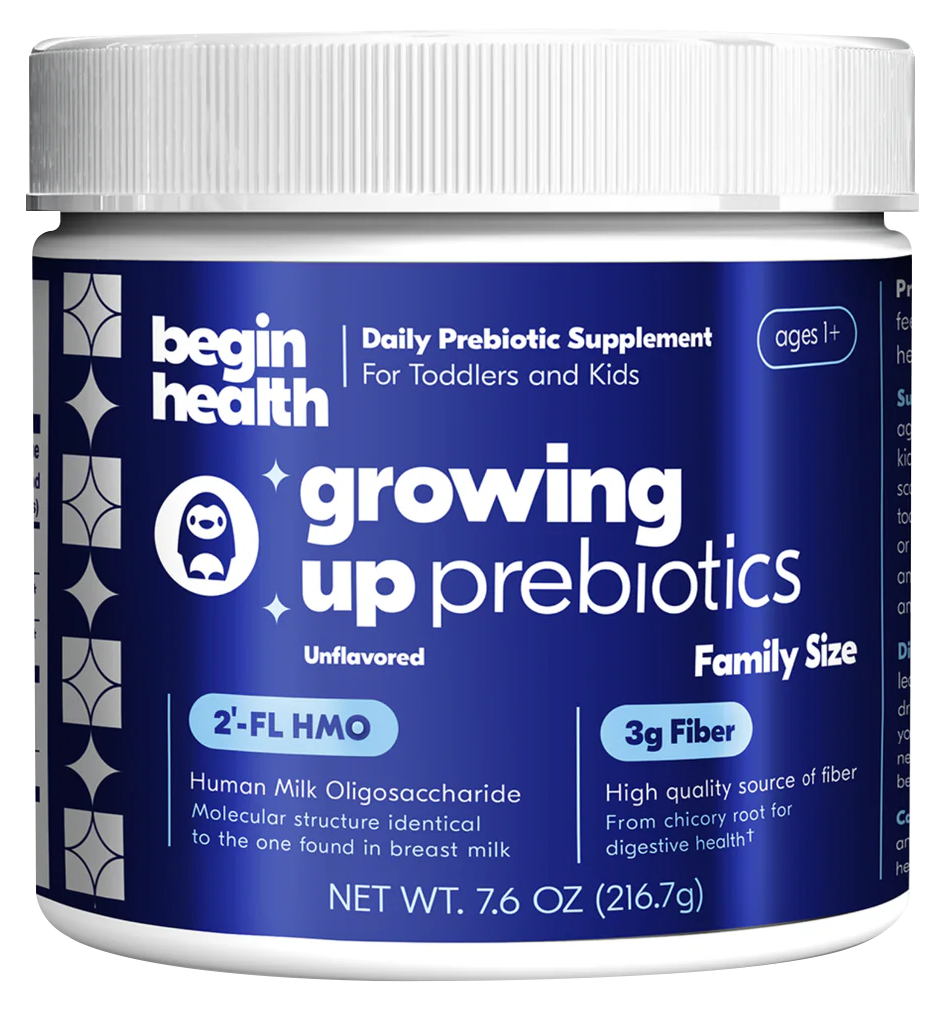
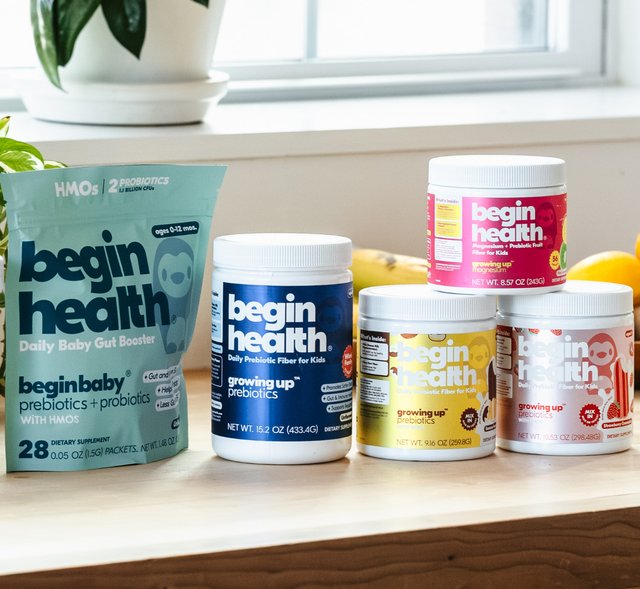
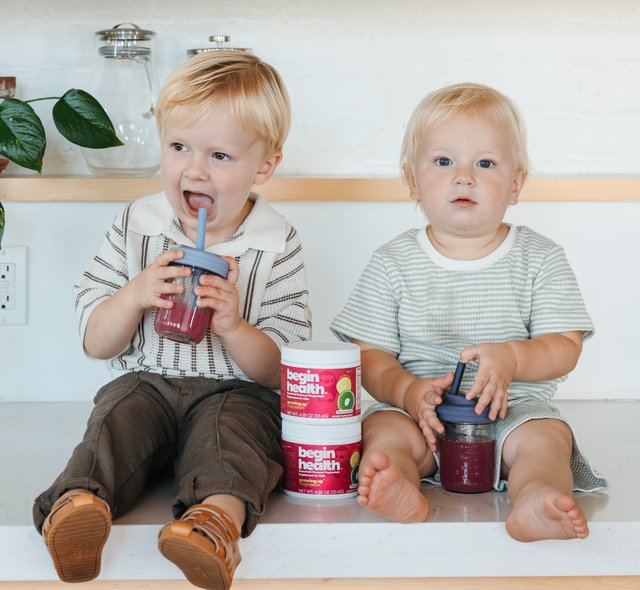
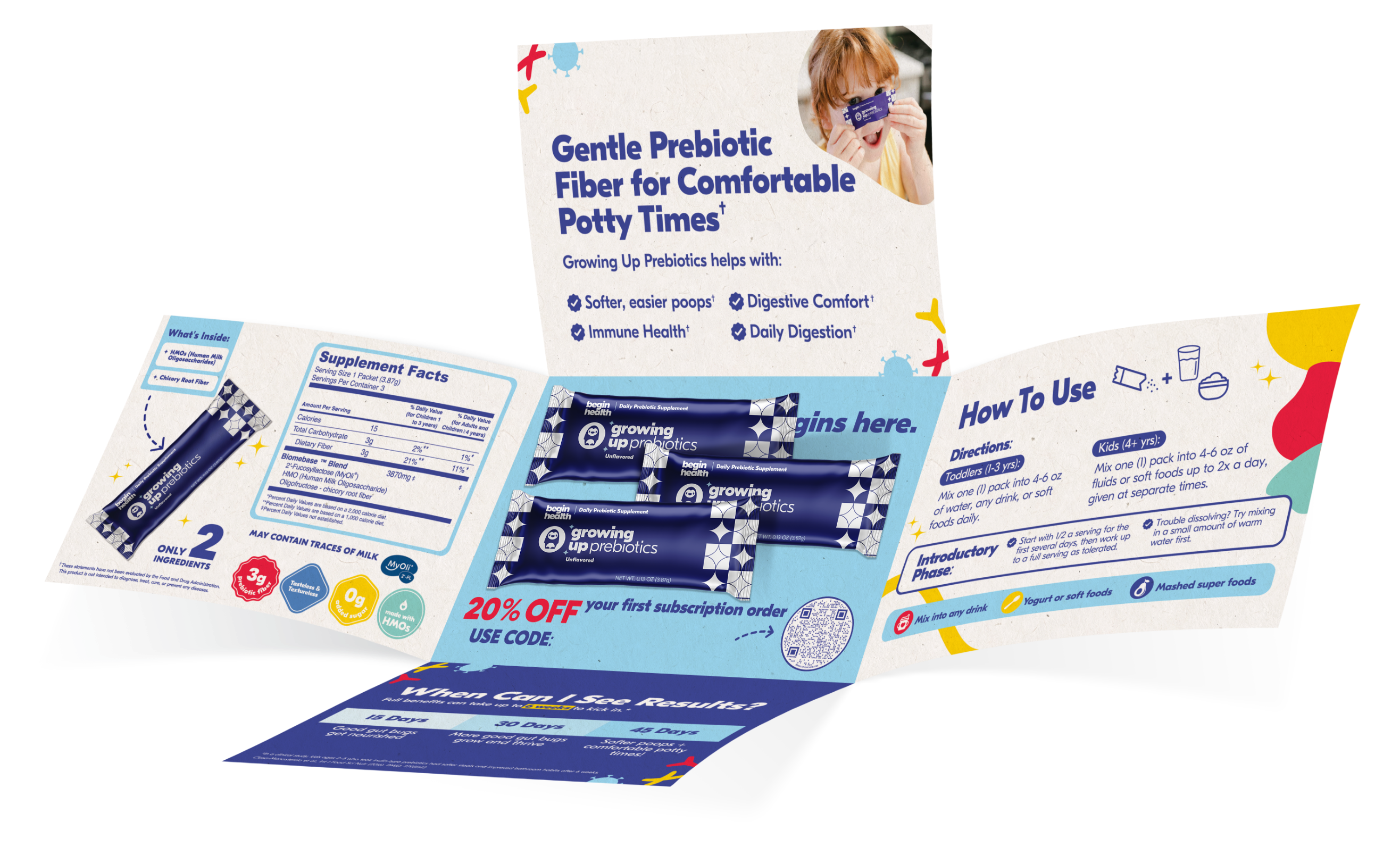
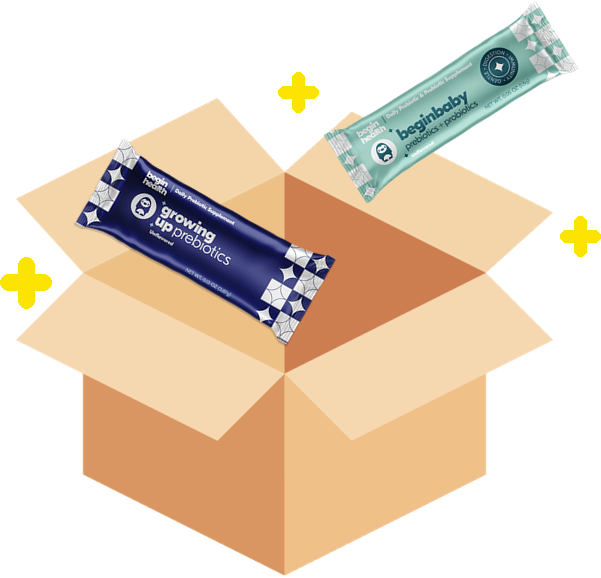
For picky eaters who aren't getting much prebiotic-rich food day to day, a supplement can genuinely help fill that gap. Begin Health's Growing Up Prebiotics is one option designed specifically for babies and toddlers — it uses chicory root fiber alongside 2'FL HMO, a human milk oligosaccharide that mirrors what's naturally found in breast milk.
It's flavorless, mixes into any drink, and is formulated to be gentle on little stomachs. It's not a laxative and it's not a quick fix — but as part of a broader approach to gut health, it's worth a conversation with your pediatrician.
When Should I Actually Call the Doctor?
Most constipation gets better with dietary changes at home — but there are specific situations where you really do want a professional involved sooner rather than later.
Call your pediatrician if your little one hasn't had a bowel movement in 5 to 7 days, especially if they seem uncomfortable. Also reach out if you notice blood in or around the stool, if constipation is paired with vomiting or a fever, if your kiddo isn't growing well, or if home remedies haven't made any difference after a week or two.
One more: if constipation has been present since the newborn period, that's always worth mentioning to your doctor. These things don't necessarily mean something serious is going on — but they're the situations where it's better to have someone take a look.
The Takeaway
The 3 and 3 rule is your gut-check. Fewer than 3 bowel movements a week, or hard and painful stools for more than 3 days — that's your cue to act. In most cases, fiber, water, and movement get things back on track without much fuss. If they don't, your pediatrician is there and has absolutely heard this before. You're paying attention, you're asking the right questions, and that's exactly what your little one needs.
Frequently Asked Questions
Does the 3 and 3 rule apply to breastfed babies?
Not quite. Breastfed babies can go several days between bowel movements and be completely normal — breast milk is so well-absorbed that there's sometimes very little left over to pass. The 3 and 3 rule is more useful for toddlers and kiddos who have started solids. For young babies, what matters more is whether the stool, when it comes, is soft and whether your baby seems comfortable.
What foods make constipation worse in toddlers?
The main ones are excess cow's milk, bananas, white rice, applesauce, and processed snacks like crackers and cheese. They're not bad foods — they're just binding, which is actually useful when you have diarrhea but counterproductive when your little one is already backed up. Pulling back on them while adding more fiber-rich options usually makes a noticeable difference pretty quickly.
Can anxiety or stress cause constipation in kiddos?
Yes, and more than most parents expect. Starting daycare, a new sibling, potty training pressure, travel — any of these can trigger a withholding pattern in little ones. The gut and brain are closely connected, and toddlers especially tend to tighten up (literally) during stressful transitions. Addressing the emotional piece can be just as important as the dietary one.
How long can a toddler safely go without pooping?
Three to four days is the point where it's worth paying close attention. Beyond five to seven days, especially with any discomfort, call your pediatrician. The longer stool sits in the colon, the harder it gets — and the harder it gets, the more it hurts, which makes the withholding worse. Early intervention really does make a difference here.
Related Articles

Author
Begin Nutrition Team


-
Buy Now

Join the
Happy Gut Club
Daily reads to help your little ones lead happier and healthier lives.