


 Login / Create Account






How To Tell If Your Toddler Has A Poop Blockage
share this article
Your little one hasn’t pooped in days. They’re cranky, maybe clutching their belly, and you’re trying to figure out if it’s just regular constipation, or something more serious.
The idea of a “blockage” sounds scary, but the truth is, many parents ask this same question when nothing seems to be moving.
Let’s walk through what a poop blockage actually is, how to tell if it might be happening, and what to do next. The goal here is to give you grounded information so you can feel steady, even when things feel stuck.
What is a poop blockage?
A poop blockage, or fecal impaction, is when stool gets so backed up that it’s difficult or impossible for your toddler to pass it on their own.
This is different from regular constipation, which is common and usually resolves with food, fluids, and time. A blockage happens when stool has been sitting in the colon for too long, becomes very hard, and creates a kind of roadblock that the body can’t clear naturally.
Fecal impaction can be painful and often causes other symptoms, like appetite loss or vomiting. In some cases, soft stool may leak around the blockage and show up as accidents in underwear or frequent small smears in the diaper. That’s not diarrhea—it’s a red flag that something might be stuck.
What are signs of a poop blockage in toddlers?
The most common signs of a poop blockage are a swollen belly, refusal to eat, and stool leakage.
Many of these symptoms overlap with general constipation, but when they cluster together or worsen quickly, it may point to a more severe backup.
Watch for:
-
A firm, bloated belly that feels tight to the touch
-
No poop for 5 or more days
-
Stool leakage or frequent skid marks
-
Refusal to eat or feeling full quickly
-
Nausea or vomiting
-
Fussiness or signs of belly pain, especially during or after meals
If your kid has multiple symptoms like these, and home remedies haven’t helped, it’s time to reach out to your pediatrician.
Can a toddler poop a little and still have a blockage?
Yes, even if your toddler is passing small amounts of stool, they can still have a larger blockage higher up.
This is one of the most confusing parts for parents. A kid might have small smears in their diaper or occasional soft poops, but still be holding onto a significant amount of hard stool in their colon. That happens when softer stool sneaks around the impaction—what’s called overflow.
If your toddler has small, frequent poops that don’t seem to bring relief, or if they’re still acting uncomfortable despite “going,” it may be time to check in with your provider.
What causes a poop blockage?
Most blockages develop after days or even weeks of unresolved constipation.
A few things commonly contribute:
-
Holding in poop due to pain or potty training fears
-
Changes in routine or illness that interrupt bowel habits
-
A diet too heavy in milk or low-fiber foods
-
Lack of movement or physical activity
This buildup happens gradually, so by the time symptoms are more obvious, your little one may already be significantly backed up.
What should I do if I think my toddler has a blockage?
If you suspect a blockage, call your pediatrician. They can assess the situation and guide the next step.
In many cases, they may want to see your kid in person to gently check the belly or recommend an abdominal X-ray. Treatment depends on the severity but may include:
-
Oral cleanout medication (like polyethylene glycol)
-
A suppository or enema (given in the office or at home)
-
A longer-term plan for softening stool and retraining bowel habits
Your pediatrician may also recommend adding daily prebiotics to support gut balance moving forward.
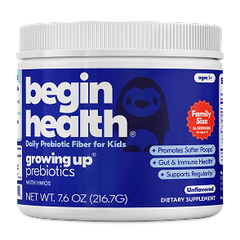
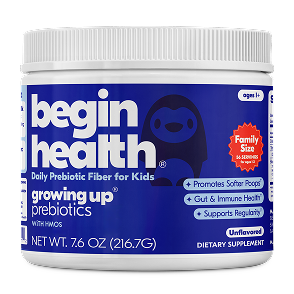
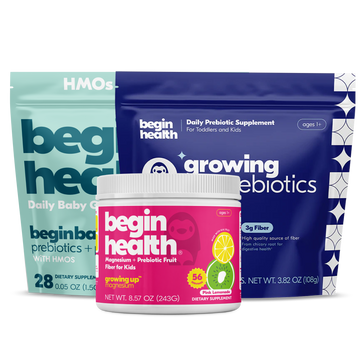
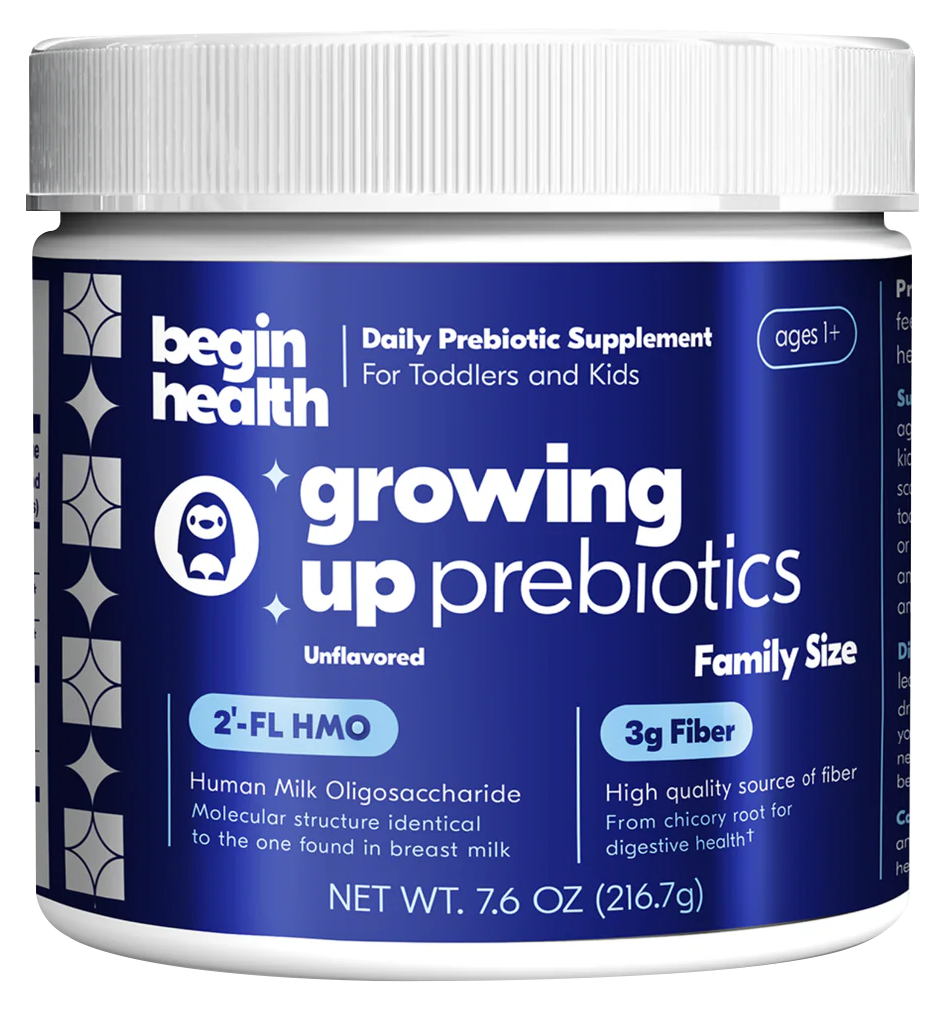
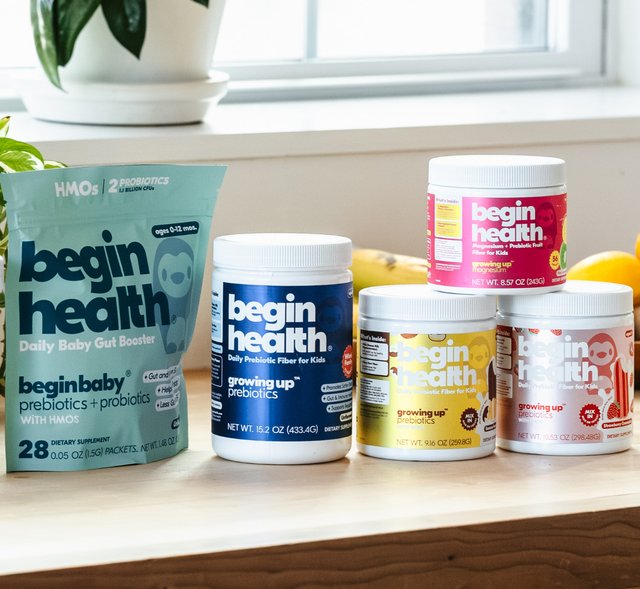
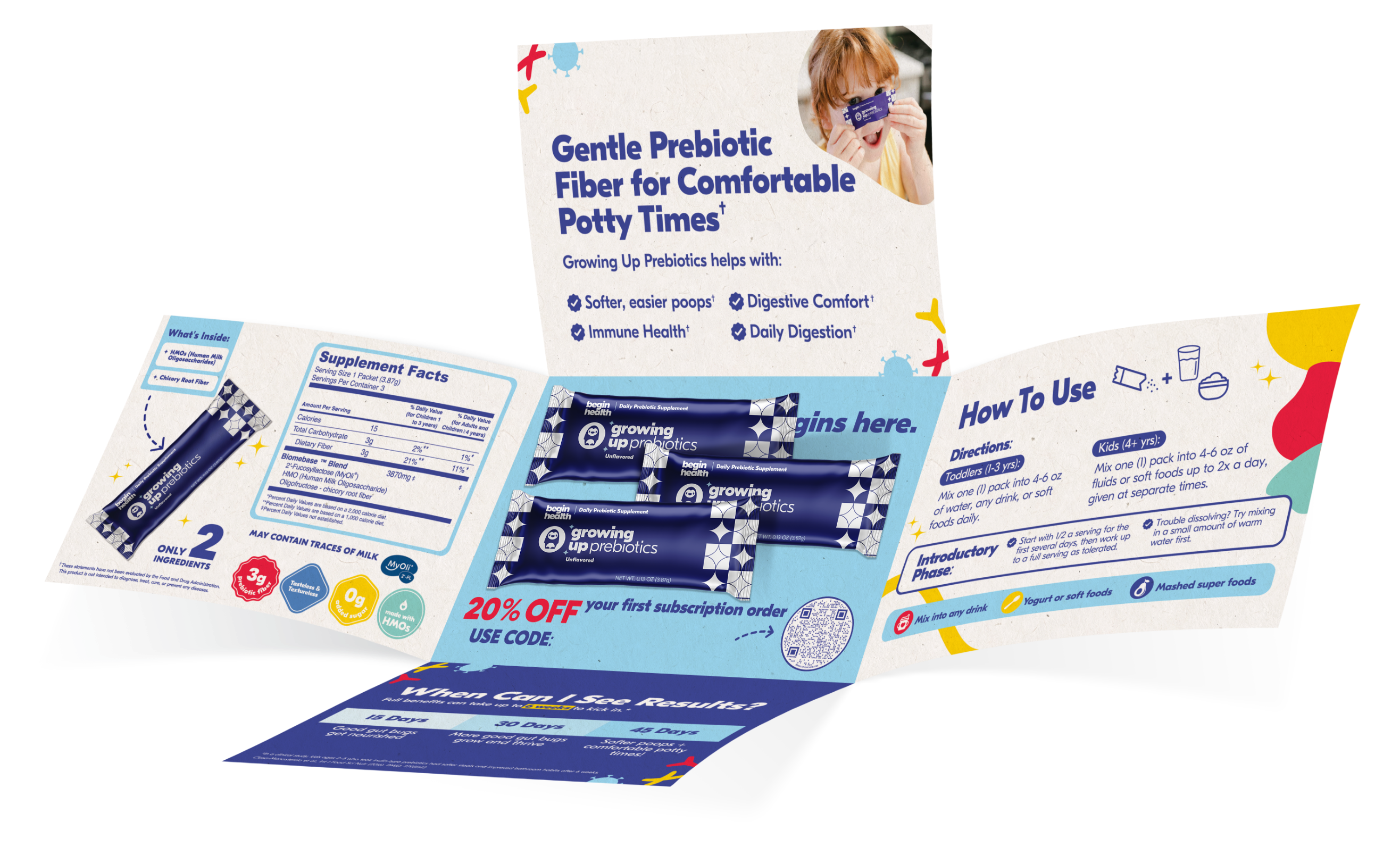
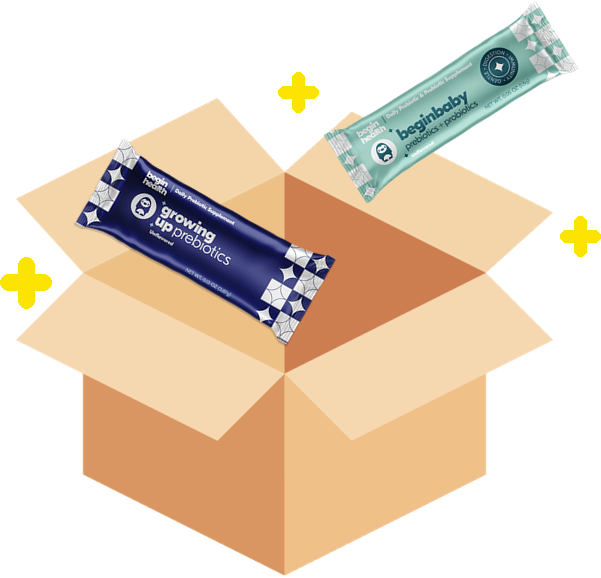
Begin Health’s Growing Up Prebiotics uses HMOs (Human Milk Oligosaccharides) and chicory root to feed good gut bacteria and support smoother digestion over time. They're toddler-safe, tasteless, and designed for daily use. Always ask before starting something new.
-
Buy Now

Join the
Happy Gut Club
Daily reads to help your little ones lead happier and healthier lives.
When it’s probably not a blockage
If your kid is pooping at least every couple of days, seems mostly comfortable, and doesn’t have a swollen belly or vomiting, it’s likely not a blockage.
Constipation in toddlers is extremely common and doesn’t always mean there’s a serious backup. Many kids go through phases where they skip a day or two, strain a little, or seem a bit grumpy around poop time. These moments can look worrying, but they often resolve with more water, fiber, and time.
It’s also probably not a blockage if:
-
Your kid is eating, drinking, and playing normally
-
They’re passing soft (even if occasional) stools
-
There’s no belly pain or bloating
-
They’re not leaking stool between poops
If you're not seeing red flags, you're likely dealing with regular constipation, not a true impaction. That still deserves care, but it usually responds well to home strategies like fiber-rich meals, movement, hydration, and gut support with prebiotics.
And if you're still unsure, your pediatrician can help put your mind at ease.
Final Takeaway
-
A poop blockage happens when hard stool builds up and won’t pass on its own
-
Signs include a bloated belly, stool accidents, and ongoing discomfort
-
Even small poops don’t rule out a larger impaction
-
Call your pediatrician if your gut says something is off
-
With the right support, most kids recover quickly and feel much better
You're not overthinking it. You're being attentive—and that's what helps your kid the most.
FAQs
Can my toddler still poop and have a blockage?
Yes. Small poops or stool leaks can happen even when a blockage is present.
Is a poop blockage an emergency?
It can be, especially if there's vomiting, a swollen belly, or severe discomfort. Call your doctor if you’re unsure.
How is a blockage treated?
Treatment may include cleanout medications, suppositories, or enemas. Your pediatrician will guide the safest option.
Can this happen from potty training?
Yes. Fear of pooping or holding it in during potty training is a common trigger.
How do I prevent this from happening again?
Focus on fiber, fluids, movement, and daily gut support with options like toddler-safe prebiotics.

Author
Begin Nutrition Team
-
Buy Now
Join the
Happy Gut Club
Daily reads to help your little ones lead happier and healthier lives.


