


 Login / Create Account




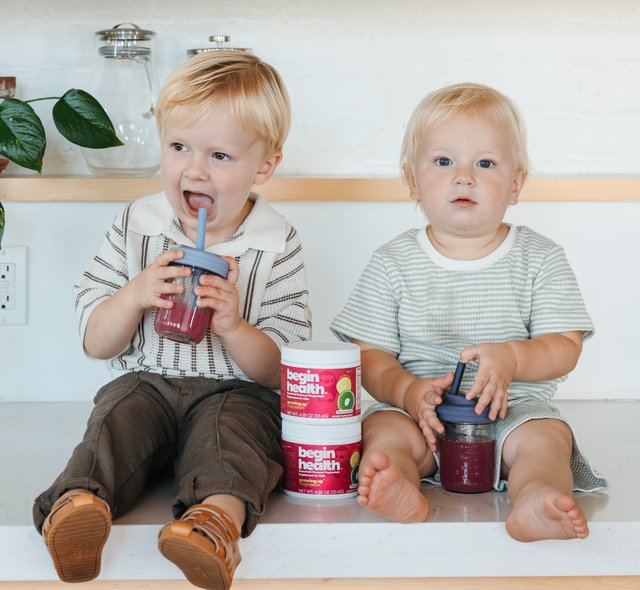


What Drinks Help Constipated Toddlers Go?
share this article
If you’re here, chances are it’s late, your kiddo hasn’t pooped in a while, and you’re wondering whether there’s something, anything, you can pour into a cup that might help. Constipation has a way of escalating worry fast. A toddler who’s uncomfortable, cranky, or refusing the potty can make even calm parents feel stuck and unsure.
The good news is that drinks can play a meaningful role in helping stool soften and move along. The less good news is that not every “healthy” drink actually helps, and some can quietly make things worse. Let’s walk through what actually supports a constipated toddler’s gut, what’s worth trying, and what to skip without panic, pressure, or extremes.
What should I give my constipated toddler to drink first?
Plain water is usually the best place to start.
Hydration matters more than most parents realize when it comes to stool. If the body doesn’t have enough fluid, the colon does what it’s designed to do—it pulls water out of stool, leaving it dry, firm, and harder to pass.
Toddlers are especially prone to mild dehydration because they’re busy, distracted, and not always great at recognizing thirst. Even a small dip in fluid intake can tip things toward constipation.
That doesn’t mean forcing water or turning it into a battle. Small, frequent sips throughout the day tend to work better than large amounts all at once. Offering water alongside meals, after active play, and before bed can gently raise overall intake without stress.
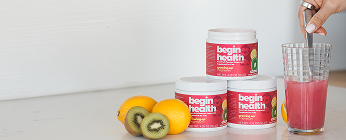
If your little one resists plain water, it’s okay to make it more appealing. A splash of fruit juice, a few frozen berries, or a fun straw can make a difference. The goal isn’t perfection—it’s steady hydration.
Does juice help a constipated toddler poop?
Certain juices can help, but only in small, intentional amounts.
Some fruit juices contain natural sugars that aren’t fully absorbed in the small intestine. When they reach the colon, they draw water into the stool, which can help soften it and make it easier to pass.
The juices most commonly helpful are:
-
Prune juice
-
Pear juice
-
Apple juice
These tend to work because of their sorbitol content, not because they’re “strong” or medicinal. For toddlers, a small amount goes a long way—often just a few ounces diluted with water.
What matters just as much is timing. Offering juice earlier in the day can be more effective than right before bedtime, and pairing it with regular meals helps the gut’s natural movement do its job.
It’s also worth saying out loud: juice is a tool, not a daily solution. Too much can crowd out more nourishing foods, affect appetite, or lead to loose stools that feel just as uncomfortable in a different way.
Is prune juice safe for toddlers?
Prune juice can be safe and effective when used gently.
Prune juice has a reputation, and for good reason: it works. It contains both sorbitol and natural compounds that encourage bowel movement. For a constipated toddler, that combination can be helpful when stool has become firm or infrequent.
The key is moderation. Starting with a small amount diluted with water helps reduce the chance of cramping or sudden urgency. Some parents find that warming it slightly (not hot) makes it more palatable and easier to drink.
If your toddler refuses prune juice outright, that’s common. Mixing it with pear or apple juice can soften the flavor without eliminating its effect.
What drinks make toddler constipation worse?
Some common drinks quietly contribute to harder stools.
This part often surprises parents, especially when they’re doing their best to offer “healthy” options.
Milk is the most common culprit. While milk is nutritious, large amounts can slow gut movement in some toddlers and displace fiber-rich foods. That doesn’t mean milk needs to be eliminated, but it may need to be scaled back temporarily if constipation is an issue.
Other drinks to be cautious with include:
-
Excessive dairy-based drinks (like smoothies heavy on yogurt or milk)
-
Sugary drinks with little fluid benefit
-
Drinks with artificial sweeteners, which can upset digestion in unpredictable ways
Balance matters more than restriction. Often, adjusting portions and spacing—rather than removing drinks entirely—is enough to help things normalize.
Can warm drinks help a constipated toddler?
Warm liquids can gently stimulate the gut’s natural reflexes.
There’s a reason many people feel the urge to poop after a warm drink in the morning. Warmth can encourage the colon to contract, helping stool move along.
For toddlers, this might look like warm water, warm diluted juice, or even a mild broth if that fits your routine. The effect isn’t dramatic, but it can be supportive—especially when paired with sitting on the potty after a meal, when the body is already primed for digestion.
This isn’t about forcing a result. It’s about creating conditions that make going easier and less tense.
How much should a constipated toddler be drinking?
There’s no single perfect number, but steady intake across the day matters more than totals.
Rather than counting ounces obsessively, it’s more useful to notice patterns. Is your toddler drinking something at most meals and snacks? Are there long stretches of the day with very little fluid?
Signs that hydration may be low include darker urine, fewer wet diapers or bathroom trips, dry lips, or stools that look hard and pebble-like.
Offering drinks regularly, especially during active play or hot weather, often improves stool consistency within a few days.
Do fiber drinks help toddlers with constipation?
Fiber works best when it’s paired with enough fluid and introduced gradually.
Some parents reach for fiber drinks or supplements hoping for quick relief. Fiber can help, but without enough water, it can actually make stools bulkier and harder to pass.
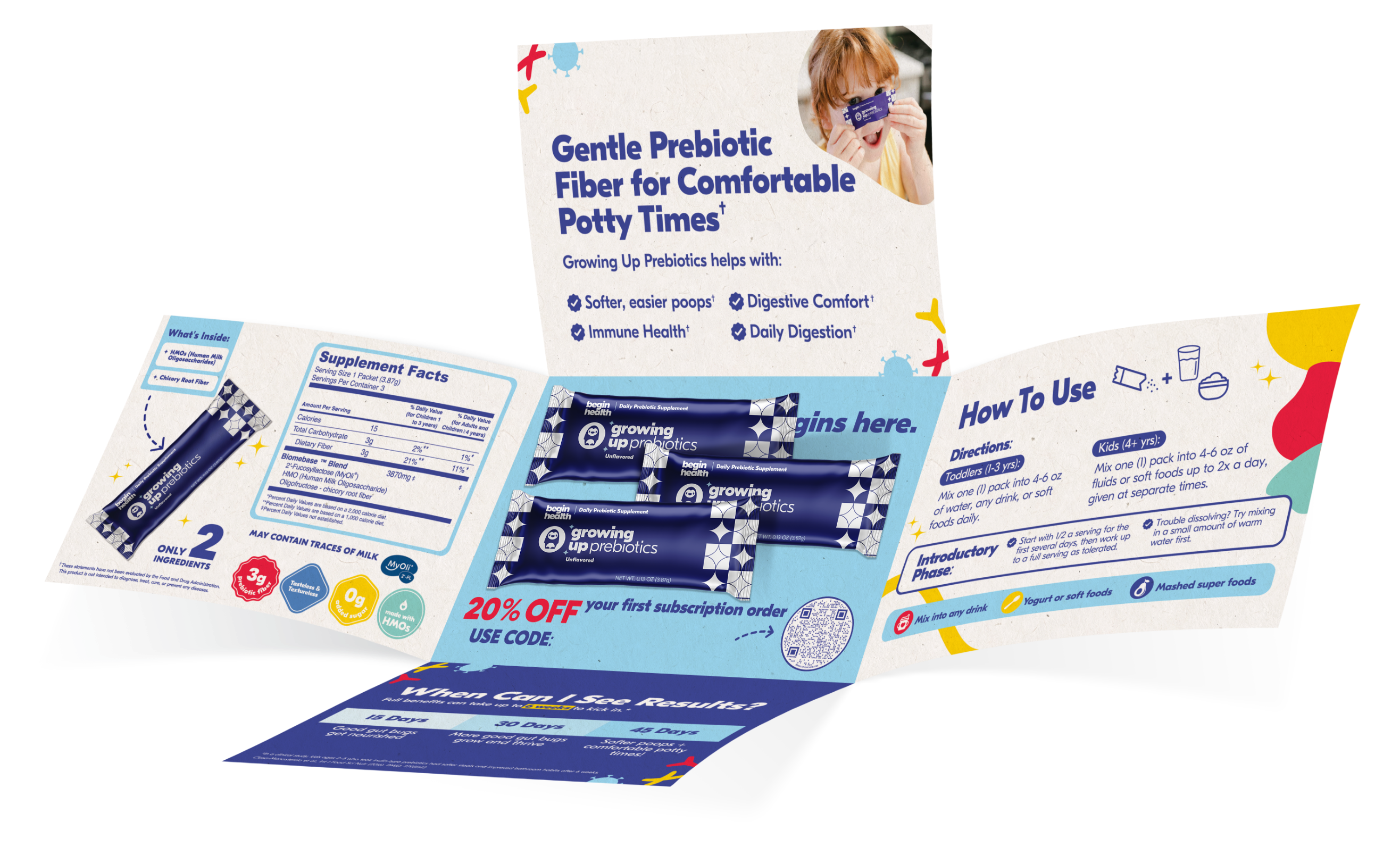
If you’re considering a gentle fiber supplement, it’s important to choose one designed specifically for toddlers and to introduce it slowly. Prebiotic fibers are often better tolerated than harsh laxative-style products.
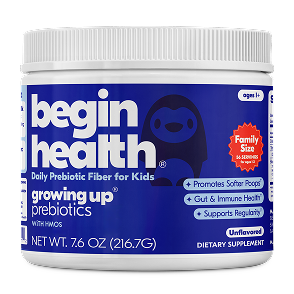
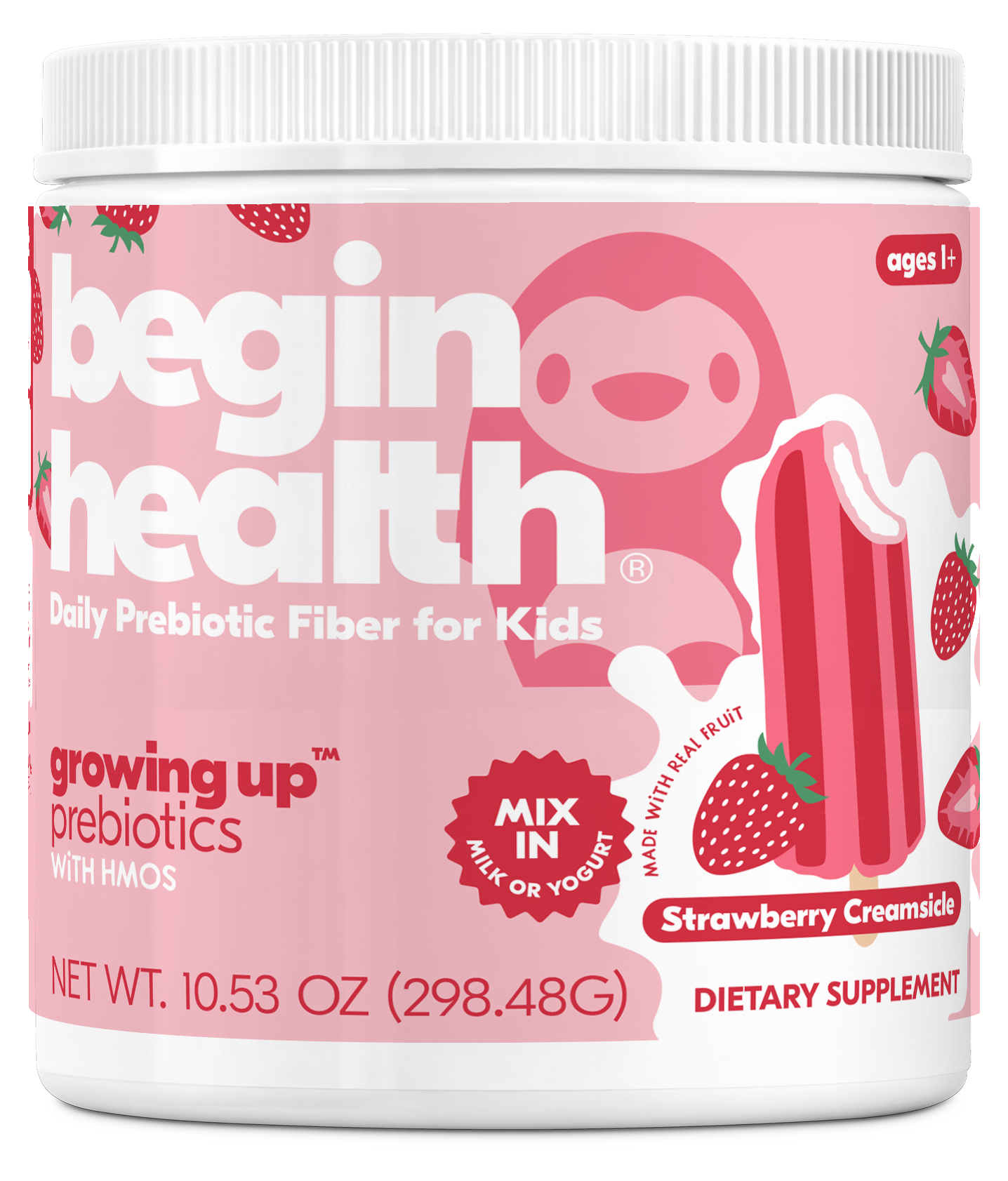
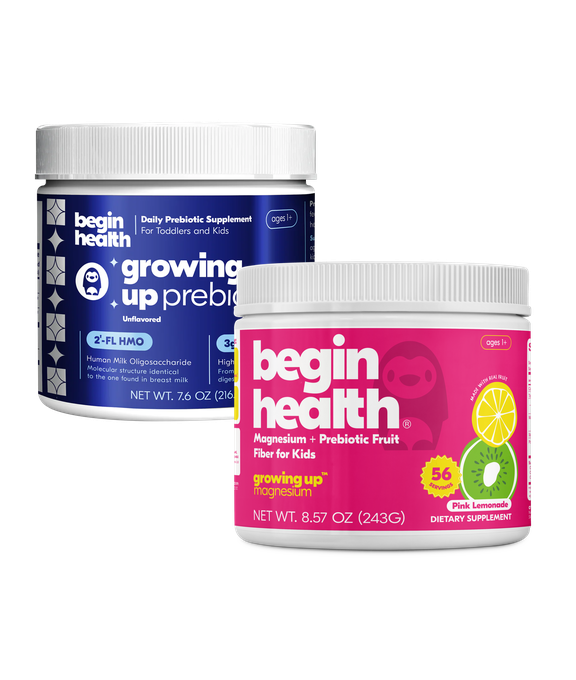
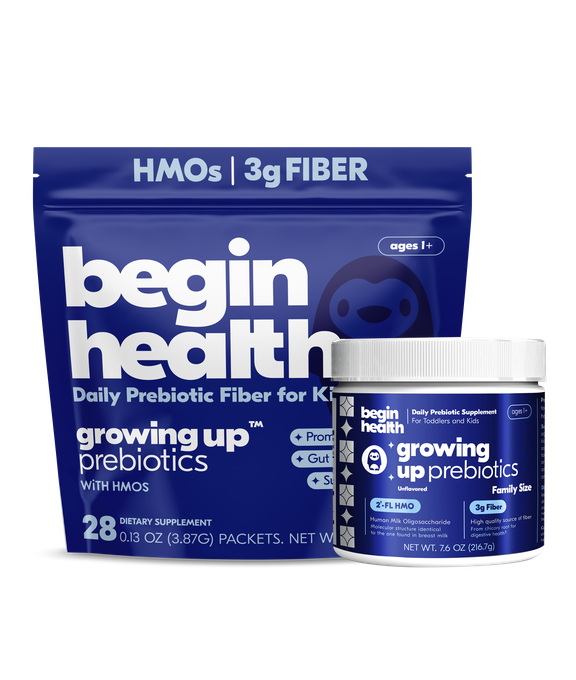
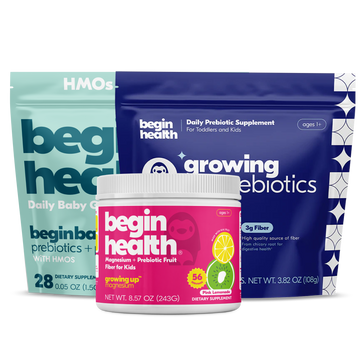
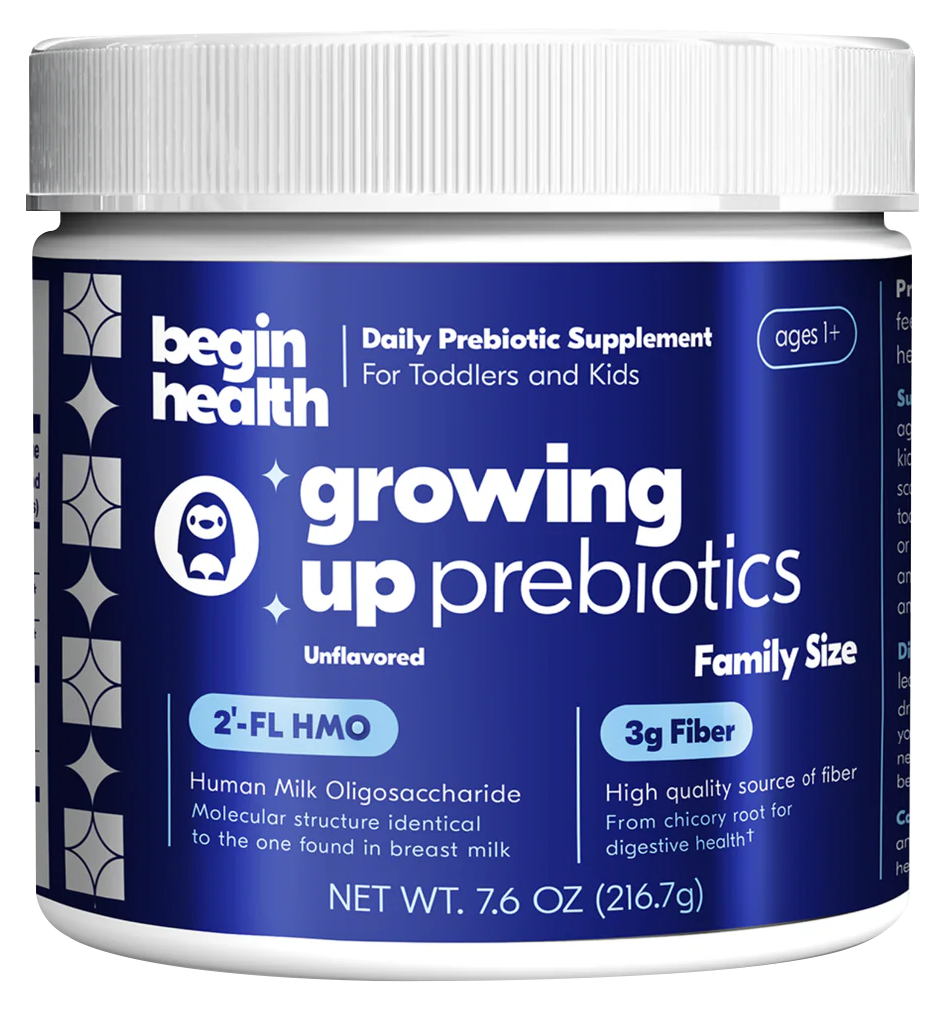
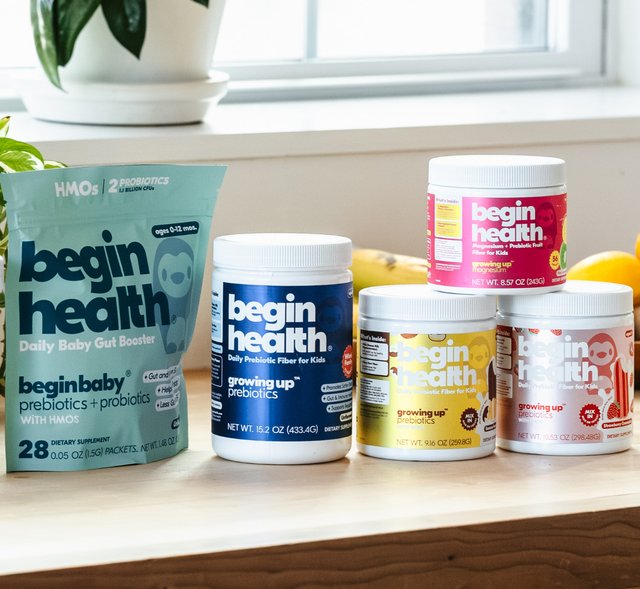
Products like Begin Health’s toddler-safe prebiotic blends are designed to dissolve easily and work with the gut’s natural bacteria, rather than forcing a bowel movement. When used thoughtfully, they can support more regular stools over time without urgency or discomfort.
This works best as part of a broader routine that includes hydration, meals, and predictable potty time, not as a standalone fix.
How long do drinks take to help constipation?
Unfortunately, drinks aren't usually a quick fix. Most drink-related changes take one to three days to show an effect.
This can feel slow when you’re watching your toddler strain or avoid the potty, but it’s normal. The colon needs time to rehydrate stool and move it forward.
If there’s no improvement after several days of consistent hydration and gentle juice use, or if your toddler seems increasingly uncomfortable, it’s reasonable to check in with a pediatric provider for guidance.
When should I worry about constipation in my toddler?
Certain symptoms mean it’s time to get extra help.
While most constipation is functional and temporary, there are signs that shouldn’t be ignored:
-
Severe belly pain or swelling
-
Vomiting
-
Blood in the stool (beyond a small streak from a fissure)
-
Ongoing refusal to eat
-
Constipation lasting several weeks despite changes
Trust your instincts here. You know your kiddo best, and persistent discomfort deserves attention.
Frequently Asked Questions
Can I give my toddler electrolyte drinks for constipation?
Occasionally, diluted electrolyte drinks can help with hydration, but many contain added sugars. They’re not usually necessary unless advised.
Is coconut water helpful for toddler constipation?
Coconut water hydrates well, but it doesn’t have the same stool-softening effect as juices with sorbitol. It can be part of fluid intake, but it’s not a primary solution.
Should I stop milk completely if my toddler is constipated?
Usually no. Reducing the amount temporarily is often enough, especially if milk intake is high.
What if my toddler refuses all helpful drinks?
Focus on small wins—diluting, warming, or offering fluids with meals. Pressure tends to backfire.
Can drinks alone fix constipation?
Sometimes yes, often no. They’re one piece of a bigger picture that includes food, routine, and comfort.
Related Articles

Author
Begin Nutrition Team


-
Buy Now

Join the
Happy Gut Club
Daily reads to help your little ones lead happier and healthier lives.