



 Login / Create Account









Case Study: From 10 Days Without a Bowel Movement to Pooping Every Day
share this article
When your little one is in pain and you've tried everything, the desperation is real. This mom had the poop logs to prove it.
The Problem
For one family, constipation wasn't just an occasional inconvenience — it became a daily source of distress for their 2-year-old daughter. Painful bowel movements had triggered a withholding cycle: the more it hurt to go, the harder she tried not to. The fear of pain was making the constipation worse, and the constipation was making the fear worse.
Her mom started keeping a poop log just to track how bad things had gotten. At their worst, they counted 10 days between bowel movements.
"She would spend hours crying, saying her tummy hurt, she didn't want to poop, she wanted it to go away."
The family had already tried everything they could find. Growing Up Prebiotics was a last resort — ordered after all other options had been exhausted.
-
Buy Now

Join the
Happy Gut Club
Daily reads to help your little ones lead happier and healthier lives.
Why Prebiotics Can Help
Functional constipation in toddlers is common, and the withholding cycle it creates can be genuinely difficult to break. When stool stays in the colon too long, the body absorbs more water from it, making it harder and more painful to pass — which reinforces the very behavior driving the problem.
Prebiotic fiber works differently from laxatives. Rather than forcing a bowel movement, it works with the gut over time: feeding beneficial bacteria, improving stool consistency, and supporting more predictable, comfortable bowel habits. The goal isn't a one-time fix — it's a gut environment where going is no longer something to dread.
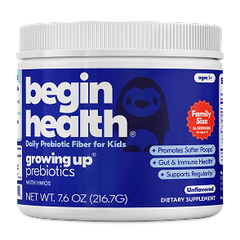
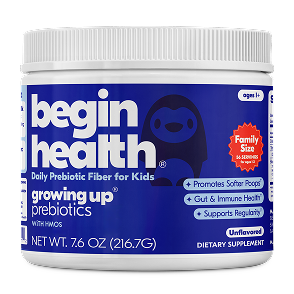
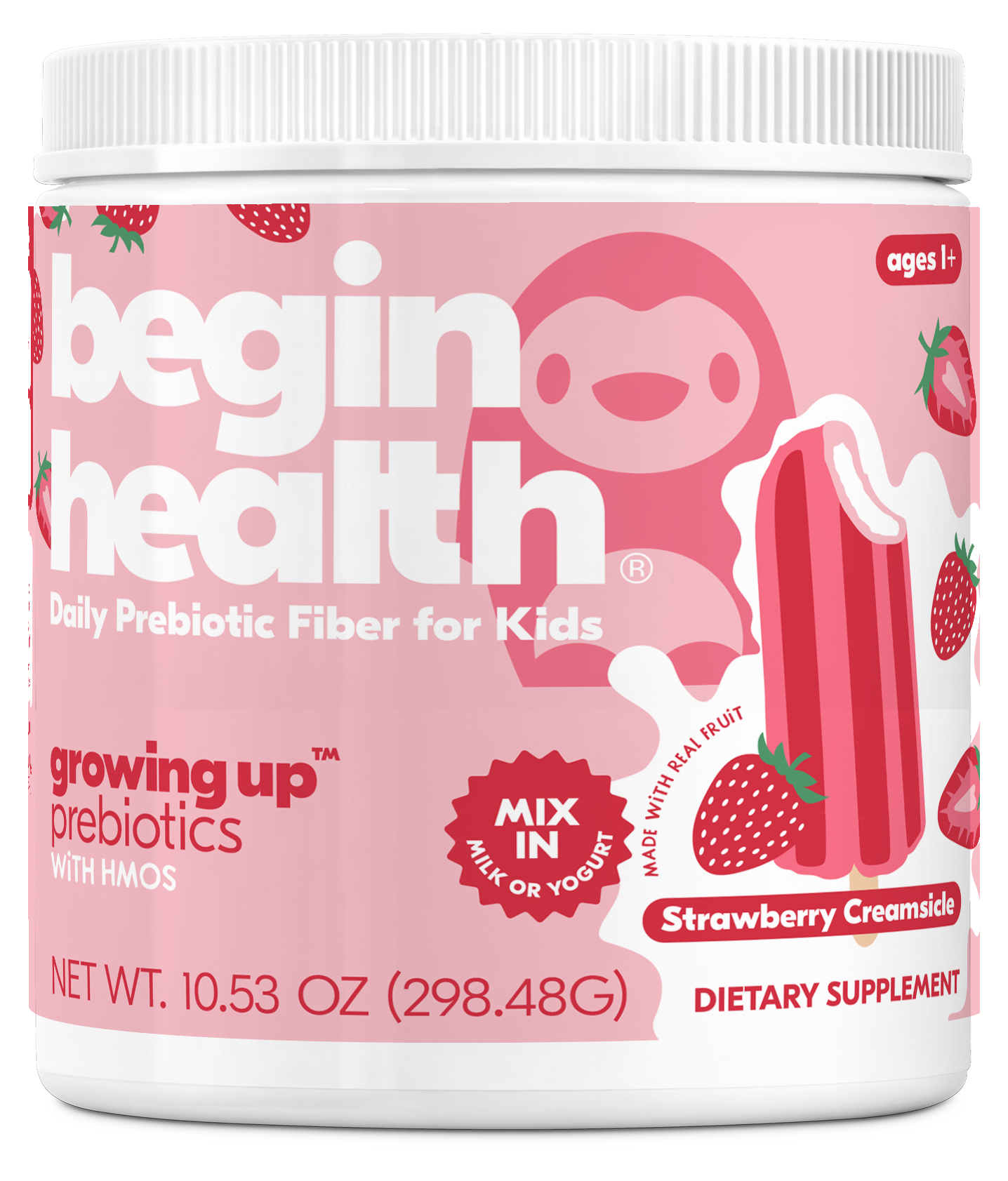
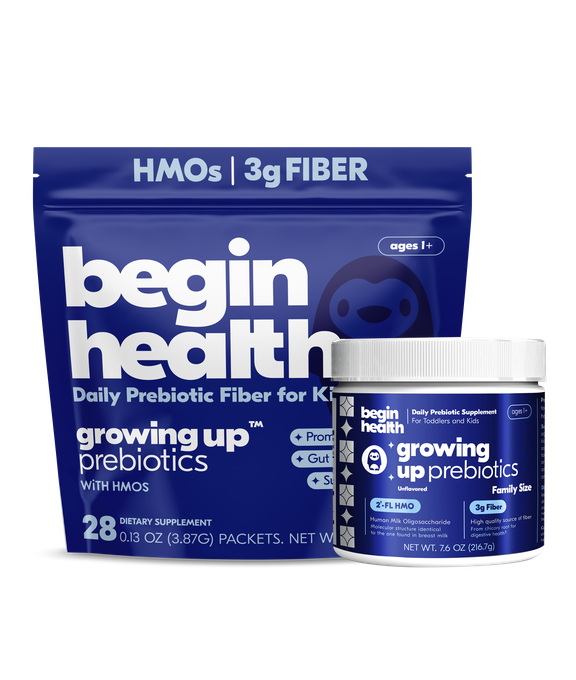
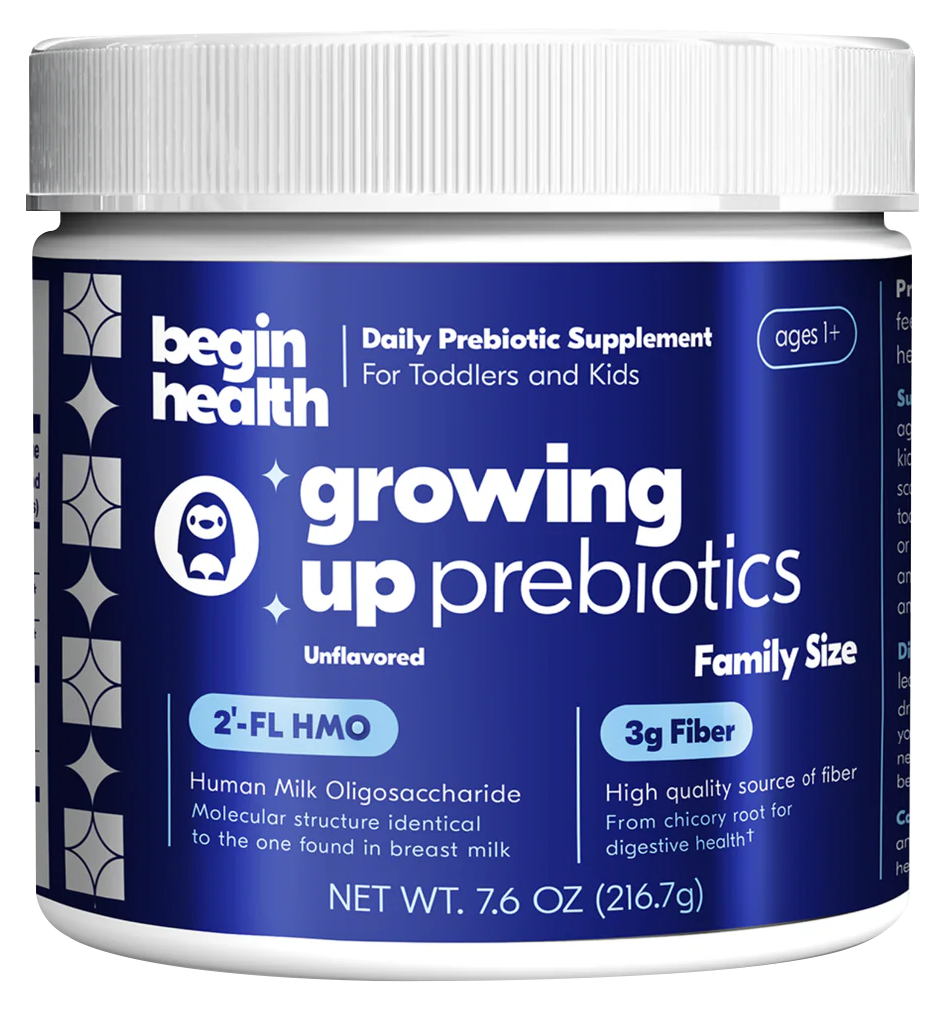
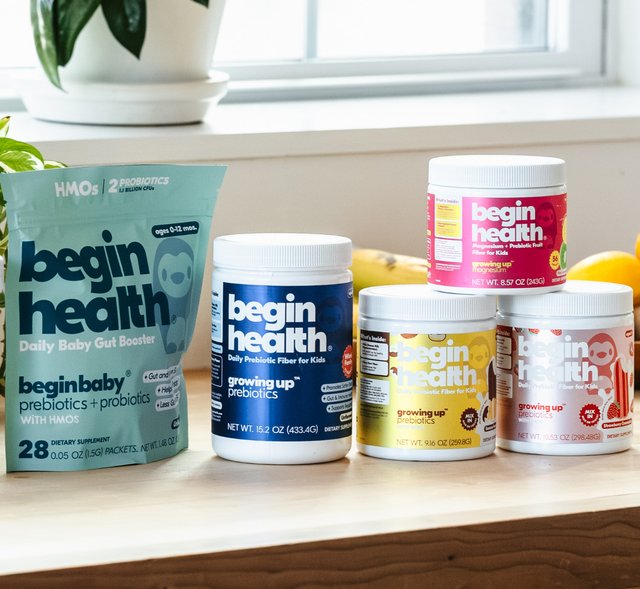
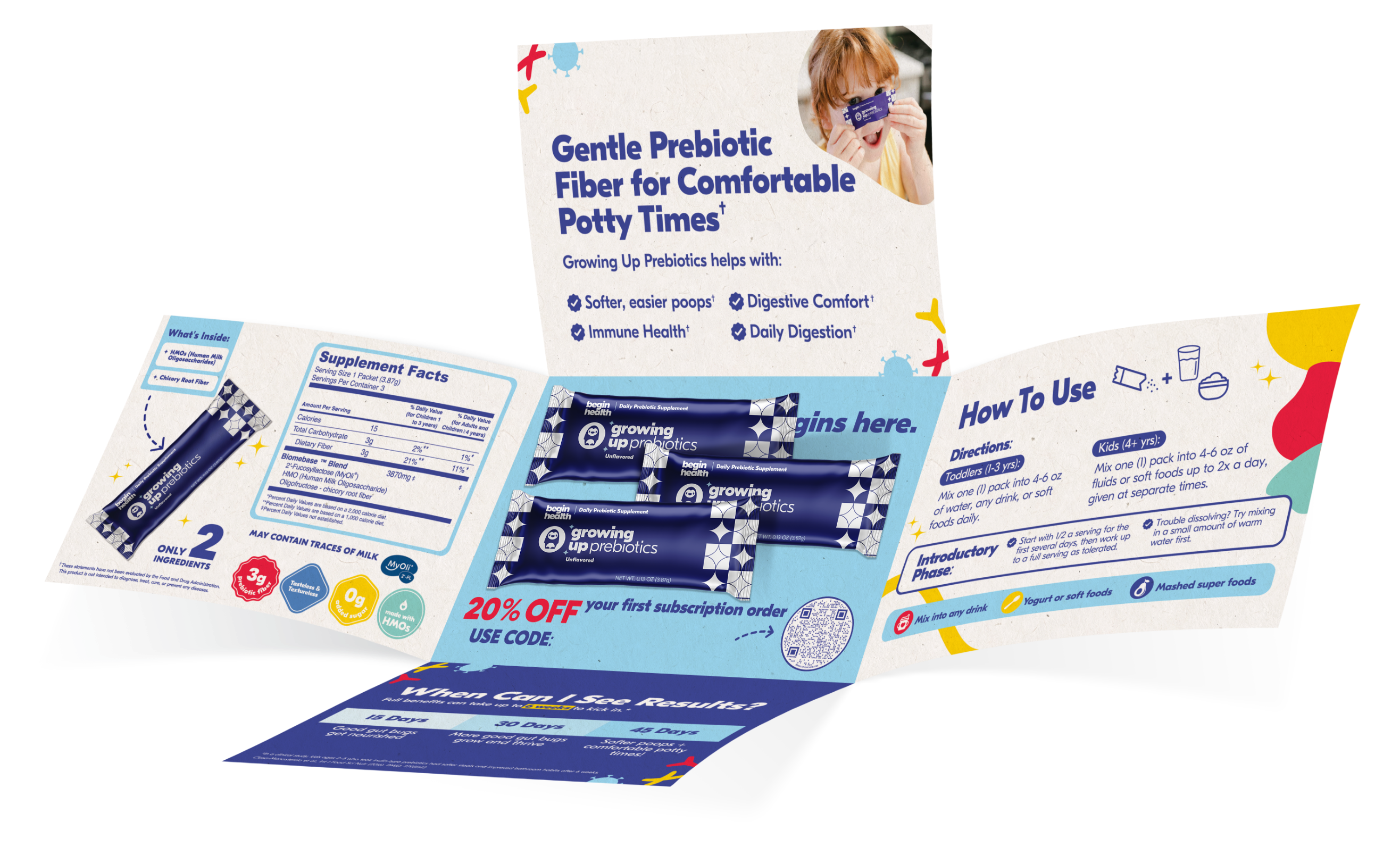
Growing Up Prebiotics combines two prebiotic ingredients: chicory root inulin, a soluble fiber derived from the chicory plant, and 2'-FL HMO, a human milk oligosaccharide naturally found in breast milk. Together, they support the growth of beneficial gut bacteria — particularly Bifidobacteria — that help keep digestion moving regularly and comfortably.
A randomized, double-blind, placebo-controlled trial by Closa-Monasterolo et al. — the first of its kind in toddlers ages two to five — found that daily chicory root inulin and oligofructose promoted softer, more regular stools over six weeks, with no significant side effects.
The Outcome
After starting Growing Up Prebiotics, this little girl's bowel habits changed completely.
"My little toddler girl is finally pooping every day. Normal poop, and no more crying. She will tell me calmly, 'mommy I have to poop,' and then she does."
For a family that had been tracking bowel movements in a log and watching their daughter cry through stomach pain for months, that quiet, calm sentence — mommy I have to poop — was everything.
"This product. I cannot even start to talk about it without actually tearing up a little."
What Made the Difference
A few things stand out in this case:
Consistency over time. Prebiotic fiber isn't a fast-acting laxative — it shifts the gut environment gradually. Research shows meaningful changes in stool consistency and frequency typically appear after four to six weeks of daily use. This family stayed with it even after exhausting other options, and the results followed.
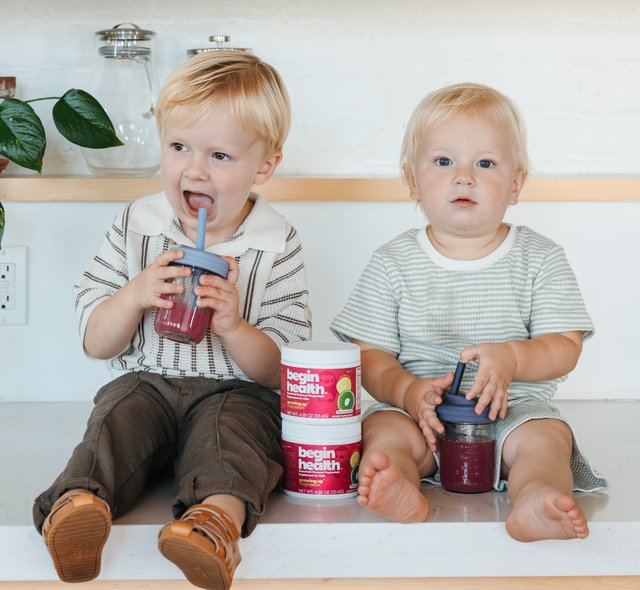
A product designed for toddlers. Growing Up Prebiotics is a tasteless, textureless powder that mixes into any drink — which matters enormously for a two-year-old who would notice anything unusual in her cup. Compliance is easy when the supplement disappears into their morning milk.
Targeting the root, not just the symptom. Laxatives can clear a blockage. Prebiotics can help build the gut environment that makes blockages less likely to happen in the first place — which is what breaks the withholding cycle for good.
For Parents in a Similar Situation
If your little one is in a withholding cycle — where the fear of pain has become part of the constipation itself — it's worth talking to their pediatrician about a two-phase approach: short-term support to clear things out, and a longer-term gut support routine to help keep things moving comfortably. Prebiotic fiber like Growing Up Prebiotics fits the second part of that equation well.
No supplement replaces a pediatrician's guidance, especially when constipation has been severe or prolonged. But for families who have tried the basics and are still struggling, consistent daily prebiotic support is one of the better-supported options in the research.

Author
Begin Nutrition Team


-
Buy Now
Join the
Happy Gut Club
Daily reads to help your little ones lead happier and healthier lives.