



 Login / Create Account












Is Milk Bad for Constipation? A Parent's Guide
share this article
You've been watching your kiddo struggle to poop, and now you're wondering if milk might be part of the problem. Someone may have mentioned it in passing, or maybe you just have a gut feeling. It's a valid question, and you're not overthinking it.
Constipation is a common challenge in toddlers, especially during growth spurts or picky eating phases. Diet plays a major role, and milk can be part of the equation, especially if your little one is drinking a lot of it. Let’s take a clear look at what’s really going on and what you can do to help.
-
Buy Now

Join the
Happy Gut Club
Daily reads to help your little ones lead happier and healthier lives.
Can milk cause constipation?
Yes, drinking too much milk can make constipation more likely.
Milk isn’t harmful in itself, but large amounts, especially if your kiddo isn't eating enough fiber, can slow things down. Cow’s milk is low in fiber and high in fat and protein, which can lead to firmer, harder-to-pass stool. If milk takes the place of fruits, veggies, and whole grains, constipation can show up fast.
Some kids also fill up on milk and don’t feel hungry for meals. That means they miss out on the fiber and water their bodies need to stay regular. In some cases, a milk sensitivity or intolerance can play a role too, though that's less common. For most kids, it's more about balance than anything else.
How much milk is too much?
More than 16 to 20 ounces of milk a day can lead to problems with digestion.
Pediatric guidelines recommend that toddlers over 12 months stick to around 2 cups (16 ounces) of milk each day. That amount supports growth without interfering with appetite for solid foods. Once milk intake climbs past that point, it often displaces important nutrients, especially fiber, and digestion can get sluggish.
If your kiddo is drinking milk all day long or asking for it at every snack, try limiting it to mealtimes. Offer water between meals instead. This simple change helps protect appetite and encourages a better mix of foods.
Is one type of milk more constipating than another?
Whole cow’s milk is most often linked to constipation, but other types of milk can also contribute depending on the situation.
Whole milk, with its higher fat content, may slow digestion more than lower-fat or plant-based milks. Some plant-based options, like oat or almond milk, may contain added fiber, but not all are nutrient-dense enough for toddlers. Rice milk, for example, tends to be low in both fiber and protein.
Switching to another milk without a clear plan can create more problems than it solves. If you’re thinking about trying something different, talk with your pediatrician to make sure your kiddo still gets the nutrients they need.
Should I take milk out of my kiddo’s diet?
Not necessarily. Milk provides key nutrients and can be part of a healthy routine when served in the right amounts.
Unless your pediatrician suspects a true milk allergy or intolerance, there’s no need to cut milk out completely. The goal is to support balance. If your little one is constipated and drinking more than 2 cups of milk per day, try easing back and increasing fiber-rich foods instead.
Many families see improvement within a few days of adjusting milk intake and focusing on meals with fruits, vegetables, and whole grains. It’s rarely about removing milk altogether—it’s about making space for the foods that help things move.
What can help balance out milk’s effects?
Fiber, water, movement, and prebiotics all play a role in keeping poops soft and regular.
Foods that help include:
-
Pears, apples, and berries (with skin when possible)
-
Sweet potatoes, peas, carrots
-
Oats and whole grain bread or crackers
-
Water between meals and snacks
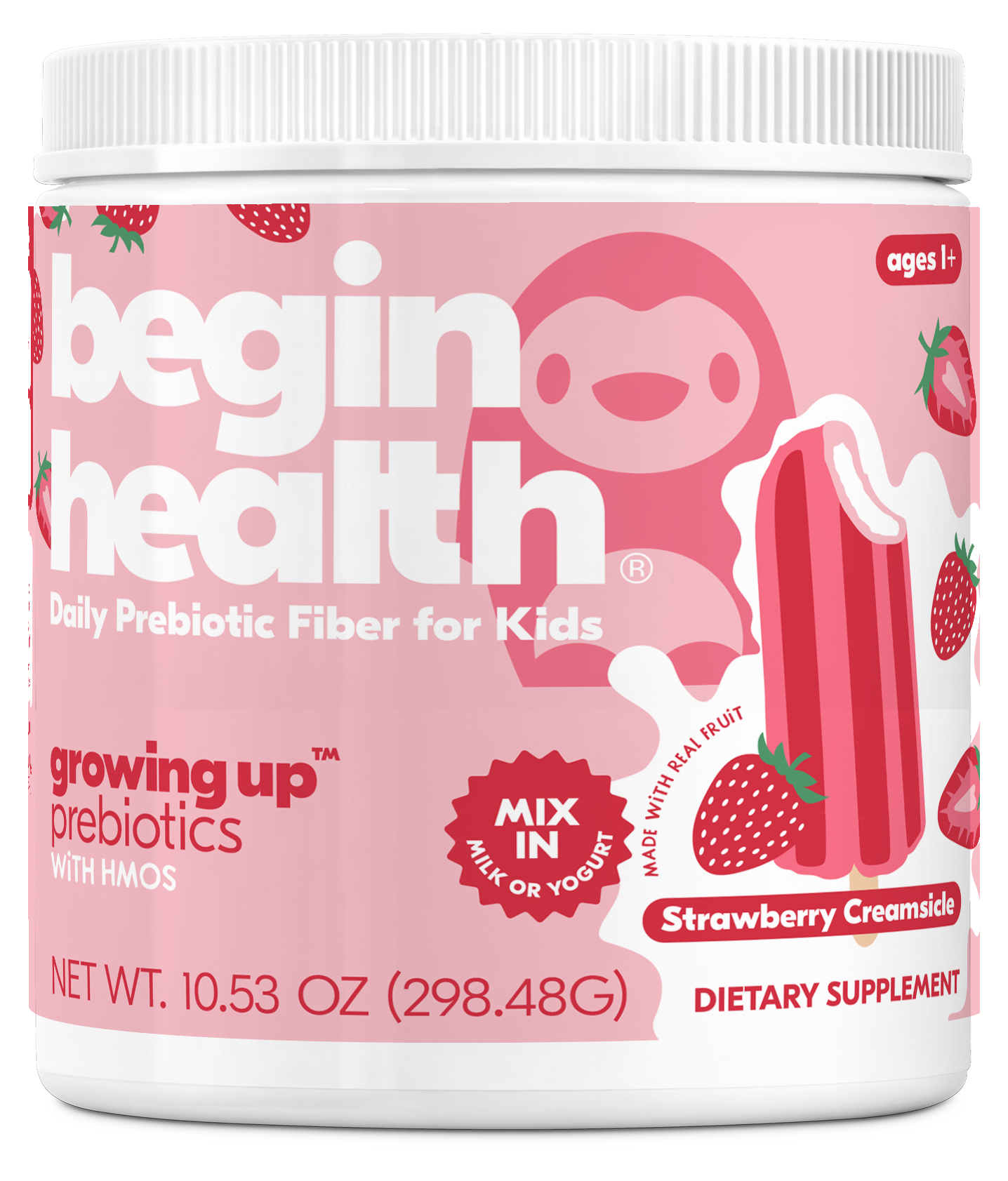
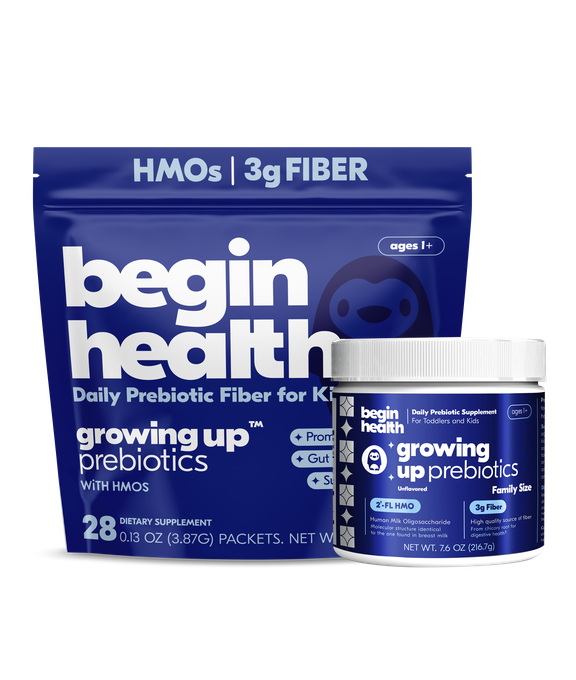
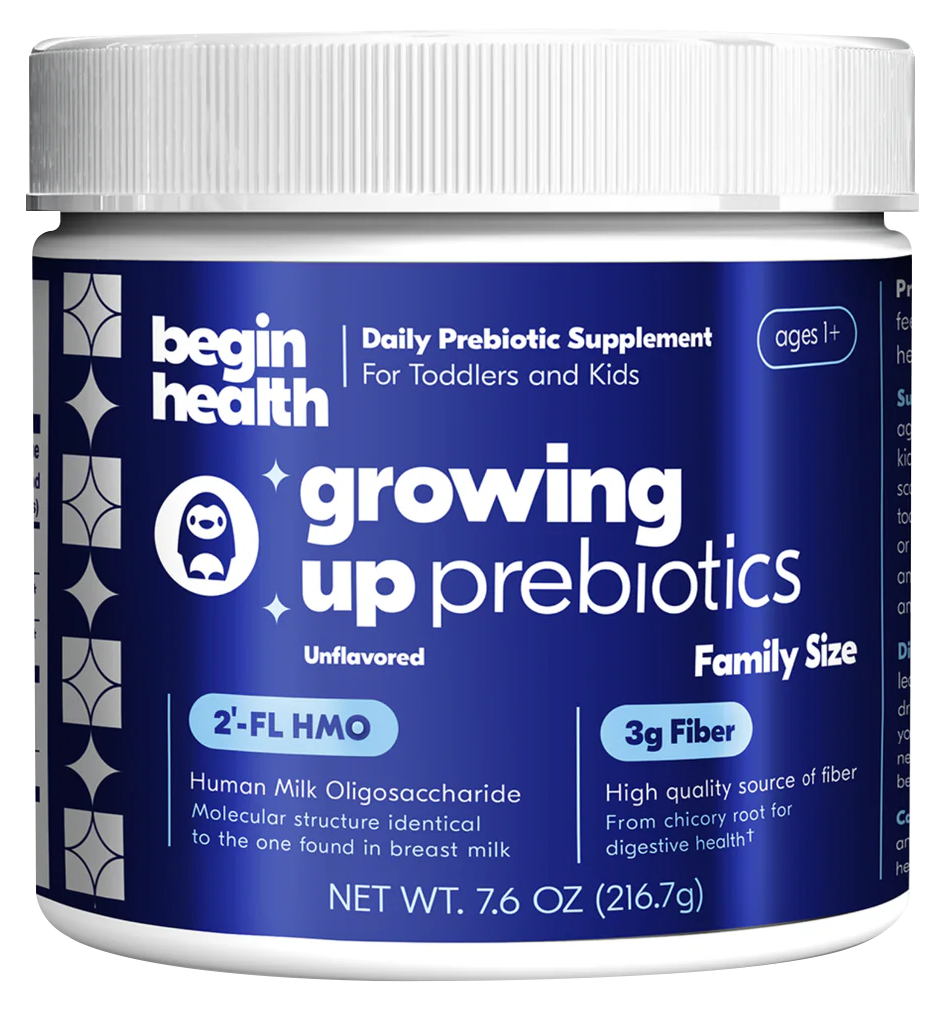
You can also support digestive health with prebiotics. These are special plant fibers that feed the good bacteria in your kiddo’s gut.
-
Buy Now
Join the
Happy Gut Club
Daily reads to help your little ones lead happier and healthier lives.
Final Takeaway
-
Too much milk can lead to constipation, especially when fiber is low
-
Keep milk to about 16 to 20 ounces per day and offer water between meals
-
Focus on fiber-rich foods to help balance digestion
-
Prebiotics may offer extra support for regular poops
-
When in doubt, your pediatrician can help guide next steps
This is a common worry, and it's usually fixable with a few simple shifts. You’re paying attention, and that matters more than anything.
FAQs
Can whole milk cause constipation?
Yes, especially if your kid is drinking more than 2 cups a day and not getting enough fiber.
Should I switch to a plant-based milk?
Maybe, but not all are appropriate for toddlers. Always check with your pediatrician first.
Is yogurt better than milk?
Yogurt has some benefits, especially if it contains live probiotics, but it can still be constipating if the rest of the diet is low in fiber.
Does milk intolerance cause constipation?
In rare cases, yes. More often it causes loose stools, but some kids may get constipated instead.
Can prebiotics help if my kid is drinking a lot of milk?
Yes, prebiotics support healthy digestion and regular bowel movements over time.
Related Articles

Author
Begin Nutrition Team


-
Buy Now
Join the
Happy Gut Club
Daily reads to help your little ones lead happier and healthier lives.