


 Login / Create Account








7 Best Juices to Try for Toddler Constipation
share this article
If your toddler hasn’t pooped in a few days, it can take over your whole brain. You’re scanning meals, watching their belly, and wondering what to try next—especially if they’re uncomfortable or starting to withhold. Many parents turn to juice because it feels simple, familiar, and easier than getting a picky kiddo to eat a plate of prunes.
Juice can be a useful tool for mild constipation, especially when you use the right kind, the right amount, and pair it with a few supportive habits. Let’s walk through which juices tend to help most, why they work, how to serve them safely, and what to do if juice isn’t enough.
Can juice help toddler constipation?
Certain juices can support softer, easier-to-pass stools for some toddlers.
The juices that help most tend to contain natural compounds that pull water into the gut or support stool softness. Some also provide a bit of gentle sugar that can encourage the colon to move things along. Many parents see the best results when juice is used as a short-term helper while they work on the bigger picture: fluids, fiber, movement, and calm potty routines.
Juice is also easier for some toddlers than whole fruit. If your kiddo refuses pears but happily drinks pear juice, that can be a practical bridge. The goal is comfort and consistency, not perfection.
What makes some juices work better than others?
The most helpful juices for constipation are usually higher in sorbitol and natural fruit sugars.
Sorbitol is a naturally occurring sugar alcohol found in certain fruits. For some toddlers, it supports softer stool by drawing water into the intestines. Prunes and pears are the classic examples, which is why prune juice and pear juice show up in so many constipation conversations.
Some juices help mainly by increasing overall fluid intake. If a toddler has been a little under-hydrated, simply getting more liquids in can make stools easier to pass. That’s why even watered-down apple juice sometimes helps.
What are the best juices for toddler constipation?
Prune, pear, and apple juice are usually the first juices parents try because they’re the most consistently helpful.
Here are seven options worth considering, with practical notes on how to use each one.
1) Prune juice
Prune juice is the most well-known constipation juice for a reason. It tends to be effective for many toddlers, and you often don’t need much. The taste can be strong, so mixing it with water or blending it into a smoothie can make it easier to accept.
Prune juice is often most useful when stools are hard, pellet-like, or your toddler is straining. If your kiddo is withholding because pooping hurts, the priority is making the next poop softer so the fear cycle can start to unwind.
2) Pear juice
Pear juice is a gentler-tasting option that many toddlers accept more easily than prune juice. It also tends to be one of the better fruit juices for constipation support. If your toddler is picky or refuses prune juice, pear juice is often the next best place to go.
Pear juice can be especially helpful when constipation is mild to moderate and you’re trying to prevent a few “skipped days” from turning into a bigger issue.
3) Apple juice
Apple juice can help some toddlers, especially when it’s diluted and used in small amounts. It’s commonly used because it’s easy to find and most kids like it. It may be less reliable than prune or pear, but it can still be a helpful nudge, particularly when the main issue is low fluid intake.
If your toddler is already drinking very little throughout the day, apple juice diluted with water can be a realistic way to increase fluids while you work on hydration habits.
4) White grape juice
White grape juice is sometimes used when a toddler refuses prune or pear. It doesn’t have the same reputation as prune juice, but some parents find it helpful as a “liquid motivator,” especially when it increases overall fluid intake.
This can be a useful option for toddlers who will drink grape juice but won’t touch anything else. If it helps them hydrate, it can still be part of the plan.
5) Apricot nectar or apricot juice
Apricot is another fruit that some families use for constipation support. It has a richer flavor and is often sold as nectar, which can be thicker. Many parents dilute it with water to make it easier to drink.
This can be a good backup option if you’ve tried prune and pear and your kiddo is resisting, or if you want variety during a short-term constipation phase.
6) Peach nectar or peach juice
Peach nectar is a popular “gentle constipation” juice in many households because it tastes good and is often easier to offer than prunes. It’s usually thicker, so diluting is often helpful.
Peach can also be a useful choice when you’re trying to keep things moving while adding more fiber-rich foods in the background.
7) A prune-pear blend
Some toddlers accept blended juices more readily than a single strong flavor. A prune-pear blend can give you the constipation support of prunes with the easier taste of pear. You’ll see these blends sold commercially, or you can blend small amounts at home if you’re doing smoothies.
This approach can be especially useful for toddlers who are sensitive to strong tastes or textures.
How much juice should I give my toddler for constipation?
Start small and use juice as a short-term support rather than an all-day drink.
In practice, many parents start with a few ounces per day, often diluted with water, and see how their toddler responds. The goal is a soft, comfortable poop—not diarrhea.
A few helpful principles that keep things steady:
-
Offer juice earlier in the day when possible, so you’re not dealing with urgent poops at bedtime.
-
Dilute stronger juices (like prune) for taste and hydration support.
-
If your toddler is new to juice, introduce slowly to avoid tummy upset.
If you’re unsure what’s appropriate for your toddler’s age and situation, your pediatrician can give guidance based on their overall diet and stool pattern.
Should I dilute juice for toddler constipation?
Diluting juice often makes it easier to drink and supports hydration at the same time.
Many toddlers drink more when juice is mixed with water, which is a win if low fluid intake is part of the constipation picture. Dilution can also reduce the chance of getting too much sweetness at once.
A simple approach is to start with a half-and-half mix (half juice, half water) and adjust based on your toddler’s preference.
What juices should I avoid for constipation?
Juices that are mostly added sugar or very low in fruit content tend to be less helpful.
“Fruit drinks,” juice cocktails, and powders often don’t provide the same benefits as 100% juice. They may also add extra sweetness without adding anything that supports stool softness.
Very acidic juices, like orange juice, can irritate some toddlers’ bellies and don’t usually help constipation directly. If your toddler loves orange juice, it’s fine as part of a balanced diet, but it typically isn’t the go-to for constipation support.
What else should I do alongside juice?
Juice works best when it’s paired with fiber, fluids, movement, and a calm potty routine.
If juice is the only lever you pull, constipation often returns as soon as you stop. Supporting digestion from multiple angles helps make the result last.
A few parent-tested supports:
-
Offer fiber-rich foods your toddler will actually eat (pears, berries, oatmeal, beans, peas).
-
Keep water available and offer it regularly, especially after active play.
-
Encourage movement—running, walking, dancing—anything that gets the body moving.
-
Try a gentle potty sit after meals with no pressure. A short, calm routine can help the body learn the pattern.
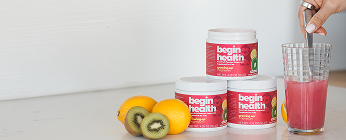
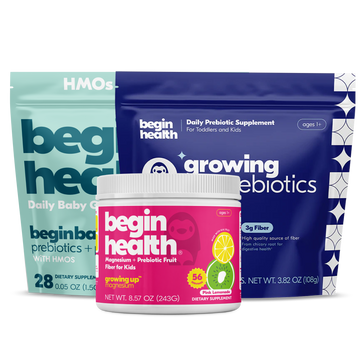
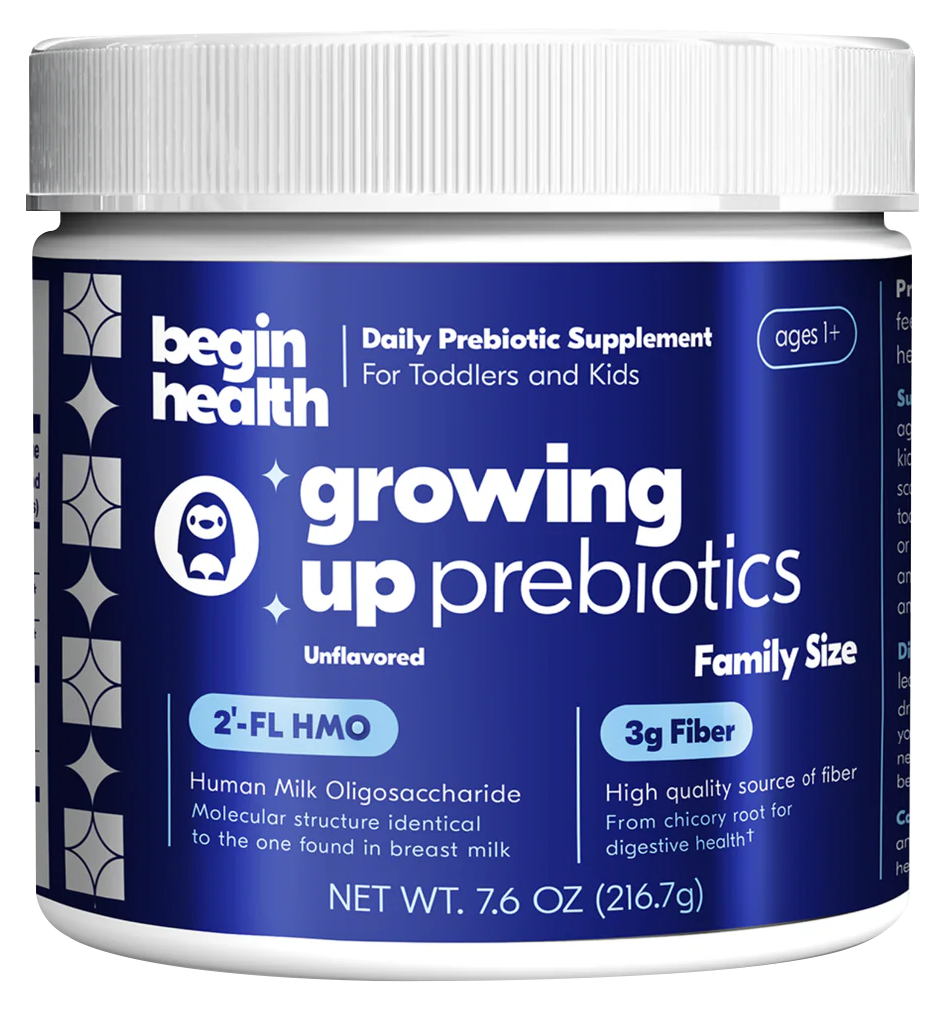
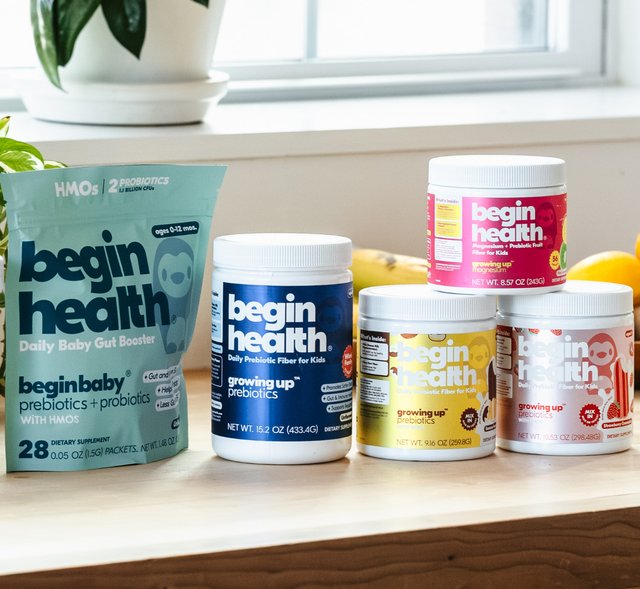
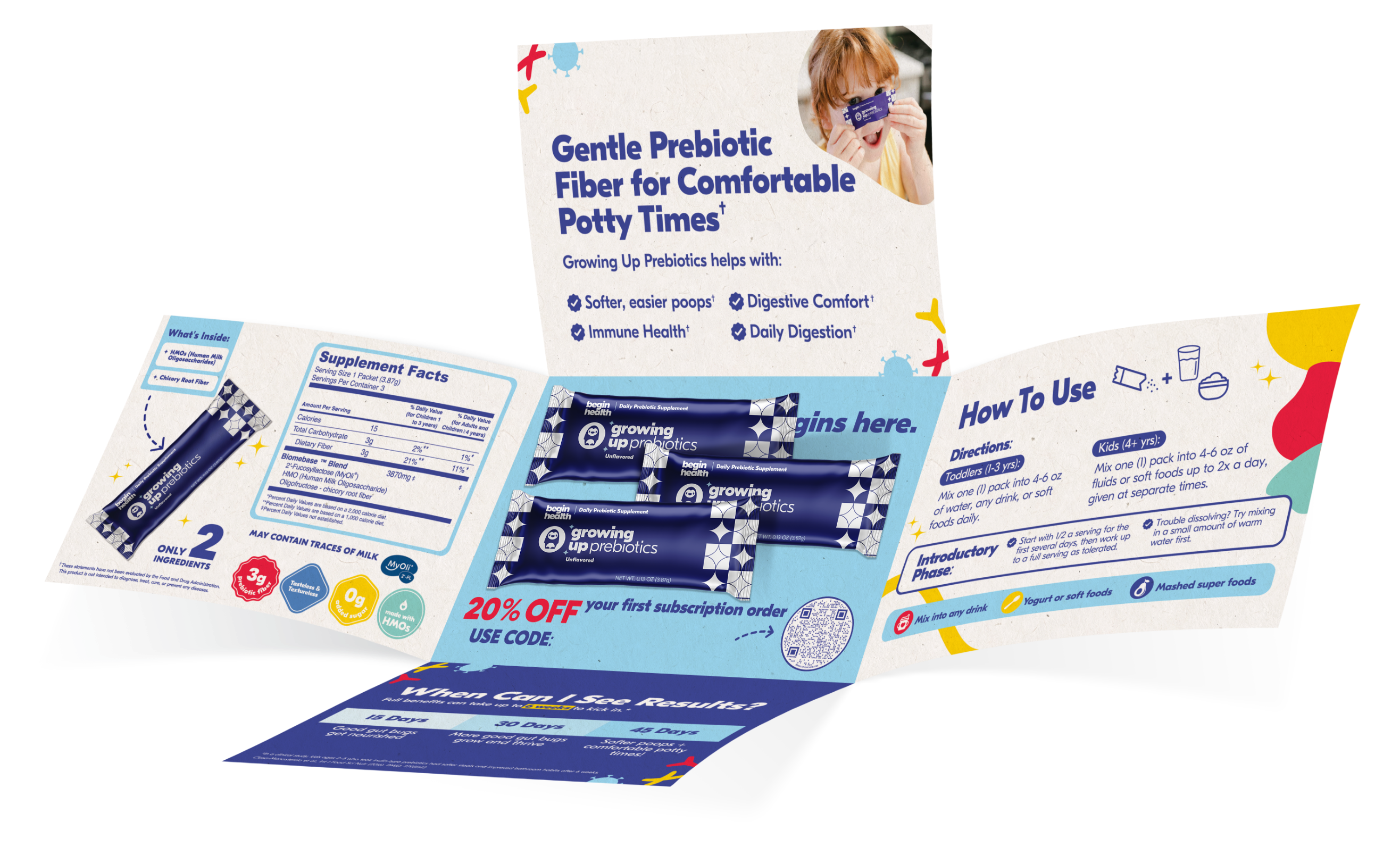
Some families also find it helpful to add toddler-safe prebiotics when picky eating makes fiber inconsistent. Begin Health’s prebiotic products are designed to be easy to mix into water or food without changing taste, which can support regularity over time without turning meals into a battle.
When should I call the pediatrician?
Call if constipation is persistent, painful, or affecting your toddler’s comfort and behavior.
It’s also worth calling if your toddler is withholding, has significant belly swelling, or seems truly unwell. You don’t need to wait until you’re “sure” it’s serious. A quick check-in can give you a plan and peace of mind.
Some signs parents often use as a cue to reach out:
-
No poop for several days with discomfort
-
Hard, painful stools
-
Blood on the stool or toilet paper
-
Vomiting, fever, or worsening belly pain
-
Strong fear around pooping or consistent withholding
The takeaway
Juice can be a helpful short-term tool for toddler constipation, especially prune juice and pear juice. Start small, consider diluting, and use it alongside fiber-rich foods, hydration, movement, and calm potty habits. If constipation is painful, persistent, or tied to withholding, loop in your pediatrician so your toddler can get comfortable again.
FAQs
Which juice works fastest for toddler constipation?
Prune juice is the most commonly used when parents want a stronger option, and pear juice is a close second.
How long does it take for juice to help a toddler poop?
Some toddlers poop within hours, others need a day or two. Consistency and hydration matter.
Can I give juice every day to prevent constipation?
Some families use small amounts occasionally, but prevention usually works better with daily fiber, fluids, and routine.
What if juice causes diarrhea?
That’s a sign to reduce the amount or stop for now and focus on water and fiber.
What if my toddler refuses prune juice?
Pear juice, apple juice (diluted), or a prune-pear blend are often easier for picky toddlers.
Related Articles

Author
Begin Nutrition Team


-
Buy Now

Join the
Happy Gut Club
Daily reads to help your little ones lead happier and healthier lives.