


 Login / Create Account







Why Constipation Can Stall Potty Training (and How to Help)
share this article
If potty learning feels harder than you expected, or like it’s completely stalled, you’re not alone. Many parents start this phase feeling hopeful, only to run into tears, resistance, or a kiddo who suddenly seems afraid of the toilet. It’s exhausting, and it can make you question whether you started too soon or missed some secret step.
Very often, constipation is the quiet reason potty learning feels impossible. When pooping is uncomfortable or unpredictable, sitting on the potty doesn’t feel safe to a little one. Before focusing on potty charts, schedules, or rewards, it’s worth slowing down and making sure your kid’s body feels comfortable first. That foundation changes everything.
How do I know if my kid is constipated?
Constipation is about comfort and completeness, not just how often your kid poops.
Most people think constipation only means skipping days or passing very hard stools. That does count, but it’s not the full picture, especially during potty learning. Some toddlers poop every day and are still constipated.
This often happens when a kid doesn’t fully empty their bowels. They may poop a little, stop early, and then feel backed up again later. From the outside, it can look like frequent bowel movements, which is confusing for parents. Inside, stool is still sitting in the rectum, making future poops uncomfortable.
Many clinicians look for one soft, complete bowel movement per day as a helpful goal. On stool charts, this usually looks like a 3 or 4: formed, soft, and easy to pass. When stools are consistently soft and complete, sitting on the potty feels much less scary.
What other signs suggest constipation during potty learning?
Constipation often shows up through behavior, not just poop patterns.
During potty learning, kids become more aware of what their bodies are doing. That awareness can make constipation more visible.
Some signs parents commonly notice include:
-
Fewer than three bowel movements per week
-
Very small pebble-like stools or very large stools
-
Hard stools that take effort to pass
-
Complaints of belly pain or pressure
-
Sudden fear of the potty or refusal to sit
-
Hesitation, distress, or hiding when the urge to poop shows up
A single painful poop can be enough to start a holding cycle. A kid remembers the discomfort and tries to avoid it next time. Holding makes stool harder, which makes the next poop even more uncomfortable. This cycle is one of the biggest reasons potty learning gets stuck.
Why does constipation make potty learning so difficult?
Potty learning depends on relaxation, trust, and body awareness, and constipation disrupts all three.
When pooping hurts, the body tenses up automatically. A kid might not have the words to explain what’s wrong, but their nervous system knows something doesn’t feel safe. Sitting on the potty can trigger fear or resistance even if they understand what you’re asking.
Constipation can also blur body signals. When stool is backed up, it’s harder for a kiddo to tell when they truly need to go. That leads to accidents, partial poops, or frustration for everyone involved. Until stooling feels comfortable and predictable, potty learning often feels like pushing uphill.
What can I do to help resolve constipation before potty training?
Supporting comfortable, regular poops before potty learning makes the entire process smoother.
If you’re concerned about constipation, checking in with your pediatrician is always reasonable. At home, there are also gentle, practical steps many families use to support digestion.
Fiber is one key piece. Fruits like pears, apples with skin, and prunes, along with vegetables and whole grains, help stools stay soft. The American Heart Association and American Academy of Pediatrics suggest about 19 grams of fiber per day for toddlers ages 1–3 and around 25 grams per day for ages 4–6.
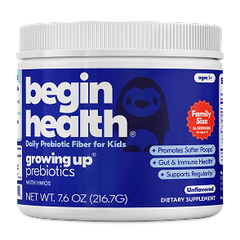
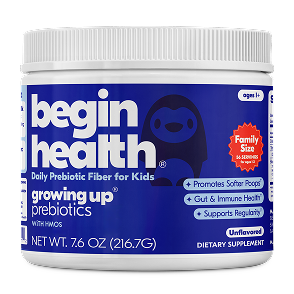
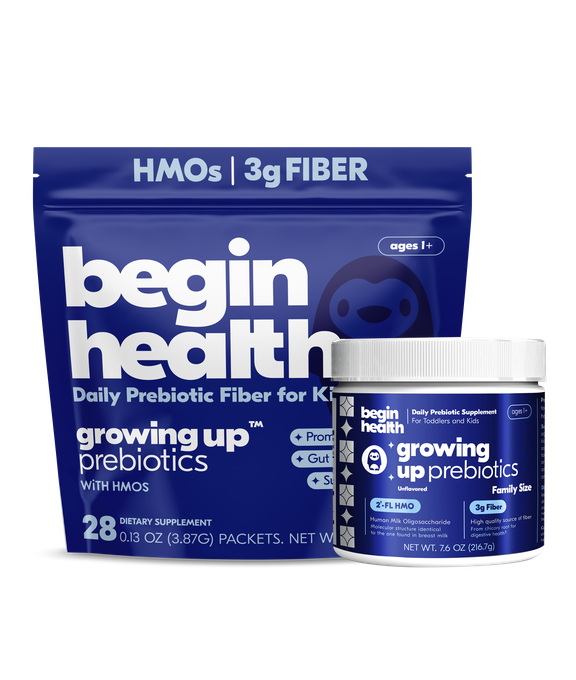
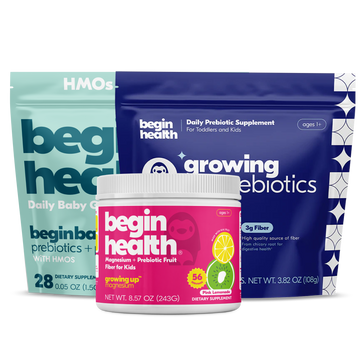
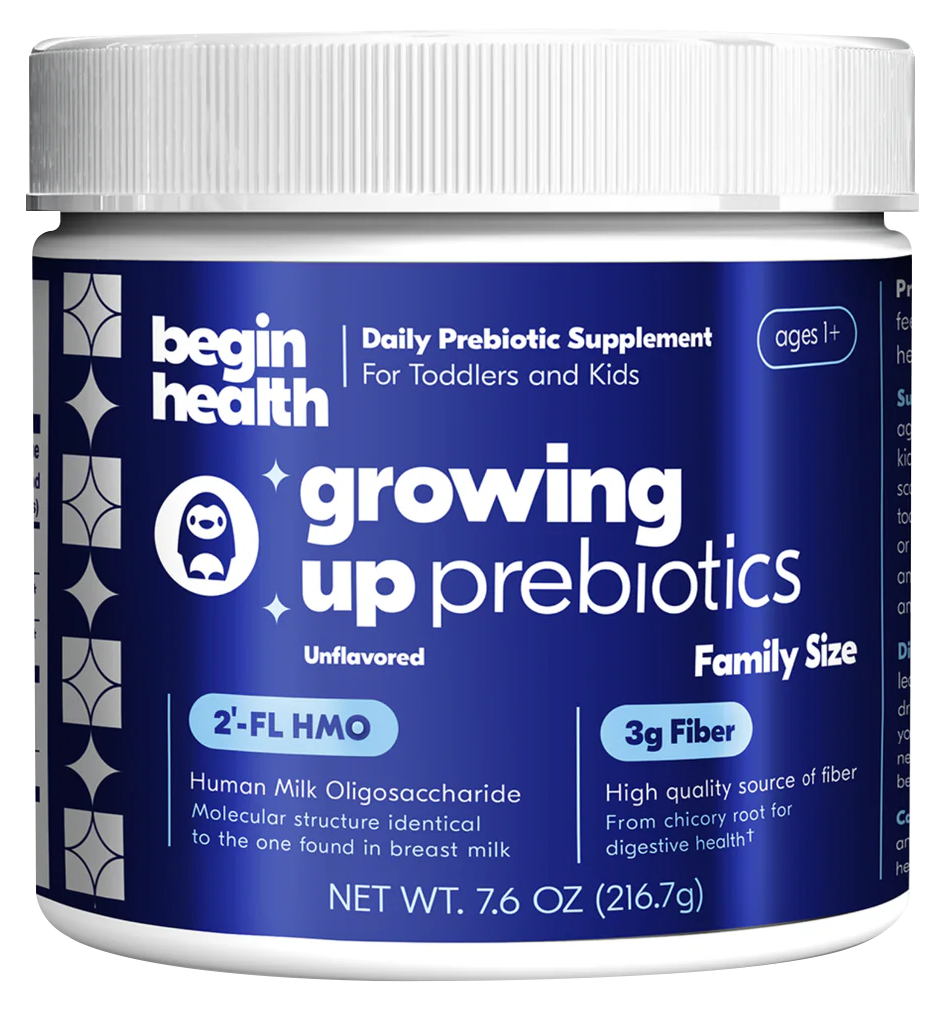
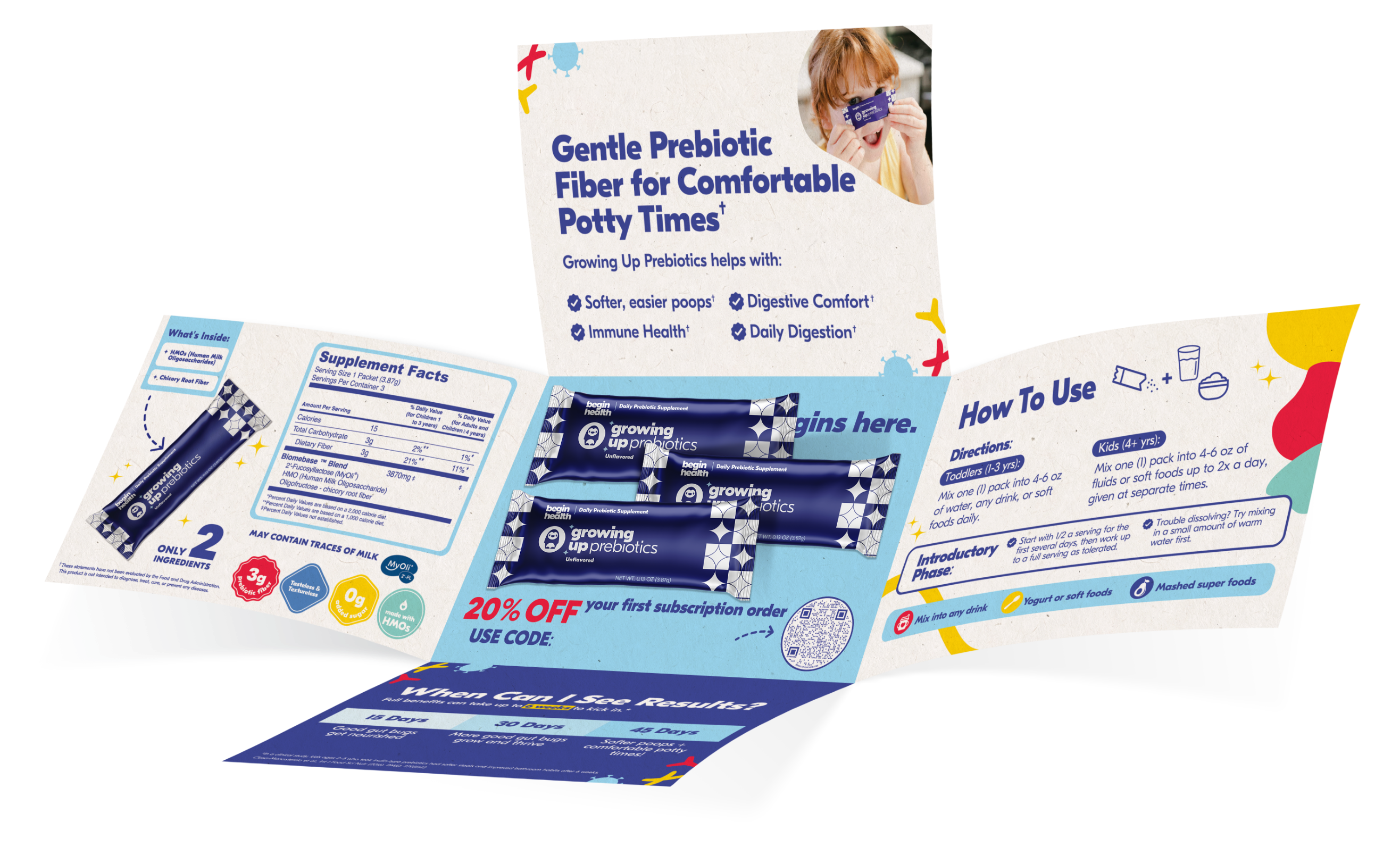
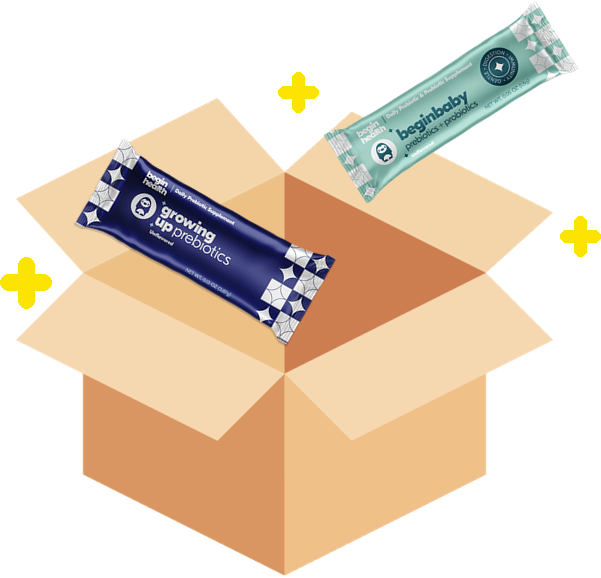
For families dealing with picky eating, keeping fiber steady can be hard. This is where toddler-safe prebiotics can be helpful. Prebiotics are a type of fiber that feed beneficial gut bacteria and support stool softness. Begin Health’s Growing Up Prebiotics provide 3 grams of fiber per serving and are tasteless and textureless, which can make them easier to add without turning meals into a battle.
Hydration matters just as much. The AAP recommends that kids ages 2–5 get about 40 ounces of water per day. Even small increases in fluid intake can make stools easier to pass.
Movement also supports digestion. Active play, like walking, climbing, dancing, free play, helps stimulate the gut and encourages regular bowel habits.
Can constipation start during potty training?
Constipation can definitely start or worsen during the transition to potty learning.
Research suggests that roughly 25% of kids develop stool toileting refusal during potty training, often linked to constipation. The shift from diapers to the toilet introduces new sensations, expectations, and a loss of familiarity.
For some kiddos, pooping in a diaper feels private and safe. The potty feels exposed, noisy, or unfamiliar. That discomfort can lead to withholding, which quickly turns into constipation and slows progress.
When this happens, the most helpful response is usually to slow down rather than push harder. Shifting the focus from “using the potty” to “feeling comfortable and safe” helps break the cycle.
How can I make pooping on the potty feel easier?
Small changes to setup and routine can dramatically improve comfort and confidence.
Positioning matters. Using a footstool so your kid’s knees are higher than their hips creates a natural squatting position, which helps relax the pelvic floor and makes pooping easier.
Stability matters too. A seat insert can help your kiddo feel secure and reduce fear of falling in. Physical safety lowers tension, which supports bowel movements.
Emotional safety matters just as much. Calm encouragement, neutral responses to accidents, and specific praise for trying all help build confidence. Simple reinforcement systems—stickers, trackers, or games—can keep things positive without pressure. Potty trackers that focus on healthy poops rather than perfection can be especially motivating.
How does gut health support potty learning?
Comfortable digestion supports body awareness, confidence, and consistency.
When stools are soft and predictable, kids are more willing to sit, wait, and listen to their body. Supporting gut health through fiber, fluids, movement, and routine often improves constipation and potty learning together.
Some families find that adding prebiotics during potty learning helps support softer stools, especially when diet varies day to day. Begin Health’s Daily Growing Up Prebiotics are designed to be gentle and easy to mix into water or food without changing taste, which can be helpful during this already big transition.
When should I pause potty training and get extra help?
Pausing is reasonable when potty learning becomes a source of fear or ongoing discomfort.
If your kiddo is withholding stool, panicking at the potty, or experiencing persistent pain, stepping back protects confidence and health. You’re not “giving up”—you’re resetting.
If constipation persists despite supportive steps, or if you notice blood, severe pain, vomiting, or ongoing distress, it’s time to involve your pediatrician. Early support prevents longer-term struggles.
The takeaway
Potty learning is much easier when your kid’s body feels comfortable. Constipation—whether obvious or subtle—can quietly derail the process. By supporting soft, complete bowel movements through fiber, hydration, movement, and gentle routines, you create the conditions your little one needs to feel safe and confident on the potty.
FAQs
Can my kid be constipated even if they poop every day?
Yes. Incomplete or uncomfortable poops can still signal constipation.
Should I potty train if my kid is constipated?
It’s usually better to address constipation first so potty learning feels safer.
How long does it take to improve constipation?
Some kids improve within days, others need consistent support over weeks.
Can potty training cause stool withholding?
Yes. Fear or pressure around the potty commonly leads to holding.
When should I talk to a pediatrician?
If constipation is persistent, painful, or affecting daily life, check in.
Related Articles

Author
Begin Nutrition Team


-
Buy Now

Join the
Happy Gut Club
Daily reads to help your little ones lead happier and healthier lives.