




 Login / Create Account














Signs Your Toddler Isn’t Getting Enough Fiber
share this article
You’re looking at your kiddo’s plate and thinking: Something feels off. Maybe poops are a struggle, a picky kiddo is making mealtime tough, or your little one just doesn’t seem as comfortable as they used to be. When fiber comes up, it can sound abstract or overly “nutrition-y,” but the effects of too little fiber tend to show up in very real, everyday ways.
This article will help you spot common signs of a low-fiber toddler diet, understand why they happen, and figure out what actually helps, without turning food into a power struggle.
What does a low fiber diet look like in toddlers?
A low fiber diet often shows up as a pattern of mostly refined, low-variety foods eaten day after day.
Many toddlers naturally gravitate toward foods like white bread, crackers, cheese, yogurt, and simple carbs. None of these foods are “bad,” but when they crowd out fruits, vegetables, beans, and whole grains, fiber intake can quietly drop. This often happens during picky phases, growth spurts, or busy seasons when meals default to what’s easiest.
Fiber works behind the scenes to support digestion and stool softness, so when it’s missing, the body tends to let you know—just not always right away.
What are the most common signs of low fiber in toddlers?
Constipation or hard, infrequent poops are the most common signs, but they aren’t the only ones.
Many parents first notice changes in the bathroom. Poops may become firm, dry, painful, or irregular. Some toddlers start withholding because pooping hurts, which can create a frustrating cycle. Beyond poop, low fiber can also show up as frequent bloating, gassiness, or a belly that seems uncomfortable by the end of the day.
You might also notice that your kiddo fills up quickly on low-fiber foods but still seems unsatisfied, or that meals lack variety and leaning into new foods feels harder than expected. These signs don’t mean something is “wrong”—they’re signals that the gut could use more support.
Can low fiber affect mood or behavior?
Digestive discomfort can spill over into mood, energy, and behavior in subtle ways.
When a toddler is constipated or uncomfortable, they may be crankier, less patient, or more resistant to meals and potty time. It’s not that fiber directly controls mood—it’s that discomfort makes everything harder. A kiddo who feels backed up may avoid sitting on the potty, eat less, or seem unsettled for reasons that aren’t obvious at first glance.
This is why fiber isn’t just about digestion. When digestion feels smoother, kids often seem more at ease overall.
How do I know if fiber is the issue or something else?
Patterns matter more than any single symptom.
An occasional hard poop or off day happens to every toddler. Low fiber is more likely when symptoms repeat, especially alongside a diet that’s low in fruits, veggies, or whole foods. If constipation keeps coming back, poops are consistently hard, or your little one seems uncomfortable most days, fiber intake is a reasonable place to look.
That said, if symptoms are severe, worsening, or paired with things like vomiting, poor growth, or ongoing pain, it’s important to talk with your pediatrician to rule out other causes.
What’s a gentle way to support fiber intake?
Small, steady changes work better than big food battles.
Fiber doesn’t have to come from salads and bran cereal. Fruits like pears, berries, and apples, vegetables mixed into familiar meals, beans blended into soups, or whole-grain swaps can all help. The goal isn’t perfection - it’s gradual exposure and consistency.
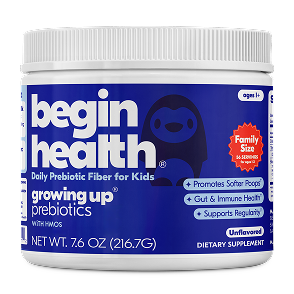
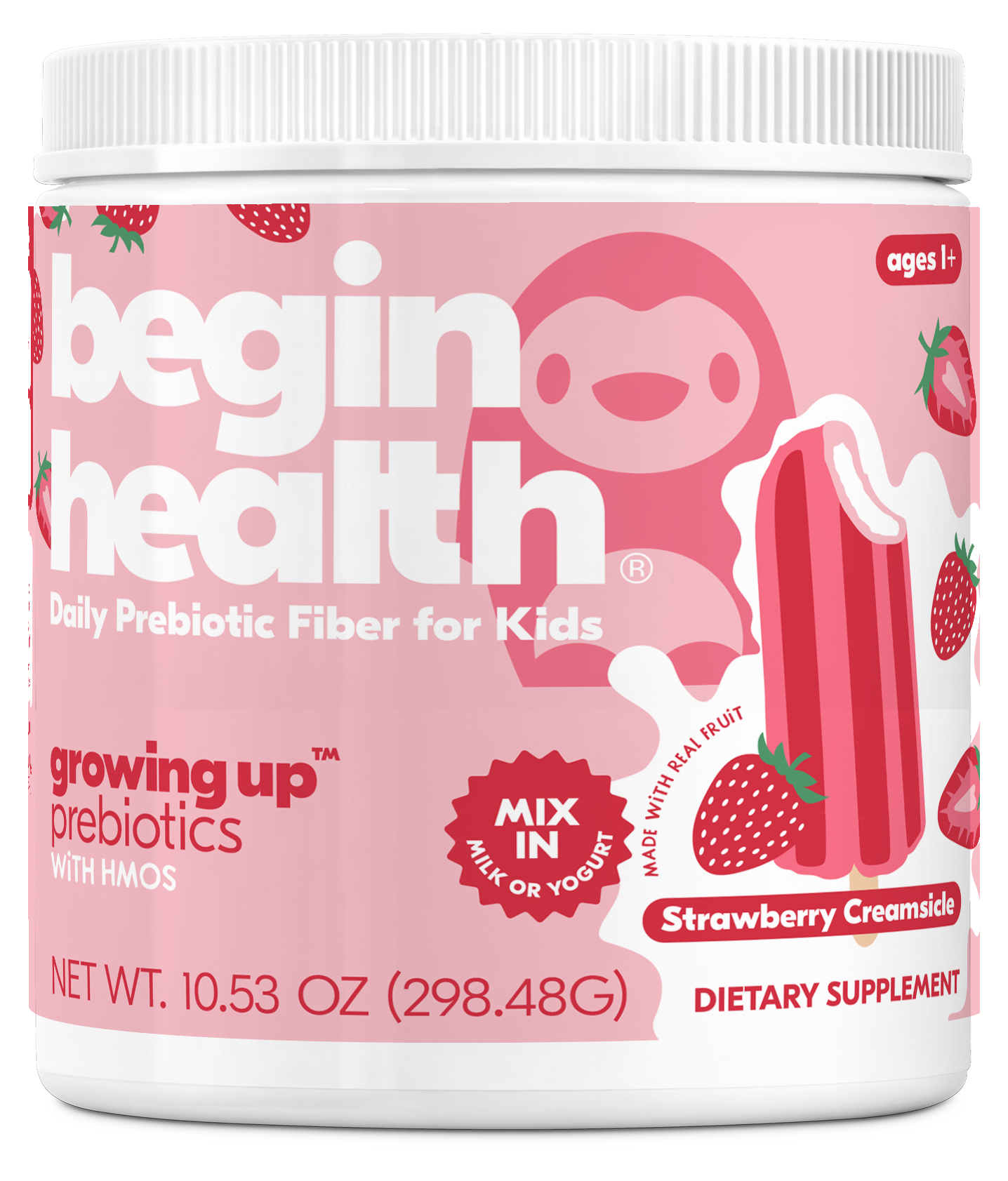
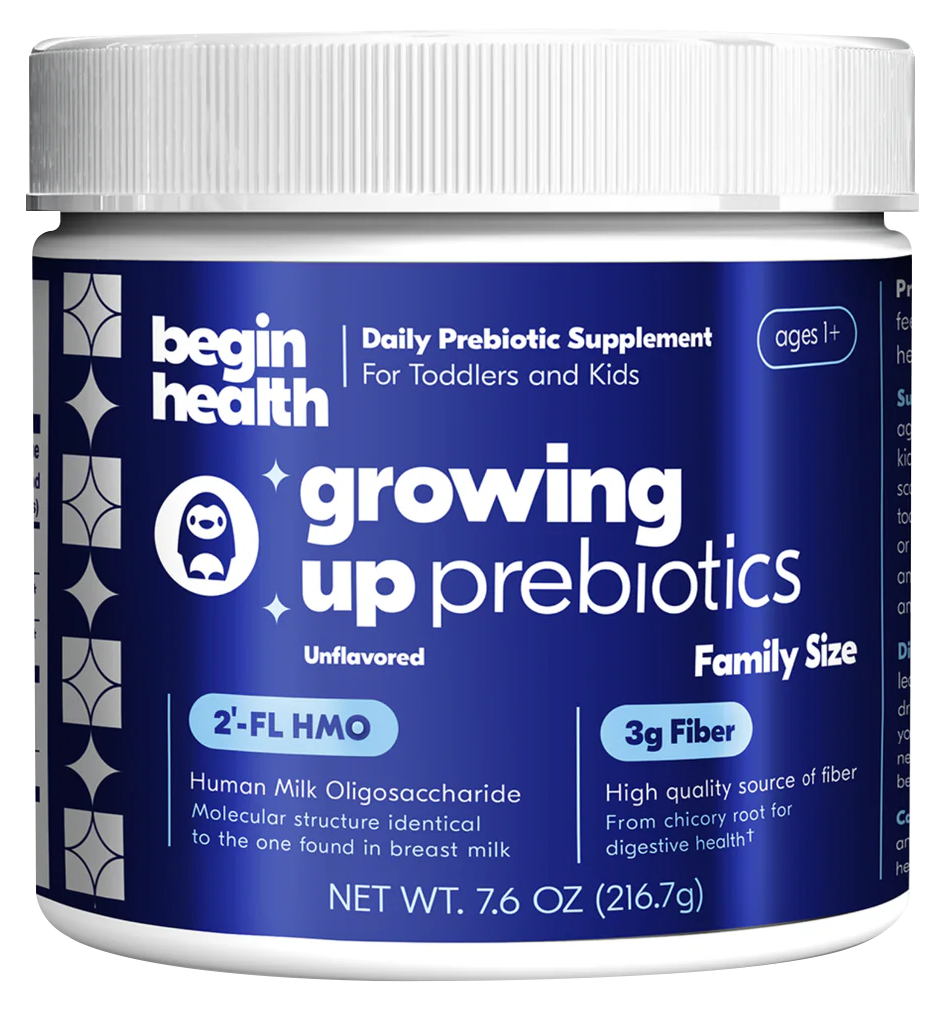
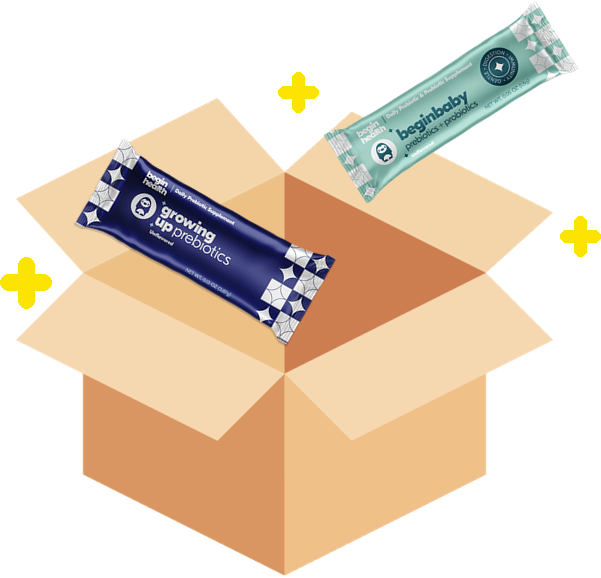
For toddlers who struggle with regular digestion despite diet changes, some families find that gentle gut support helps bridge the gap. Begin Health’s toddler-safe prebiotic products are designed to support stool softness and gut comfort without stimulant laxatives. They’re not a replacement for fiber-rich foods, but they can be a helpful addition while food variety slowly expands.
Key takeaway
Low fiber in toddlers often shows up as constipation, belly discomfort, and mealtime frustration, not dramatic symptoms. Paying attention to patterns, not just single days, can help you spot it early. Gentle food shifts, patience, and supportive routines usually go a long way. You’re not behind—you’re noticing, and that’s the most important first step.
FAQs
What’s the most common sign of low fiber in toddlers?
Hard, painful, or infrequent poops are usually the first clue.
Can picky eating cause low fiber?
Yes. Many picky phases naturally reduce fiber intake, especially when fruits and vegetables are limited.
How fast will adding fiber help?
Changes are often gradual. Consistency matters more than quick fixes.
Can too much fiber cause problems?
Sudden large increases can cause gas or bloating, which is why slow changes are best.
Should I use supplements for fiber?
Food is the foundation, but gentle supports like toddler-safe prebiotics can help when digestion needs extra support.

Author
Begin Nutrition Team


-
Buy Now

Join the
Happy Gut Club
Daily reads to help your little ones lead happier and healthier lives.