


 Login / Create Account






What Foods Help a Constipated Toddler Poop?
share this article
It’s late. Your toddler hasn’t pooped in days, and you’re scrolling your phone wondering what you can feed them that might finally help. You’re not alone and you’re not overreacting.
Constipation is one of the most common toddler concerns, especially during transitions like potty training or dietary changes. The good news is that small shifts in your kiddo’s diet can make a real difference.
Below, we’ll walk through the best foods to help relieve constipation, explain why they work, and offer gentle guidance you can feel confident about. Let’s take some of the pressure off, literally and figuratively.
What foods help toddlers poop?
Foods high in fiber, fluid, and gentle natural sugars can help soften stool and encourage regular poops.
Toddlers often get constipated because their diets are low in fiber and fluids, or they’re going through a phase of picky eating. To help get things moving, focus on whole foods that support digestion and stool softness.
Fruits, vegetables, and whole grains are your best allies here, especially those with skin or natural sorbitol (a sugar alcohol that draws water into the intestines). When you offer these foods consistently, many toddlers start to poop more comfortably within a few days.
Good foods to try:
-
Pears (with skin)
-
Berries (like raspberries and blackberries, which are high in fiber)
-
Apples (also best with the skin)
-
Prunes or prune puree
-
Peas and green beans
-
Sweet potatoes
-
Oatmeal
-
Chia seeds (stirred into yogurt or smoothies)
-
Whole grain breads or crackers
Are there foods that can make constipation worse?
Some toddlers go through stages where they prefer things like cheese, white bread, and crackers, and those foods aren’t inherently bad, but if they dominate the plate, poops may become infrequent or hard.
Dairy, in particular, can contribute to firmer stools in some kids, especially if they're eating a lot of cheese or drinking large amounts of milk without balancing it with fiber.
Foods to limit if your toddler is constipated:
-
Cheese
-
Large quantities of whole milk
-
White rice or white bread
-
Processed snacks with little to no fiber
-
Bananas (especially underripe ones)
The key isn't cutting these out entirely, but making sure they’re balanced with water-rich fruits, vegetables, and whole grains.
How much water should a constipated toddler drink?
Water is essential to soften stools and help fiber do its job.
Even the best high-fiber foods won’t help if your toddler isn’t drinking enough fluids. Water helps stool move through the intestines and makes it easier to pass. If your toddler is potty-trained, a good sign they’re getting enough fluids is light-colored urine.
For toddlers aged 1–3, around 4 cups (32 ounces) of total fluid per day is a general guideline, including water, milk, and food-based fluids like soup or fruit.
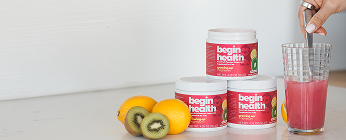
If your kiddo resists plain water, try:
-
Serving it cold with a straw
-
Offering fruit-infused water
-
Using fun cups to make hydration more appealing
Do prebiotics help toddlers with constipation?
Prebiotics can gently support gut health and more regular poops over time.
Prebiotics are special plant fibers that feed the good bacteria in your toddler’s gut. These bacteria help support smoother digestion and softer, more regular stools. Prebiotics don’t act as laxatives. Instead, they encourage a healthier gut environment that naturally promotes regularity.
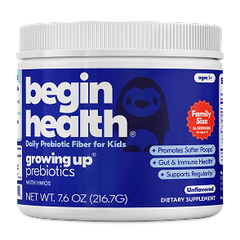
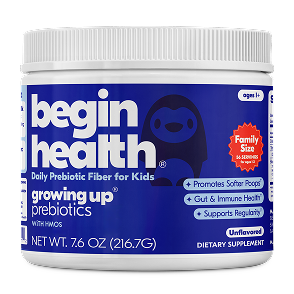
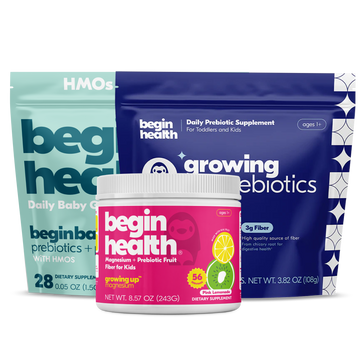
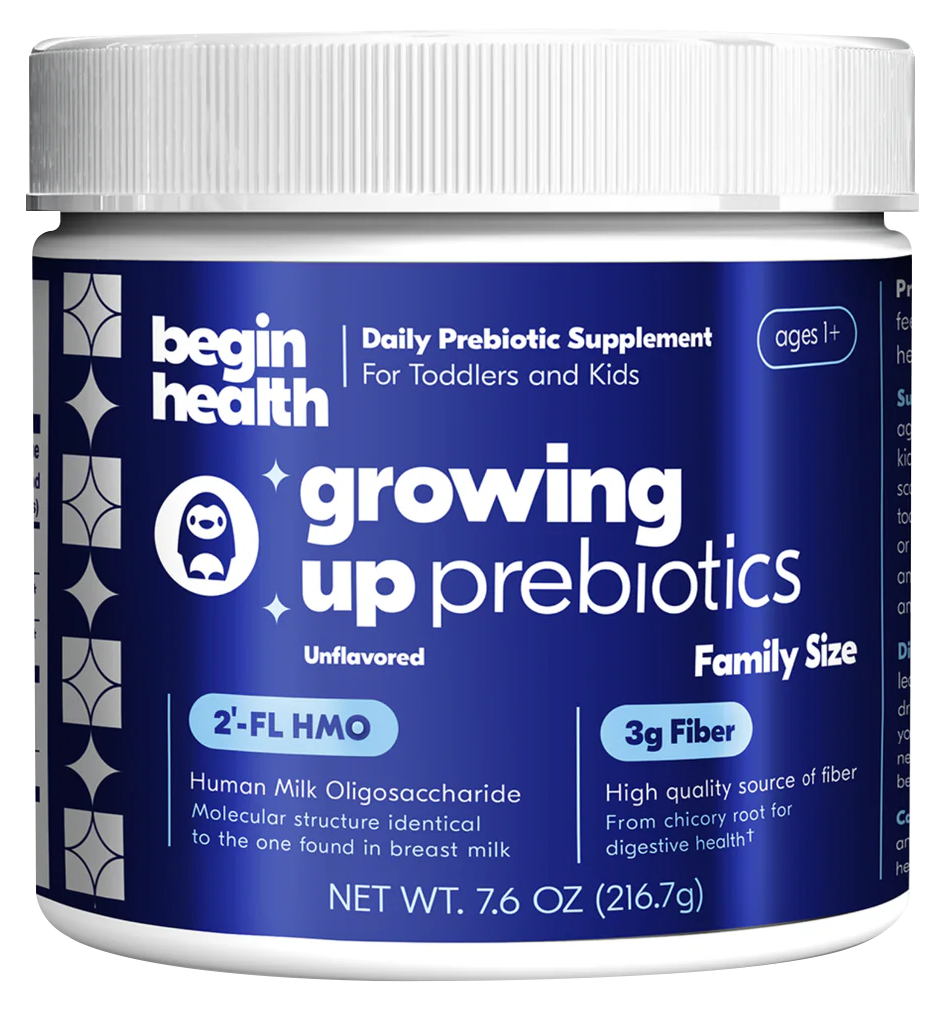
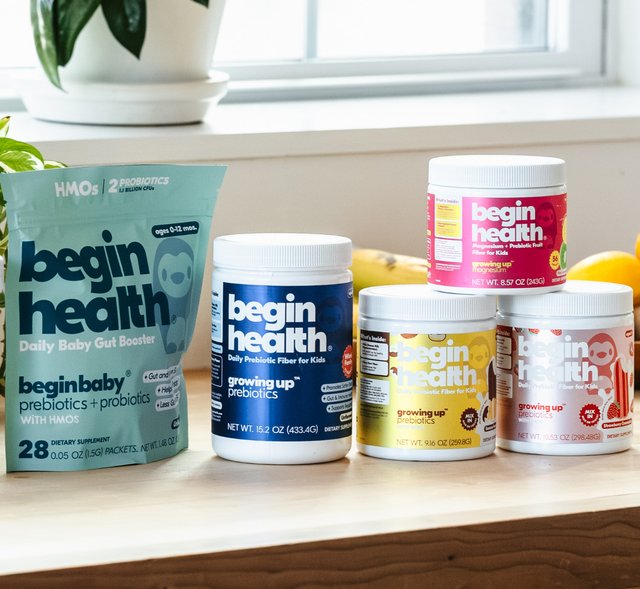
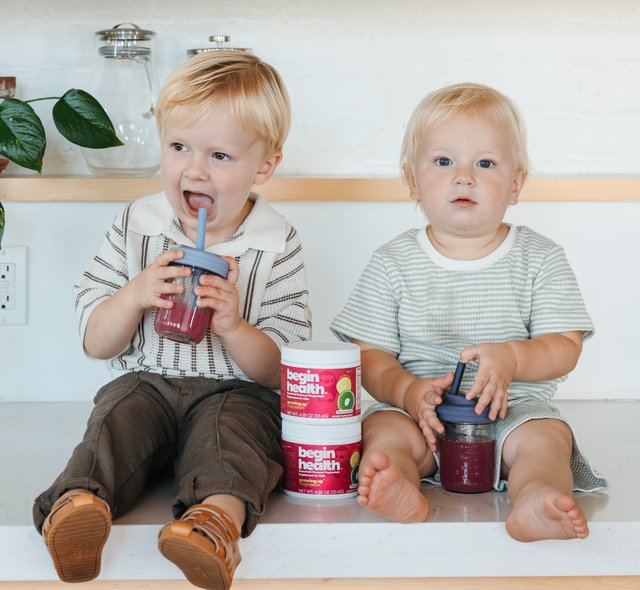
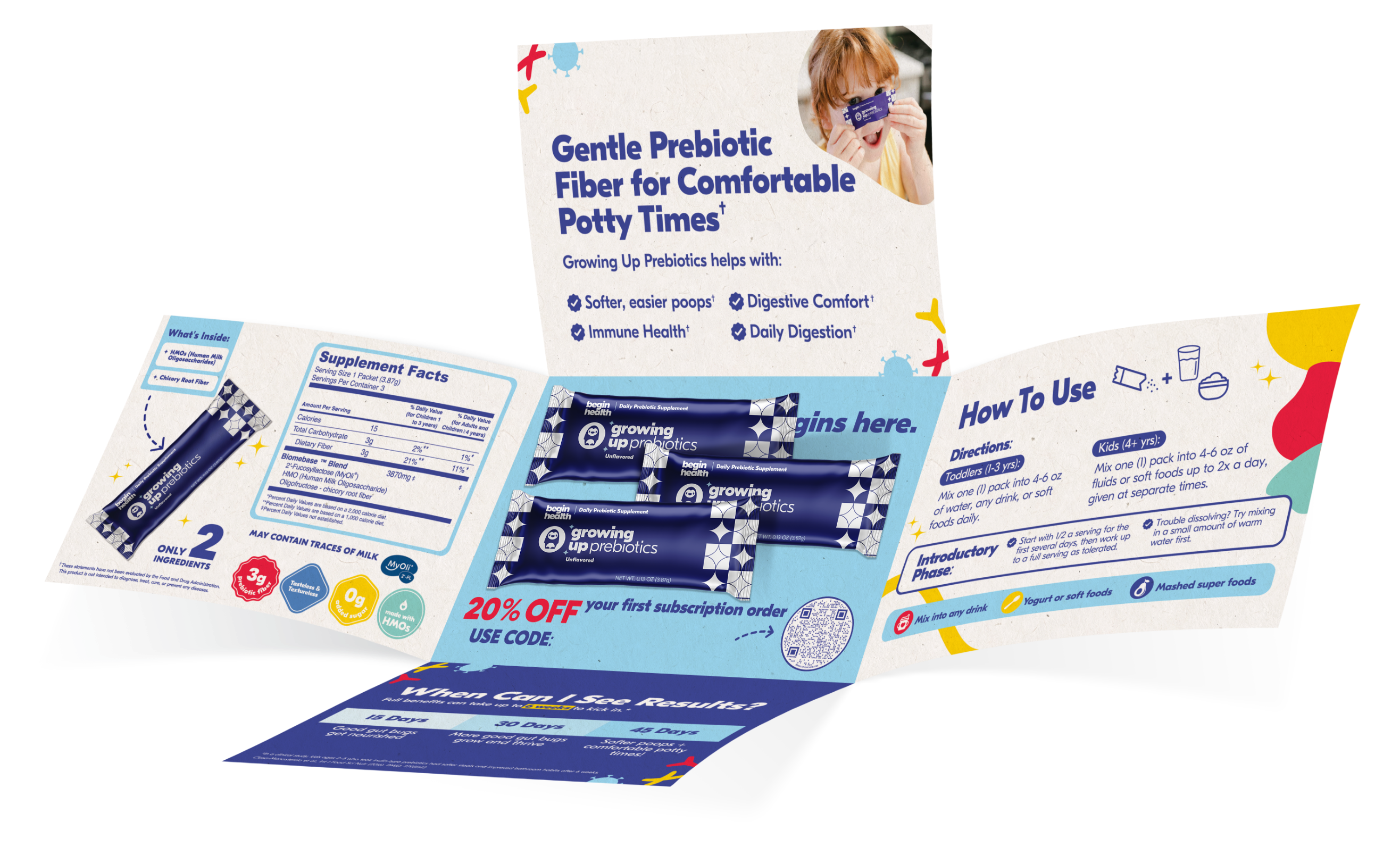
Some toddler-safe products, like Begin Health’s Growing Up Prebiotics, use an HMO (human milk oligosaccharide) that’s clinically studied and modeled after the prebiotics found in breast milk.
It's tasteless, easy to mix into food or drink, and gentle enough for daily use. As always, speak with your pediatrician before introducing new supplements.
-
Buy Now

Join the
Happy Gut Club
Daily reads to help your little ones lead happier and healthier lives.
How long does it take for food changes to help constipation?
For most toddlers, dietary changes can help improve bowel movements within a few days to a week.
If you start offering more fiber-rich foods and fluids consistently, you may notice improvement in your kid’s poop habits fairly quickly. But every kid is different. Some toddlers are more sensitive to changes than others, and if your kiddo has been withholding stool out of fear or past pain, it may take longer for the pattern to shift.
Be patient, stay consistent, and don’t be afraid to reach out to your pediatrician if things don’t improve. Constipation is common, but it shouldn’t be a long-term stressor for your kid or for you.
Key Takeaways
-
Focus on fiber-rich fruits, veggies, and whole grains
-
Limit constipating foods like cheese and white carbs
-
Keep fluids flowing. Water is key
-
Prebiotics may support smoother digestion over time
-
If you’re unsure or symptoms persist, it’s okay to call your pediatrician
You’re showing up for your kid, even when you’re tired and unsure. That matters more than you know.
FAQs
What fruit helps a constipated toddler poop the fastest?
Prunes, pears, and apples (with skin) are great natural choices to soften stool quickly.
Does milk cause constipation in toddlers?
Too much dairy, especially cheese, can contribute to constipation in some toddlers.
Is oatmeal good for toddler constipation?
Yes, oatmeal is high in soluble fiber, which helps soften stools.
Can bananas cause constipation?
Underripe bananas can slow digestion, but ripe bananas are generally fine in moderation.
Are prebiotics safe for toddlers?
Yes! Prebiotics like HMOs used in products such as Begin Health’s are toddler-safe and well-studied. Always ask your pediatrician before starting a new supplement.
-
Buy Now
Join the
Happy Gut Club
Daily reads to help your little ones lead happier and healthier lives.
Related Articles

Author
Begin Nutrition Team


-
Buy Now
Join the
Happy Gut Club
Daily reads to help your little ones lead happier and healthier lives.