





 Login / Create Account


















My 3-Year-Old Refuses to Potty Train — Now What?
share this article
If your 3-year-old flat-out refuses to use the potty, you’re not alone, and you’re not doing anything wrong. This stage can feel especially frustrating because your kiddo seems capable, aware, and very opinionated. You may be wondering whether you waited too long, pushed too hard, or somehow missed a window. Take a breath. Potty training resistance is common at this age, and it’s usually more about control than readiness.
Let’s talk through why refusal happens and how to move forward in a way that lowers stress for both of you.
Why does my 3-year-old refuse to potty train?
Most potty training refusal at age three is rooted in independence and control.
Around this age, kids are learning that they have a say in what happens to their bodies. The potty can start to feel like something being done to them rather than for them, especially if training felt rushed or pressured earlier on.
Refusal can also show up after a disruption, like starting preschool, a new sibling, travel, or even a period of constipation that made pooping uncomfortable. When using the toilet feels uncertain or risky, holding on feels safer to a little one.
Is my kiddo just not ready yet?
Some 3-year-olds are developmentally ready but emotionally resistant.
Readiness isn’t just about recognizing the urge to go. It includes feeling safe, confident, and in control. A kid can understand the potty perfectly and still say no because the timing doesn’t feel right to them.
This is why forcing progress often backfires. When potty training turns into a power struggle, refusal usually intensifies. Stepping back and resetting the tone can make more difference than adding new strategies.
How can I potty train without power struggles?
Reducing pressure is often the fastest way forward with a resistant 3-year-old.
Start by taking a break from reminders, prompts, and rewards for a short period. Let your kiddo see that you’re not watching, waiting, or bracing for accidents. This helps the potty feel neutral again.
When you reintroduce the idea, offer choices instead of instructions. Simple decisions, like which potty to use or when to sit, restore a sense of control. Calm confidence from you sends the message that the potty is available, not mandatory.
What if my 3-year-old is withholding poop?
Poop withholding can make potty training refusal much harder.
If your kiddo avoids pooping because it’s been painful or uncomfortable before, refusal often becomes self-protective. Signs of withholding can include hiding to poop, stiffening the body, or going several days without a bowel movement.
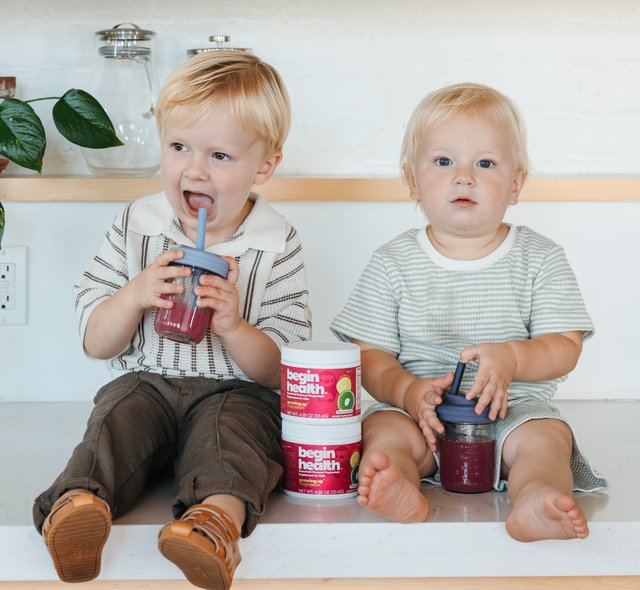
In these cases, supporting softer, more regular stools can help rebuild trust. Along with fiber-rich foods and fluids, some families find gentle prebiotic support helpful. Begin Health’s toddler-safe prebiotics are designed to be easy to mix into food without changing taste, which can support digestion during this sensitive stage without turning it into another battle.
When should I pause potty training altogether?
Taking a break is appropriate when refusal turns into daily stress or fear.
If your kiddo becomes upset at the mention of the potty, starts withholding regularly, or experiences frequent accidents with distress, pausing can protect their confidence. A few weeks off doesn’t undo progress. It often resets it.
Most kids return to the potty on their own timeline once pressure is removed and their body feels comfortable again.
The takeaway
Potty training a 3-year-old who refuses is less about teaching and more about rebuilding trust and control. Staying calm, reducing pressure, supporting comfortable digestion, and giving your kiddo space to lead can make this phase shorter and gentler than it feels right now.
FAQs parents often ask
Is potty training refusal normal at age three?
Yes. Many kids push back at this age as they assert independence.
Should I use rewards if my kid refuses the potty?
Rewards can work for some kids, but they often increase pressure for resistant ones.
Can constipation cause potty training refusal?
Yes. Painful stools commonly lead to avoidance and withholding.
How long should I take a break from potty training?
Often two to four weeks is enough to reset the dynamic.
When should I ask for help?
If refusal continues for months or is paired with ongoing stool withholding, a pediatrician can help guide next steps.
Related Articles

Author
Begin Nutrition Team


-
Buy Now

Join the
Happy Gut Club
Daily reads to help your little ones lead happier and healthier lives.