


 Login / Create Account










Organic vs Regular Infant Formula: Is Organic Actually Better?
share this article
Choosing the right formula can feel like a lot, especially when you’re already tired, Googling late at night, and just trying to do right by your baby. When you’re staring at shelves full of options, the organic vs. regular formula question can start to feel bigger than it needs to be.
Let’s slow it down and walk through what actually matters so you can feel steady and confident in your choice.
What makes infant formula organic?
Organic infant formula is made with ingredients that meet specific farming and processing standards.
In practical terms, that means the dairy ingredients come from cows raised on organic feed, without routine antibiotics or growth hormones, and the formula avoids genetically modified ingredients and artificial additives. The goal is to limit exposure to certain synthetic substances during early development.
That said, “organic” doesn’t automatically mean “better for every baby.” It mostly reflects how ingredients are sourced and processed—not a different nutritional goal. Organic formulas still aim to do the same thing as regular ones: nourish your baby safely and completely.
Is organic formula nutritionally better than regular formula?
No — both organic and regular formulas are required to meet the same nutritional standards.
All infant formulas sold in the U.S. must meet strict federal requirements for protein, fat, carbohydrates, vitamins, and minerals. That means your baby gets the nutrients they need to grow, regardless of whether the label says organic or not.
Some organic brands highlight things like added prebiotics or different fat sources, but many regular formulas now include those features too. Nutritionally speaking, there isn’t a meaningful gap between organic and non-organic options.
What’s the real difference between organic and regular formula ingredients?
The biggest differences are about ingredient sourcing, not safety.
Organic formulas often avoid certain ingredients that some parents prefer to limit, such as specific sweeteners or oils. Regular formulas may include those ingredients, but they’re still carefully regulated and considered safe for babies.
If you’re someone who prefers shorter ingredient lists or a “clean label” approach, organic formula may feel more aligned with your values. If not, regular formula is still a solid, well-tested option.
Why does organic formula cost more?
Organic formula usually costs more because organic farming and sourcing are more expensive.
Organic feed, certification, and production standards all raise costs, and that shows up at the register. For many families, that price difference matters—and it’s important to say clearly: choosing regular formula is not a lesser choice.
Feeding your baby consistently, comfortably, and without financial strain matters just as much as what’s on the label.
Is regular formula still a good choice for my baby?
Yes, regular infant formula is safe, nutritionally complete, and widely trusted.
Regular formulas go through rigorous testing and oversight. Many now include gentle carbohydrate sources, DHA, and prebiotics to support digestion, which helps narrow the gap parents used to worry about.
If organic formula isn’t accessible or doesn’t agree with your baby’s tummy, regular formula is absolutely a reliable option.
Where do prebiotics fit into this decision?
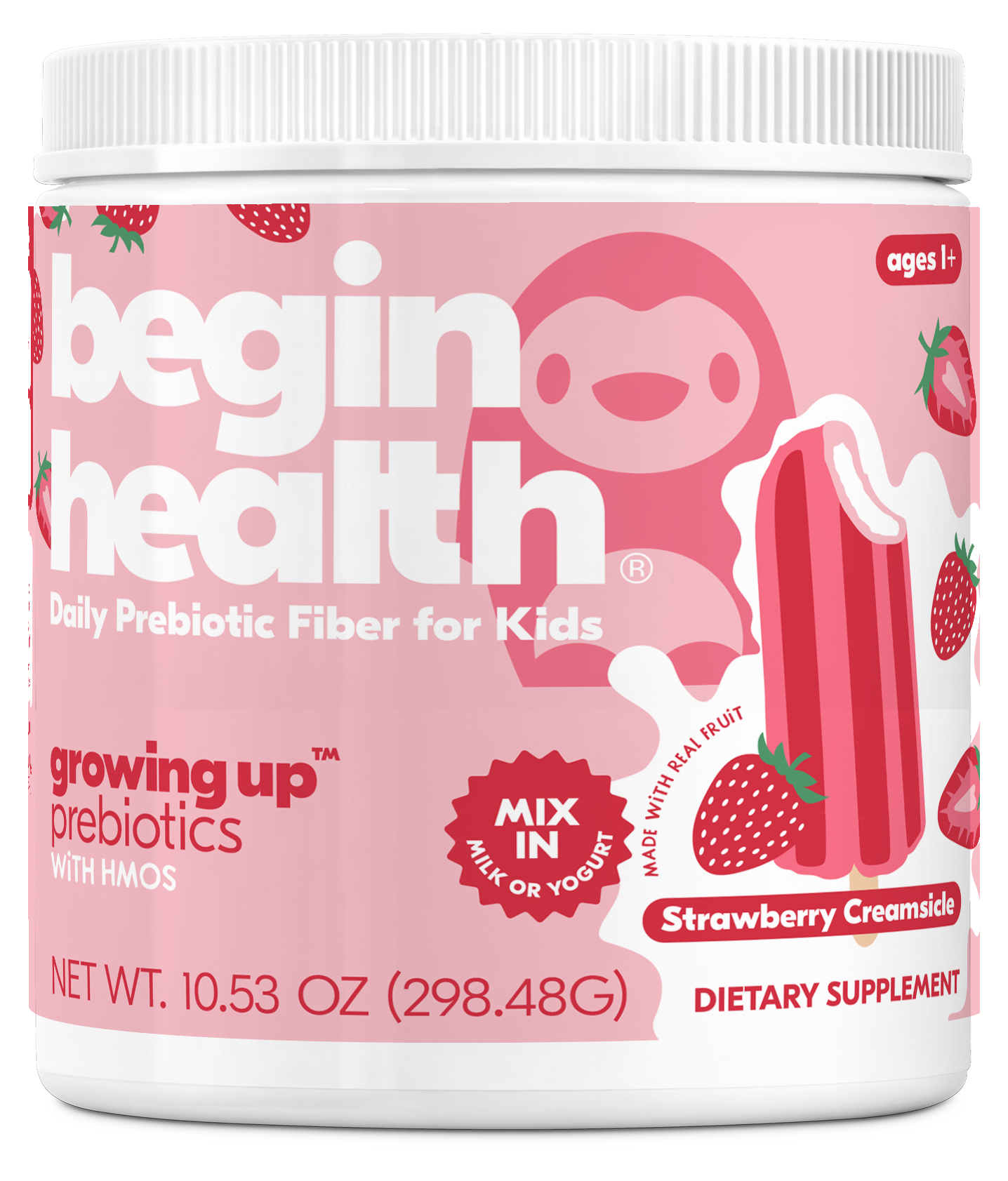
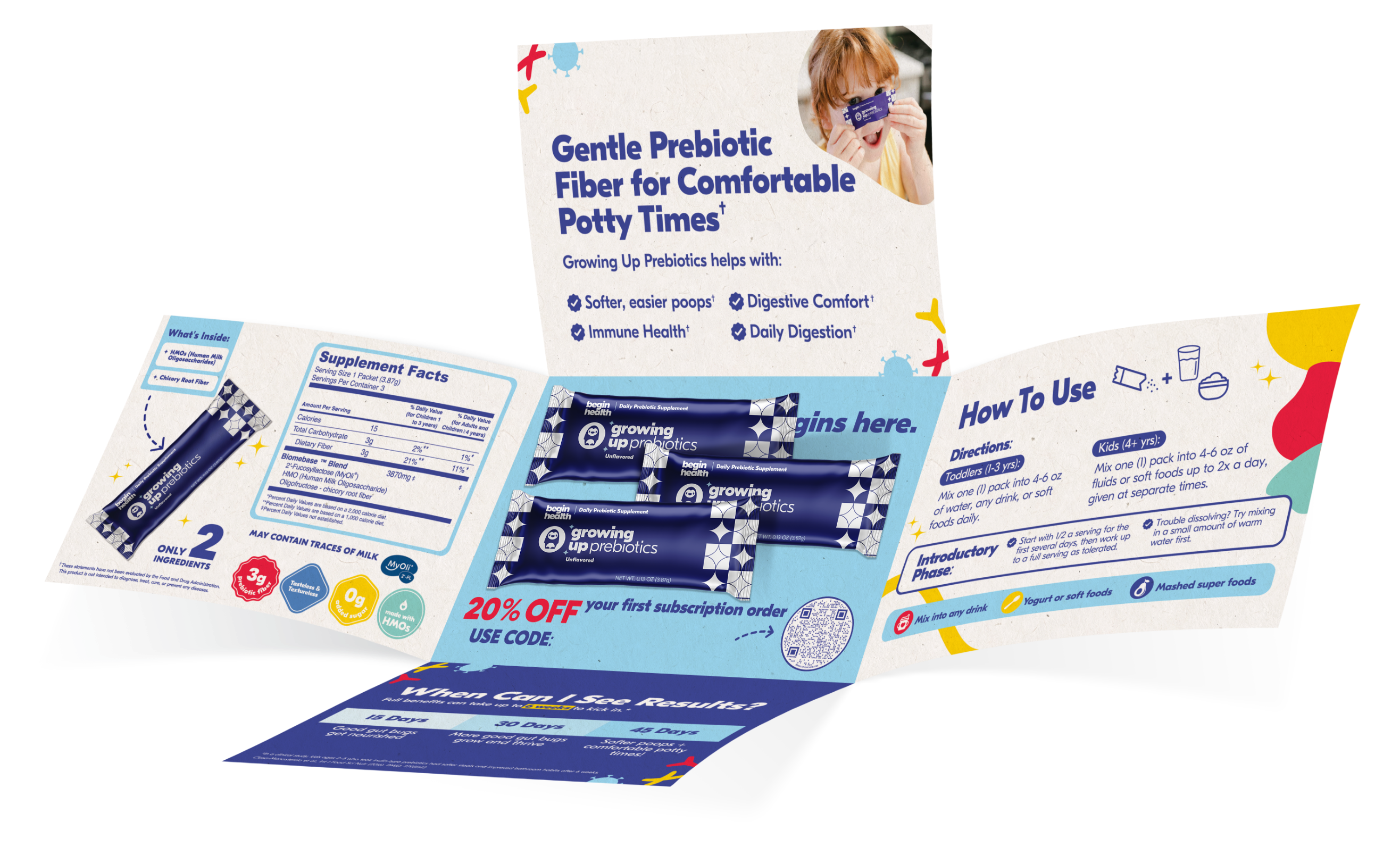
Some parents look beyond formula type and focus on digestion—especially if their little one struggles with hard stools or irregular poops. In those cases, adding a gentle, toddler-safe prebiotic (like those made by Begin Health) can sometimes support more comfortable digestion without changing formula altogether. It’s not about fixing something that’s “wrong,” just supporting a system that’s still learning how to work.
The takeaway
Both organic and regular infant formulas are safe, complete, and designed to help your baby grow. Organic formulas may offer peace of mind around ingredient sourcing, while regular formulas offer flexibility and affordability. The best choice is the one that works for your baby and your family — without guilt attached.
FAQs parents often ask
Will switching to organic formula help my baby’s digestion?
Sometimes, but not always. Digestive comfort depends more on the baby than the label.
Is regular formula harder on a baby’s stomach?
No. Many babies do perfectly well on regular formula.
Can I switch between organic and regular formula?
Yes, most babies tolerate switching just fine, though it’s best to do it gradually.
Does organic formula mean fewer tummy issues?
Not necessarily. Every baby’s digestive system is different.
Should I talk to my pediatrician before switching formulas?
If your baby is struggling or not gaining well, it’s always a good idea to check in.

Author
Begin Nutrition Team


-
Buy Now

Join the
Happy Gut Club
Daily reads to help your little ones lead happier and healthier lives.

