


 Login / Create Account






How to Tell If Probiotics Are Working in Kids: 6 Signs to Watch For
share this article
 When your little one has tummy problems, it's natural to want quick relief. The crying, wriggling, and other signs of discomfort that come from constipation and gas are no fun for parents or babies.
Probiotics are beneficial microorganisms that naturally live in the human gut. These beneficial bacteria and yeast can aid in digestion, nutrient absorption, immune health, and overall gut microbiome balance.
Adding probiotics to your little one's routine can safely and gently improve gut health, offering babies and toddlers digestive benefits over time.
However, you may not immediately see signs that probiotics are working. It takes time for probiotics to improve the gut microbiome to reduce the chances of uncomfortable tummy symptoms coming back. Probiotics can be a safe, effective strategy for easing common digestive concerns.
Your pediatrician can help you decide on other strategies to make your baby more comfortable now and in the long term.
How Long Does It Take to See Results from Probiotics?
The gut microbiome is a complex system. Even from infancy, every person's digestive tract hosts billions of microorganisms that help break down food, support nutrient absorption, and keep harmful bacteria in check. Every human being, no matter their age, has a complex ecosystem of microorganisms in their digestive tract. This system is so intricate that it naturally takes time for probiotics to make noticeable changes, especially in babies and kids. Changing this system takes time, and there's no exact way to know how long it will take for probiotics to work in kids.
You may wonder if kids need probiotics. Adding probiotics to the diet can help ensure the proper balance of beneficial microorganisms. This can improve digestion, reducing symptoms like gas, bloating, and constipation. Balanced gut health has also been linked to stronger, healthier growth and cognitive development in babies and toddlers, as well as stronger immune system function and lower risk of asthma and allergies.
You can add probiotics to your kiddo's routine by giving them foods that are naturally high in beneficial live-active microbial cultures, such as yogurt or kefir. Another way to boost gut health is by increasing the consumption of prebiotics, foods that contain ingredients that nourish microorganisms.
High-fiber foods like fruits, vegetables, and whole grains are prebiotics that can improve gut function. Supplements can also add both pre- and probiotics to your kid's diet.
The key to getting benefits from probiotics and prebiotics is making them a regular part of your little one's routine. A daily serving of yogurt, alongside a helping of apple slices or a banana, can gradually improve gut balance.
Signs Probiotics Are Working in Kids: 6 Key Indicators
You may wonder what the signs are that probiotics are working. In many cases, the clearest sign is simply that the discomfort your kid was experiencing starts to ease. Some of the signs that probiotics are easing digestive issues include:
- Less digestive discomfort: Your little one will have fewer episodes of gas, bloating, and cramping as their gut balance improves.
- More regular bowel movements: As your kid's gut health improves, they'll have more regular bowel movements. You can expect children ages 1–3 to have up to two bowel movements a day.
- Easier bowel movements: Along with regularity, your kid's stools should be softer and easier to pass.
- Better digestion: You may notice that foods no longer upset your little one's tummy, allowing them to enjoy a more varied diet.
- Clearer skin: Poor gut health is linked to skin issues like eczema. As gut health improves, your little one may have clear skin with fewer red or dry patches.
- Increase wellness: Some children have an overall improvement in their health as their gut balance improves. A healthy gut is linked to better immune function, so supporting the gut microbiome can reduce the incidence of colds and other illnesses.
Whether you're adding foods for gut health or offering your kid a probiotic supplement, it's best to take a gradual and mindful approach.
- Start slowly: Start with a small dose or minor changes to their diet, and increase gradually.
- Monitor changes: Watch your kiddo for changes in their behavior and digestion in the first few weeks.
- Consult a doctor: If you don't notice improvements after a few weeks, or if your kid's symptoms seem to get worse, call your healthcare provider. They can help you make adjustments and make your kid more comfortable.
- Expect some side effects: Diet changes and supplements can lead to mild side effects like increased gas and bloating or changes in bowel habits. These are temporary and should get better with time.
What Not to Expect: Managing Expectations for Probiotics
Probiotics are part of a long-term wellness routine. They don't address symptoms immediately. While you wait for gradual improvements, you can ask your kiddo's doctor about symptom relief. Over-the-counter medicines can help with gas pains, so your kid is more comfortable in the short term.
When to Pause or Consult a Healthcare Provider
Most kids tolerate probiotics without an issue, and gradual improvements happen over the course of a few weeks. Signs probiotics are not working include your kid's discomfort getting worse. If that happens, stop the probiotics and speak to your healthcare provider. Likewise, call your provider if you don't see any improvements over several months. Your little one may have other health concerns that probiotics can't address.
What to Track: Key Factors to Monitor While Using Probiotics
When you start a probiotic routine for your kid, you can track their symptoms and behavior for changes:
- Stool frequency
- Signs of discomfort during bowel movements (crying, straining)
- Stool color and consistency
- Episodes of crying or fussiness
- Episodes of gas or bloating
- Changes to skin conditions like eczema
- Changes to Health and mood
Don't worry if improvements don't follow a straight line. There are many factors that can affect a baby or toddler's digestion. Common issues like teething, schedule changes, growth spurts, and travel can all cause temporary setbacks. Stick with a consistent diet and don't hesitate to call your pediatrician if you have questions or concerns.
Best Practices to Enhance Probiotic Effectiveness in Kids
Probiotics work best as part of a balanced eating routine. Both toddlers and kids of all ages can benefit from a fiber-rich diet with plenty of fruits and veggies. Fiber is an important prebiotic that works with probiotics. Prebiotics are elements of food that nourish the beneficial bacteria in the gut. Giving your little one prebiotic foods like apples, pears, bananas, and whole grains can improve gut function and reduce the risk for developing tummy troubles.
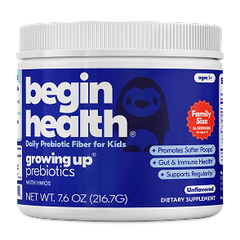
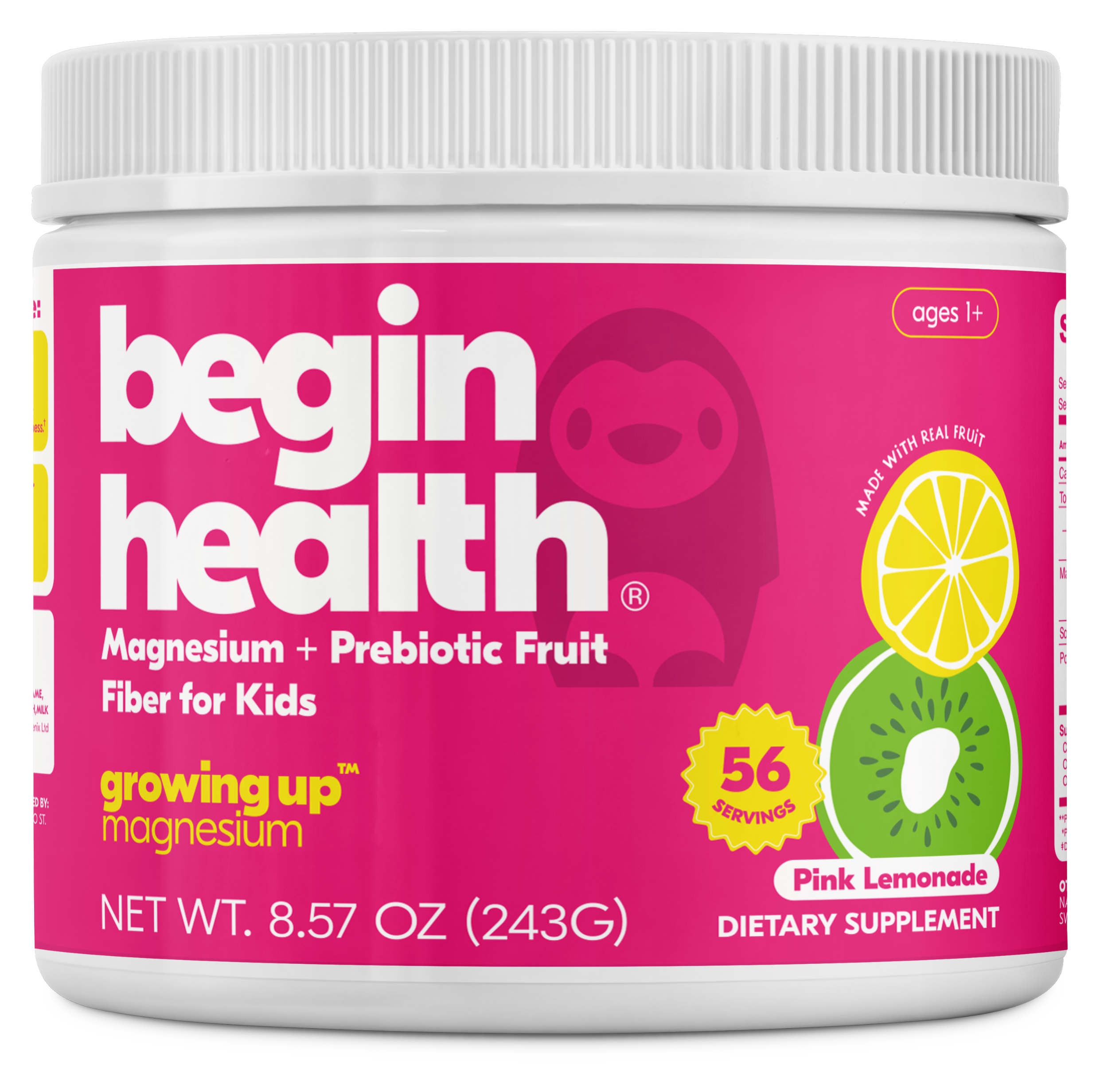
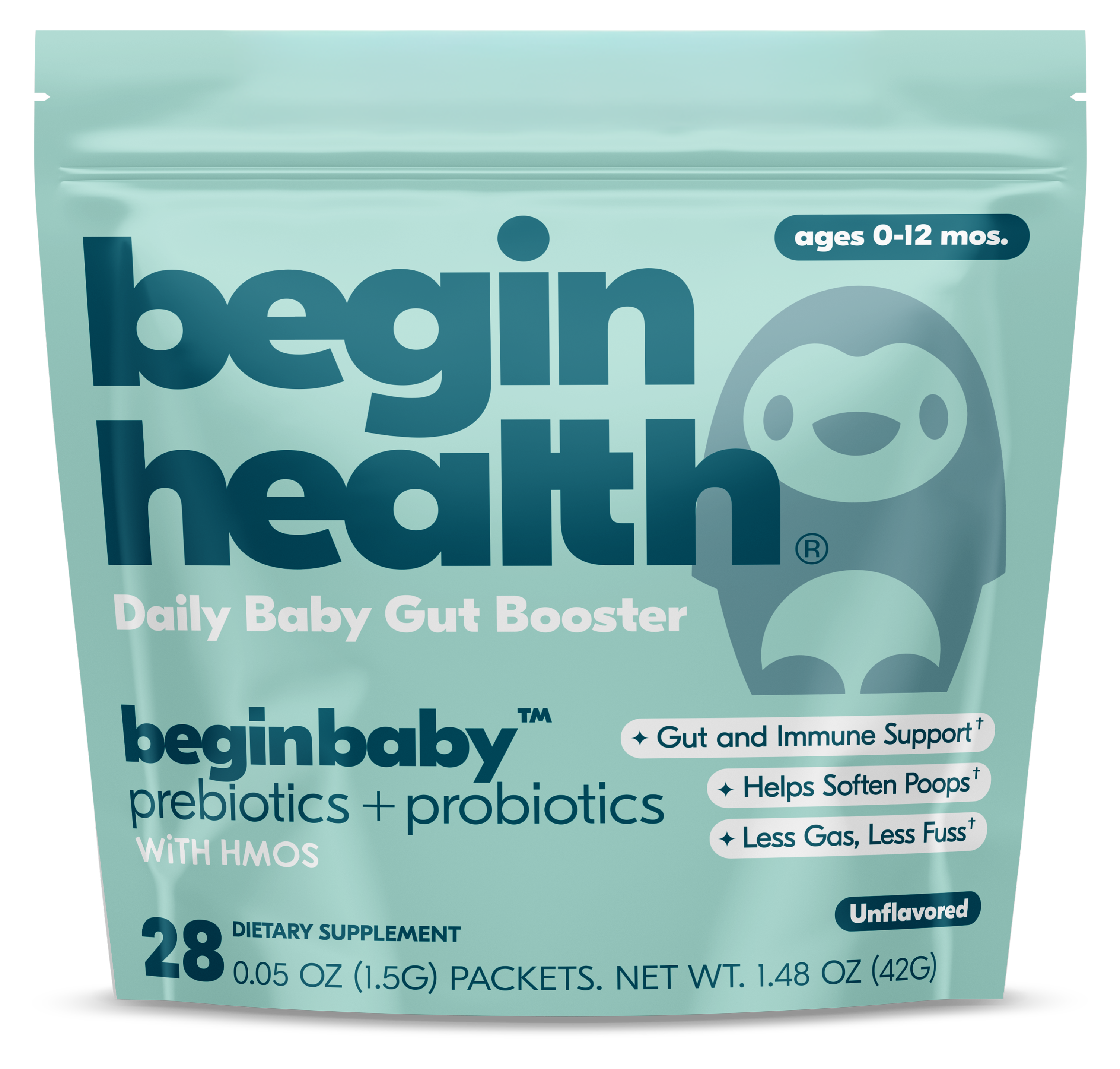
Support Your Kid's Gut Health with Begin Health Prebiotics
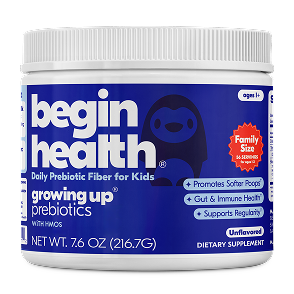
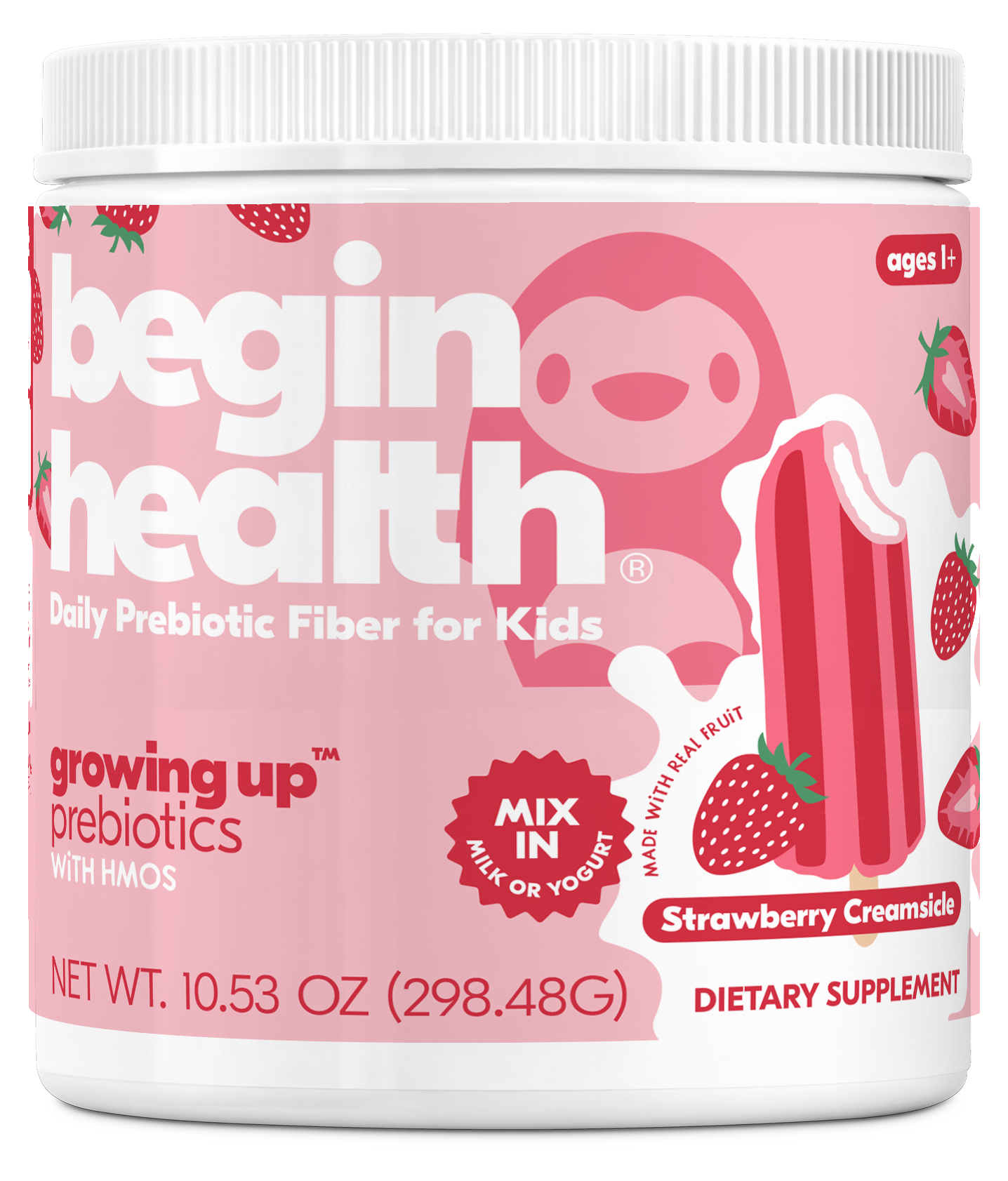
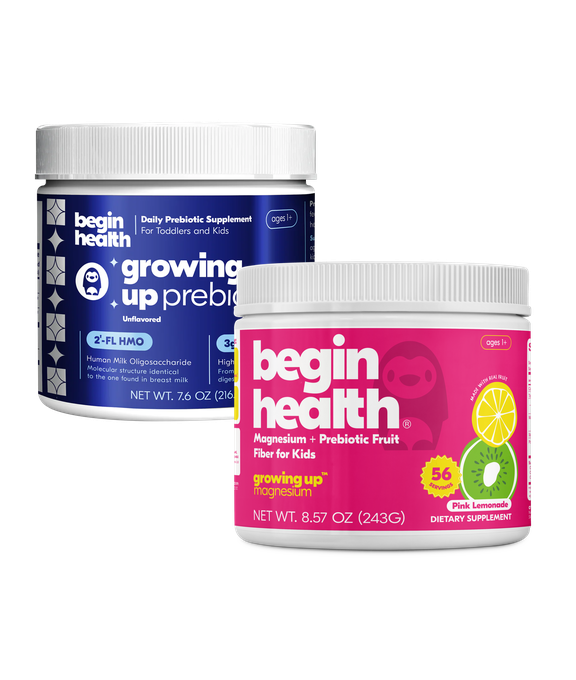
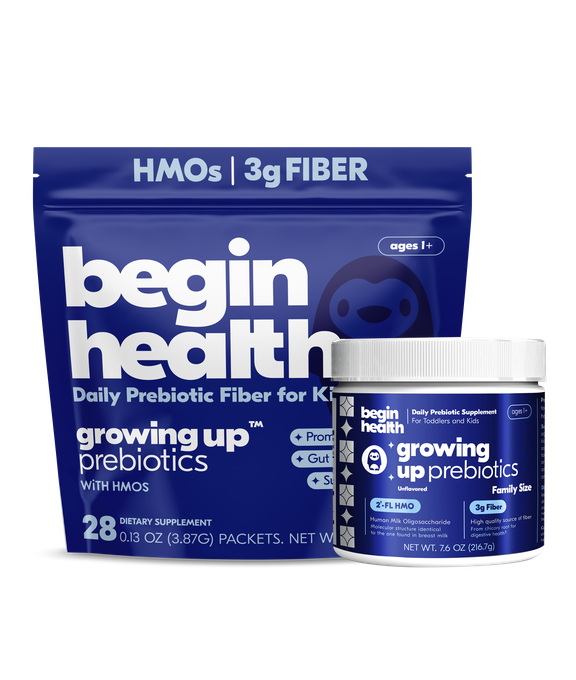
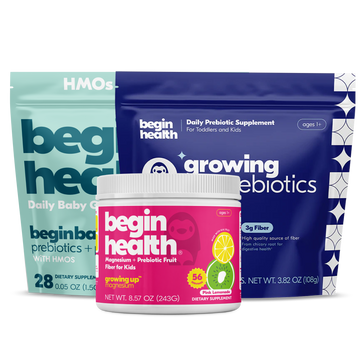
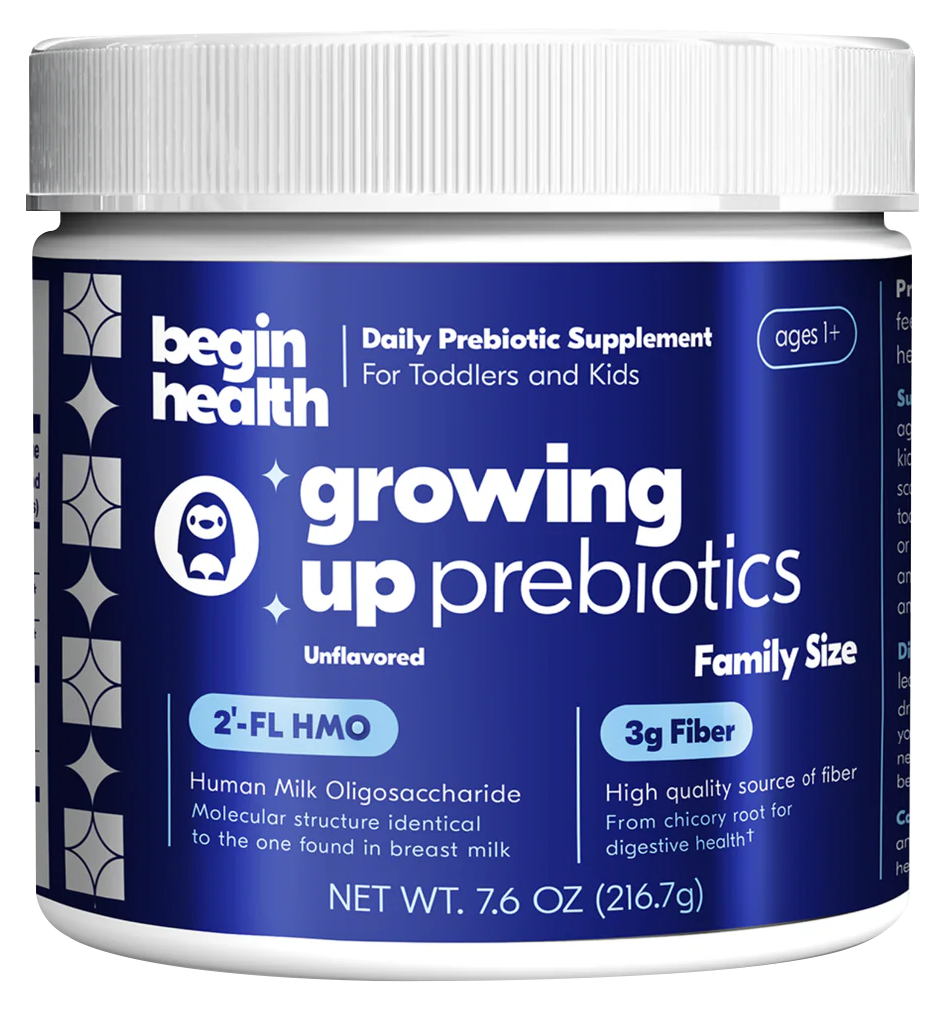
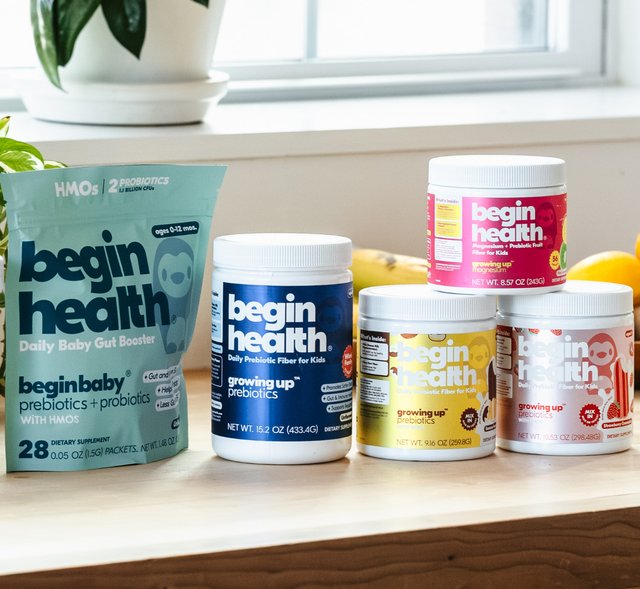
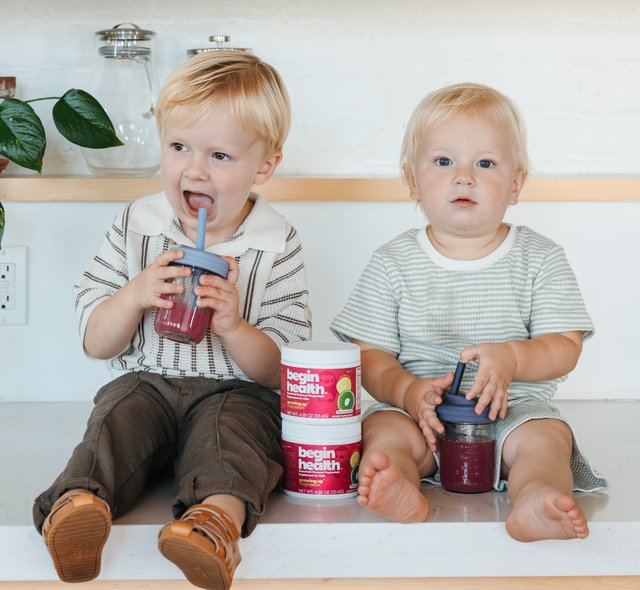
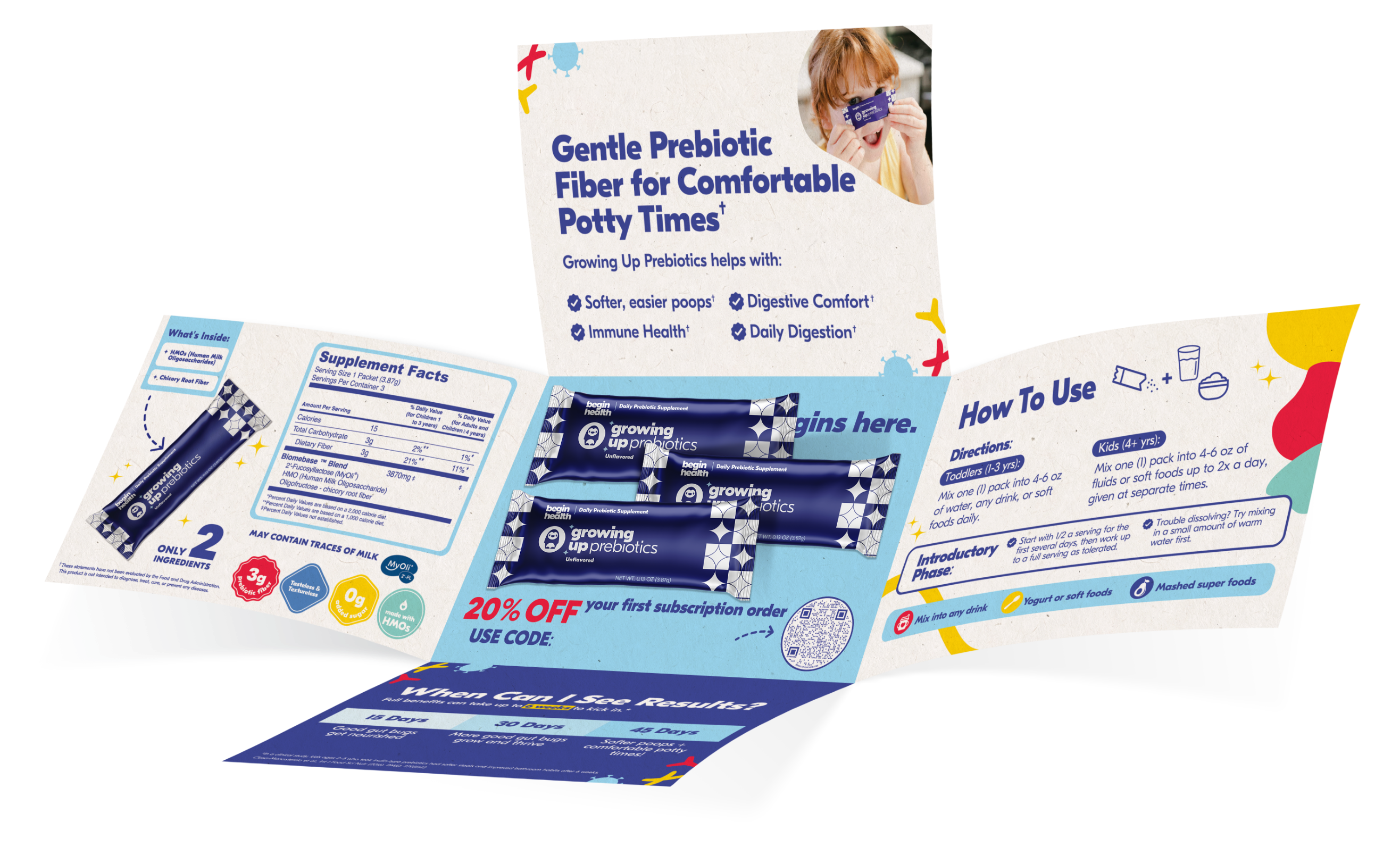
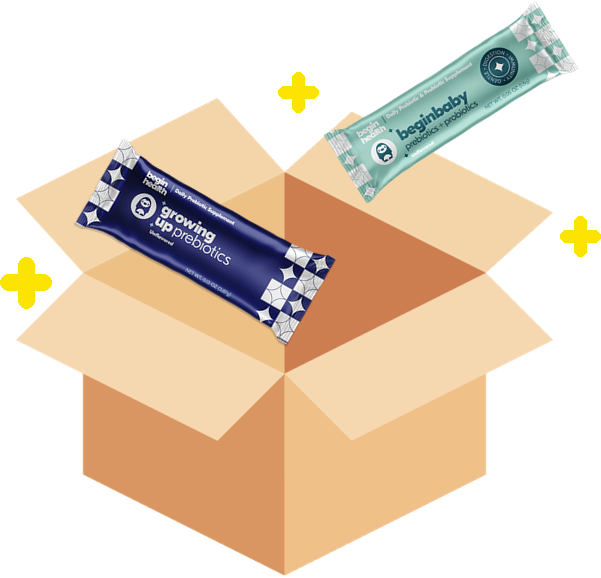
Begin Health’s gut health products are made especially for babies and toddlers. Adding probiotics to your little one's routine, either through diet or science-backed supplements, can improve gut health, decrease discomfort, and set your babies and kids up for better health.

Author
May Zhu, RDN


-
Buy Now

Join the
Happy Gut Club
Daily reads to help your little ones lead happier and healthier lives.


