


 Login / Create Account







Best Probiotic for Infant Eczema: What to Know Before You Buy
share this article
 Eczema, sometimes called atopic dermatitis, is a common skin condition in babies and toddlers. It causes dry, red, and itchy patches on the skin. The itching can be worse at night, making it hard for little ones to sleep.
Research has found that eczema can be linked to changes in beneficial gut bacteria. An imbalance of the gut microbiome can lead to increased inflammation, which may show up as eczema. Consuming probiotics to improve the balance of gut bacteria can help reduce the risk for symptoms associated with eczema such as itchy skin.
Your pediatrician can help you manage eczema symptoms and give you guidance on how best to improve your kiddo's gut health. Making changes to their diet and adding supplements that contain the best probiotics for infant eczema may be the first step toward improving eczema symptoms.
What Are Probiotics and How Do They Help With Eczema?
One of the most fascinating things about the human body is the way it plays host to a delicate ecosystem of microorganisms. Every person, even tiny babies, has a thriving microbiome of beneficial organisms on their skin and in their gut. Even more fascinating is that there is a link between gut health and skin health that scientists are only recently beginning to understand.
One thing researchers have discovered is that skin issues like eczema are often linked to imbalances in the gut microbiome. The working theory is that gut bacteria help regulate inflammatory responses. If there isn't the right balance of microorganisms in the gut, it can lead to chronic inflammation that shows up as skin irritation.
Eczema is one example of this type of cause-and-effect situation. Food allergies are another. Eating allergenic foods causes the reaction to happen in the gut, but it appears on the body as a rash or hives.
Rebalancing the gut microbiome with probiotics can provide support for symptoms such as itchy skin. Probiotics are foods or supplements that contain beneficial microorganisms like lactobacillus and bifidobacterium. Consuming probiotics can increase the population of those so-called good bacteria in the gut. As the balance of the microbiome improves, inflammation decreases, and so do eczema symptoms.
This is great news for parents looking for solutions to the dry, itchy skin that comes with eczema. Adding probiotic-rich food and supplements can safely and effectively improve your kiddo's gut health and skin health at the same time.
Best Probiotic Strains for Eczema Relief in Kids
The word probiotic is an umbrella term that refers to all the types of microorganisms in the gut. Scientists are learning that the different strains play different roles in gut health. In recent years, researchers have found that two particular probiotic strains, called lactobacillus and bifidobacterium, are effective at relieving eczema in babies and toddlers.
A 2025 review of current research found that multiple studies confirmed that probiotic supplements that contain bifidobacterium can effectively reduce the incidence of eczema in children under three years old. Another review published in 2023 showed that probiotics containing lactobacillus can prevent or treat eczema in babies.
The exact mechanism for how these two microorganisms work is unknown. However, researchers theorize that both lactobacillus and bifidobacterium play a role in preventing inflammation. When there is a sufficient balance of lactobacillus and bifidobacterium in the gut, the skin is less likely to get inflamed and itchy in reaction to irritants or allergens.
How to Choose the Best Probiotic for Baby Eczema
Adding a probiotic supplement can be an effective way to improve your little one's gut health and put them on the path to minimizing eczema symptoms. It's important to take a good look at the label before you buy a supplement to make sure you're choosing one that will deliver the results you want. For example:
- Strain specificity: Look for probiotics that contain the strains that are known to help with eczema, specifically lactobacillus and bifidobacterium. Other strains might not have the same benefits for your kiddo's skin.
- CFU Count: Make sure there are enough active cultures for an effective dose. Probiotics are measured in Colony Forming Units (CFU).
- Age-appropriate formulations: You'll need to get probiotics in a form that is easy for your baby to take. Look for formulations that come in liquid or powder options. Liquids or powders may be the easiest options since you can mix them into milk or formula.
Complementary Strategies: Topical Care and Lifestyle Changes for Eczema Support
Probiotics don't work instantly. It takes time to rebuild the population of beneficial microorganisms in the gut. Your kiddo's eczema will gradually get better. But you will have a couple of weeks during which they still have dry, itchy patches.
Your pediatrician can give you advice on safe options for treating eczema symptoms to ease discomfort. Over-the-counter topical steroid creams may soothe itching and redness. Cool compresses and keeping skin well moisturized may also help.
You can also try making daily shifts to avoid eczema triggers at home. Switch to unscented laundry detergent and soaps. Vacuum frequently to get rid of dust and allergens in the house. Be diligent about washing your hands before holding your baby to avoid transferring irritants to their delicate skin.
When to Consult a Doctor About Probiotics for Eczema?
It's a good idea to check with your doctor about any persistent skin issues your baby has. They can help you plan an effective course of treatment that includes probiotics.
If eczema symptoms don't clear up within a couple of weeks of starting treatment, or they start getting worse, call your doctor. They can check for other possible causes for skin issues, such as allergies or a rash associated with a virus. Once they know for certain what's causing red, itchy skin, they can offer appropriate treatment for the correct diagnosis.
Best Probiotics or Probiotic Formulas for Eczema in Babies
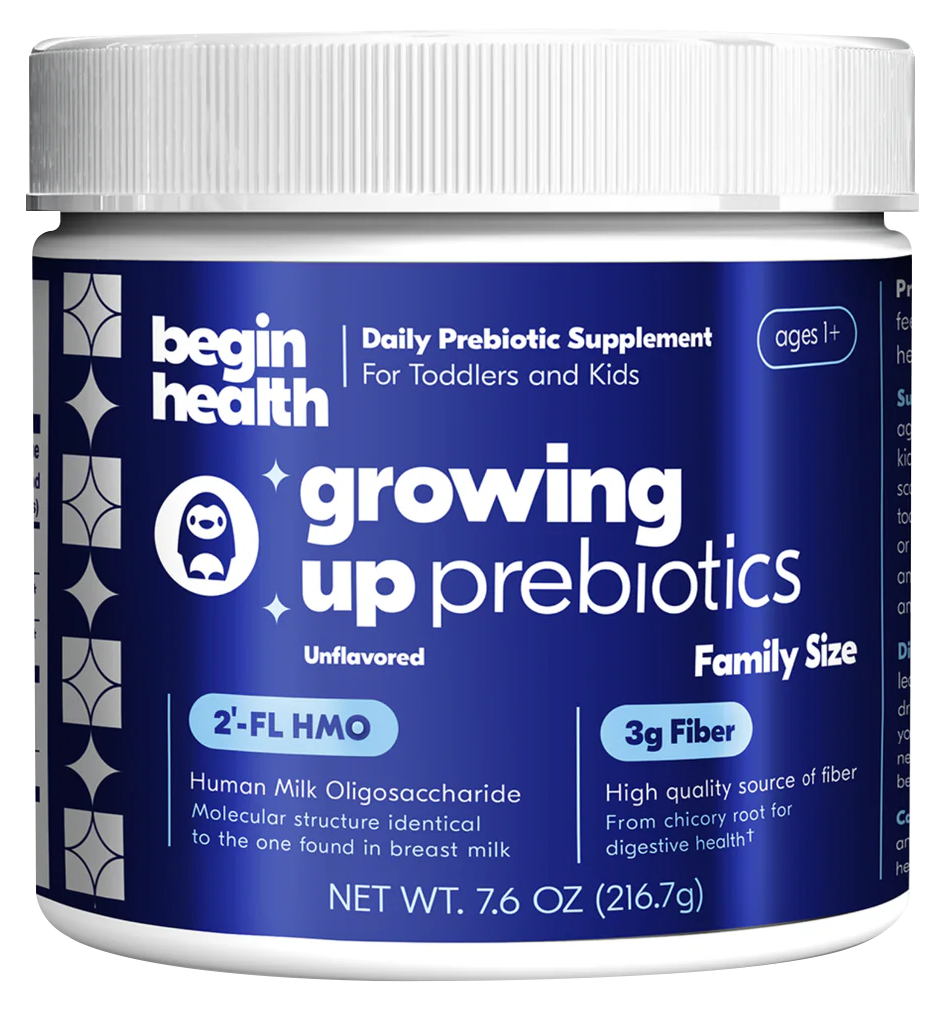
The best probiotic supplements for kids are formulated with their tummies in mind. Consider formulations that contain prebiotics, the nutritional fiber that nourishes the beneficial microorganisms in your baby's gut. Human milk oligosaccharides (HMOs) are a prebiotic that mimics the health benefits of breastmilk, offering benefits to your baby and promoting a healthy gut microbiome.
A combination of prebiotics, probiotics, and HMO can support the growth of good bacteria to bolster gut health and reduce the risk of eczema.
Choose Begin Health Probiotics: Natural Gut Support for Eczema Symptoms
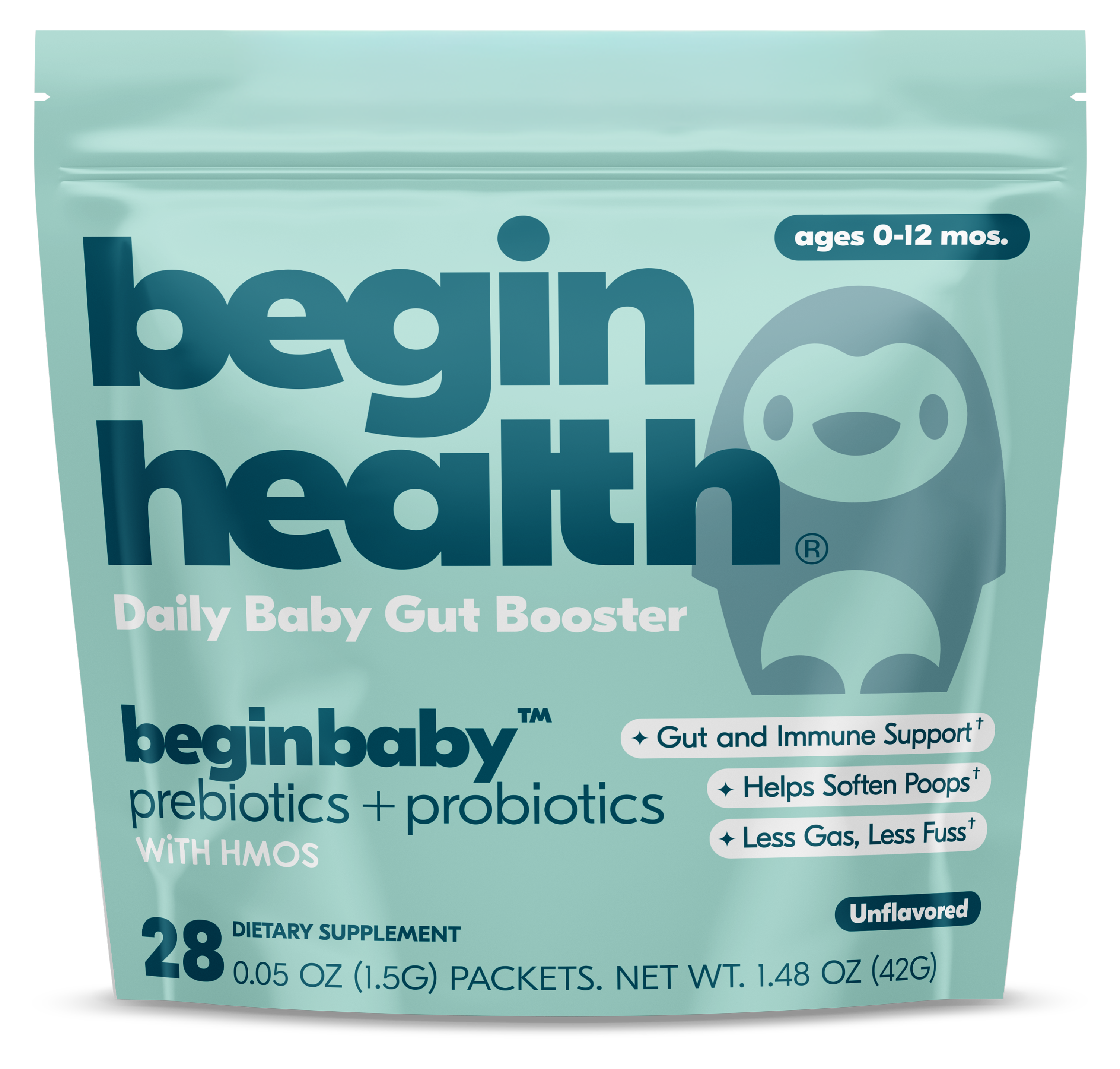
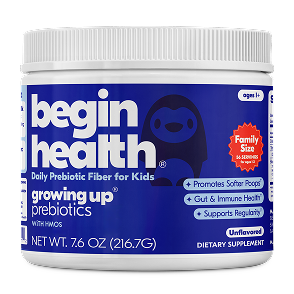
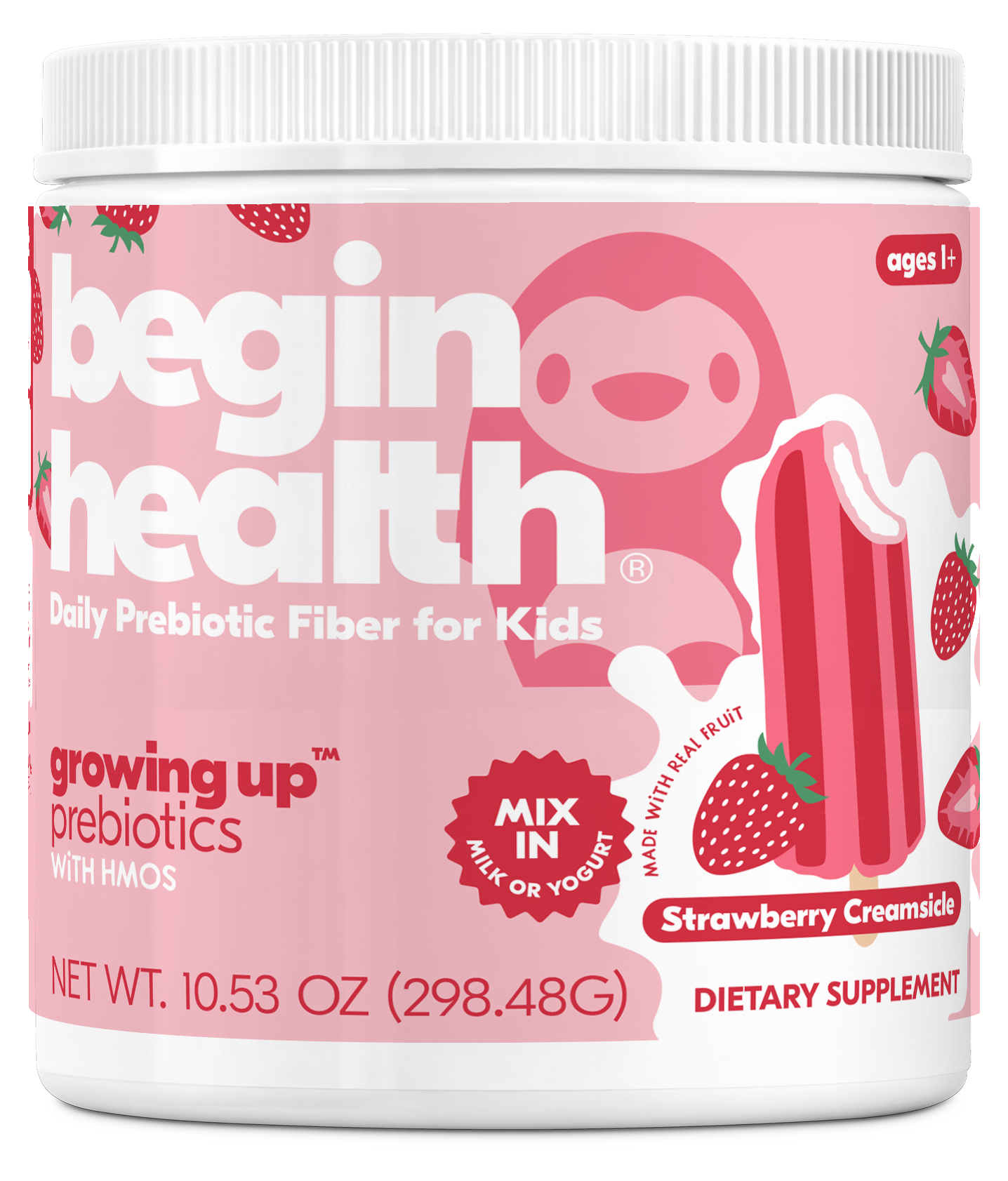
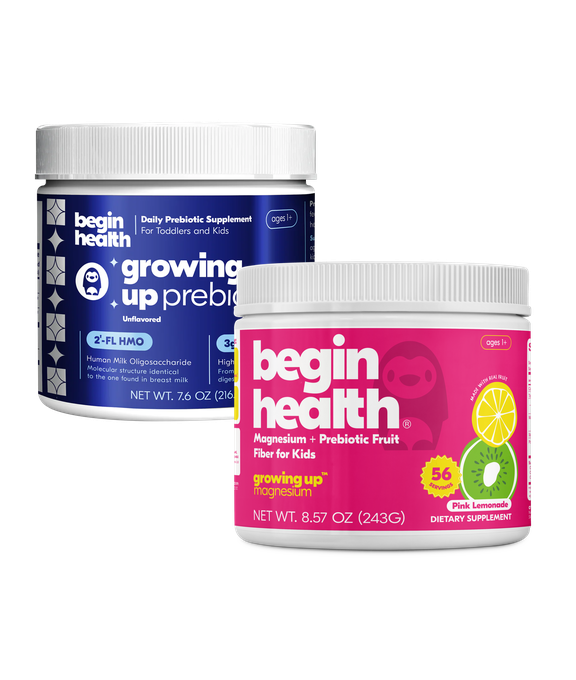
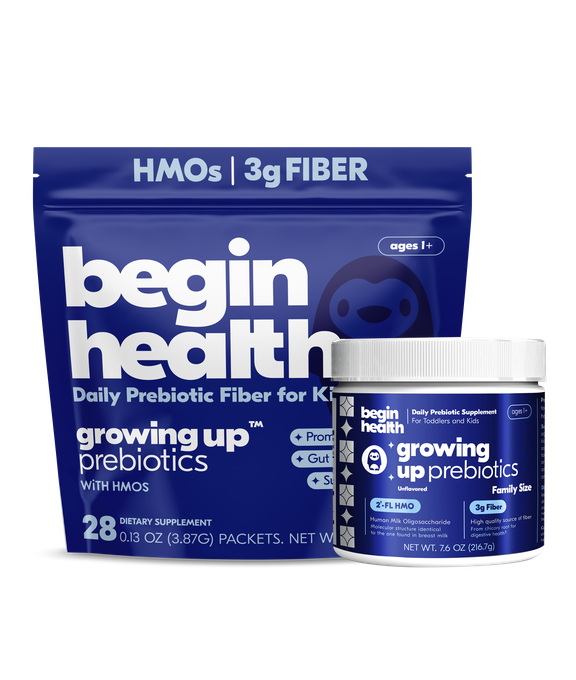
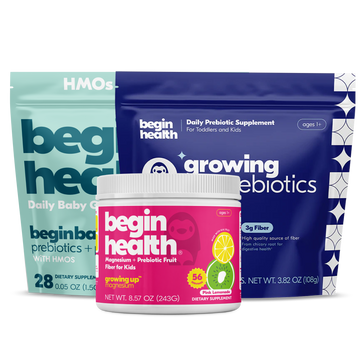
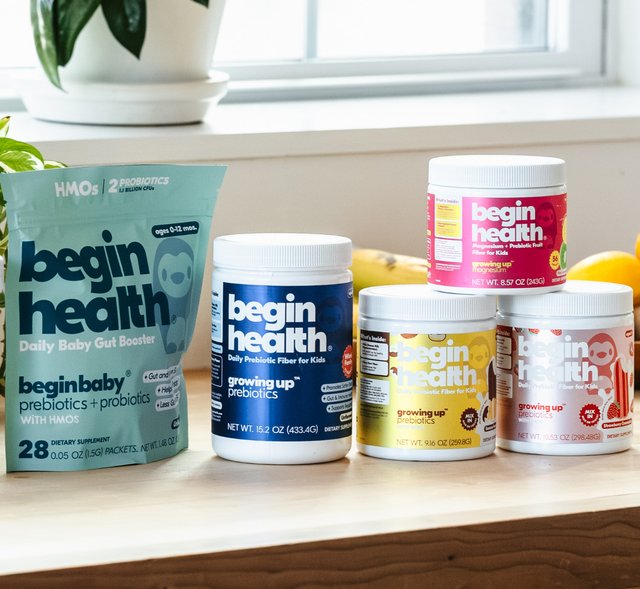
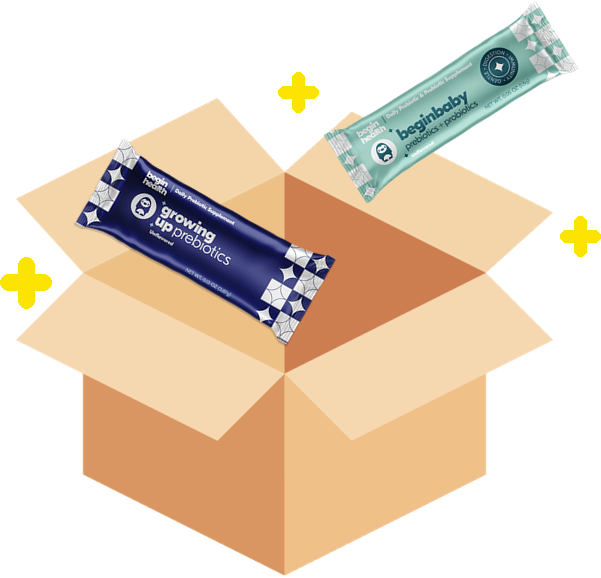
For parents looking for the best probiotics to support your baby's skin health, Beginbaby Prebiotics + Probiotics is an infant-focused supplement that combines the benefits of human milk oligosaccharides (HMOs) and probiotics. It comes in a fast-dissolving powder that's easy to add to breastmilk or formula.
The formulation contains clinically studied probiotics strains like Bifidobacteria lactobacillus and bifidobacterium that can help balance your baby's gut microbiome balance and in return, support their skin health to help improve dry, itchy skin that's often associated with eczema.
Always talk to your baby's pediatrician before making any changes to their diet or adding any supplements to their routine. They can answer your questions about the benefits of adding a probiotic supplement to their routine.

Author
May Zhu, RDN


-
Buy Now

Join the
Happy Gut Club
Daily reads to help your little ones lead happier and healthier lives.

