


 Login / Create Account






Best Foods to Support Your Kid's Gut Microbiome (Beyond Probiotics)
share this article
 The human gut is one of the most complex ecosystems in the body, home to billions of beneficial microorganisms that play a key role in digestion. These microorganisms consume certain elements of the food we eat, making it easier for nutrients to reach the bloodstream and supporting healthy movement of waste through the intestines. A healthy gut microbiome is linked to better digestion, a stronger immune system, clearer skin, and better brain function.
While many parents are familiar with prebiotic and probiotic supplements for supporting their kiddo's gut health, food can play an equally important role. Certain foods, often called microbiome-directed foods (MDFs), provide nutrients that feed beneficial gut bacteria, promote microbial diversity, and support overall gut function. Including these foods in your kid's diet can be a simple and tasty way to help build a strong gut foundation.
What Are Microbiome-Directed Foods (MDFs)?
Microbiome-directed foods naturally support a healthy gut microbiome. Unlike probiotics, which introduce beneficial bacteria or yeasts into the digestive tract, MDFs provide the nutrients that help existing gut microbes grow and thrive.
Probiotic supplements add more beneficial organisms to the digestive tract, improving the strength and diversity of gut flora.
Microbiome-directed foods don't add microorganisms to the gut. Instead, they are nutrients that promote the growth of beneficial microbes in the digestive tract. Essentially, they're foods that contain ingredients that microorganisms like to eat, too. Adding microbiome-directed foods into your kiddos' diet helps support the good bacteria in their little gut, which can improve their digestion and overall wellness.
The Role of Prebiotics in Supporting the Gut Microbiome
One of the best microbiome-directed food sources is fiber, particularly prebiotics. Prebiotics sound very similar to the word probiotics, but they're not microorganisms. They're actually in the family of microbiome-directed foods.
Prebiotics are indigestible dietary fibers or similar dietary substances that nourish gut bacteria. Regularly including prebiotic-rich foods can increase microbial diversity, support healthy digestion, help prevent overgrowth of harmful bacteria, and support overall growth and development in kids.
The best foods for gut microbiome health offer essential nutrients for kids' gut health. Adding prebiotic-rich food is a great option for kiddos because it's safe, effective, and has a low risk of side effects. Plus, getting little ones used to a diet rich in prebiotics can help build gut-healthy eating habits that last a lifetime.
Scientists have found there are multiple benefits to good gut health in young children, including:
- Promoting growth: The gut microbiome helps with nutrient absorption, ensuring your little one gets the most nourishment from their food, which is especially important during rapid growth from birth to age two.
- Cognitive development: Gut and brain development are interconnected. A balanced gut microbiome may support language, social skills, and other aspects of early cognitive development.
- Immune system strength: Increasing microbial diversity in the gut by adding beneficial microorganisms may help teach your kiddos' immune system how to tell good bacteria from harmful bacteria so it can fight off illnesses and infections more effectively.
Best Foods for Kids' Gut Microbiome: Great Choices Beyond Probiotics
Beneficial gut microorganisms thrive on foods that are high in fiber, fermented foods, and foods rich in polyphenols, a type of antioxidant. In parenting terms, that means foods with fiber, dairy products with live active cultures, and plenty of fruits and veggies. The good news is that many of these options are easy to serve to babies, toddlers, and older kids.
Here are some kiddo-friendly, fiber-rich prebiotic foods to consider:
- Whole-grain crackers
- Brown rice
- Quinoa
- Whole-grain cereals
- Oatmeal
- Bananas
Foods with dramatic colors are often rich in antioxidant polyphenols, which support gut health. Kids may enjoy:
- Berries such as blueberries and strawberries
- Apples and pears (sliced small enough not to be a choking hazard!)
- Pomegranates
- Sweet potato
- Spinach and other dark leafy greens
- Dark chocolate
Fermented foods are also great for promoting gut health. Yogurt and kefir are delicious and appropriate for babies and toddlers. If you have a kiddo with a more sophisticated palate, you can offer them some other fermented favorites:
- Miso
- Tempeh
- Kimchi
- Sauerkraut
Butyrate-rich foods are an important source of energy for gut cells and help their growth and maintenance. Offer your kiddo fun finger foods such as:
- Kidney beans, lima beans, or black beans
- Peas
- Soybeans
- Lentils
How to Introduce Gut-Healthy Foods into Your Kid's Diet
You can start giving your kiddo the best foods for a healthy gut microbiome as soon as they're ready to eat solids. Always choose age-appropriate options and cut foods into small, manageable pieces to reduce the risk of choking.
If your kiddo is uncertain about trying new foods, creativity can make a big difference. There are plenty of gut-healthy foods for picky eaters:
- Smoothies: Blend bananas, berries, and yogurt for a tasty, fiber-rich drink. Let your toddler help add ingredients or push the blender buttons. Serving it in a special cup can make it even more exciting.
- Pancakes: Use whole-grain pancake mix to whip up a batch of high-fiber pancakes that kiddos will love. Add blueberries or strawberries to boost gut-friendly nutrients and natural sweetness.
- Ants on a log: If you have a toddler who can safely eat raw apple slices or celery sticks, try this classic snack. Slice apples or celery into thin strips. Spread low-sugar nut butter on them, and top with raisins or blueberries. All the ingredients are gut-friendly, and kiddos love the imagery!
Keep your little one well-hydrated by offering plenty of fluids throughout the day. If your baby still drinks breast milk or formula alongside solids, continue providing those. Water and clear fluids, like unsweetened apple juice, help maintain hydration, support digestion, and keep stools soft. Proper hydration can prevent constipation and make fiber-rich, gut-friendly foods easier for your kiddos to enjoy.
Does Your Kid Need Prebiotics or Probiotics?
If you're unsure whether prebiotics or probiotics will benefit your little one, talk to your healthcare provider. They can help you decide if you need to make changes to your little one's diet or add prebiotic or probiotic supplements.
Your kid might benefit from probiotics, prebiotics, or a combination if you have noticed issues with their digestion, such as:
- Constipation
- Diarrhea
- Frequent gassiness or cramping
- Irregular bowel movements
- Change in their bowel movements.
Adding probiotics may help rebuild gut health after antibiotic use. Antibiotics are very effective at treating common childhood infections like strep throat, but they also affect the good bacteria in the gut. Adding probiotic supplements can rebuild your kiddo's gut microbiome after a course of antibiotics.
Empowering Parents to Support Their Kiddos' Gut Health Naturally
Supporting your kid's gut health is a simple way to set them up for good long-term growth and development. Choosing a diet that includes microbiome-directed foods can offer your kiddo tasty options that can balance their gut flora for better digestion and wellness.
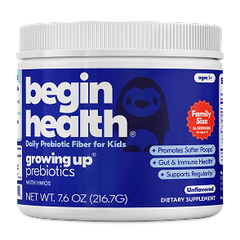
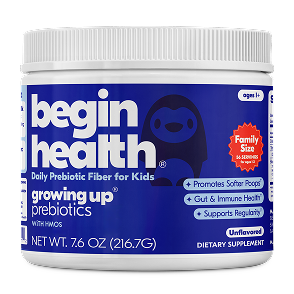
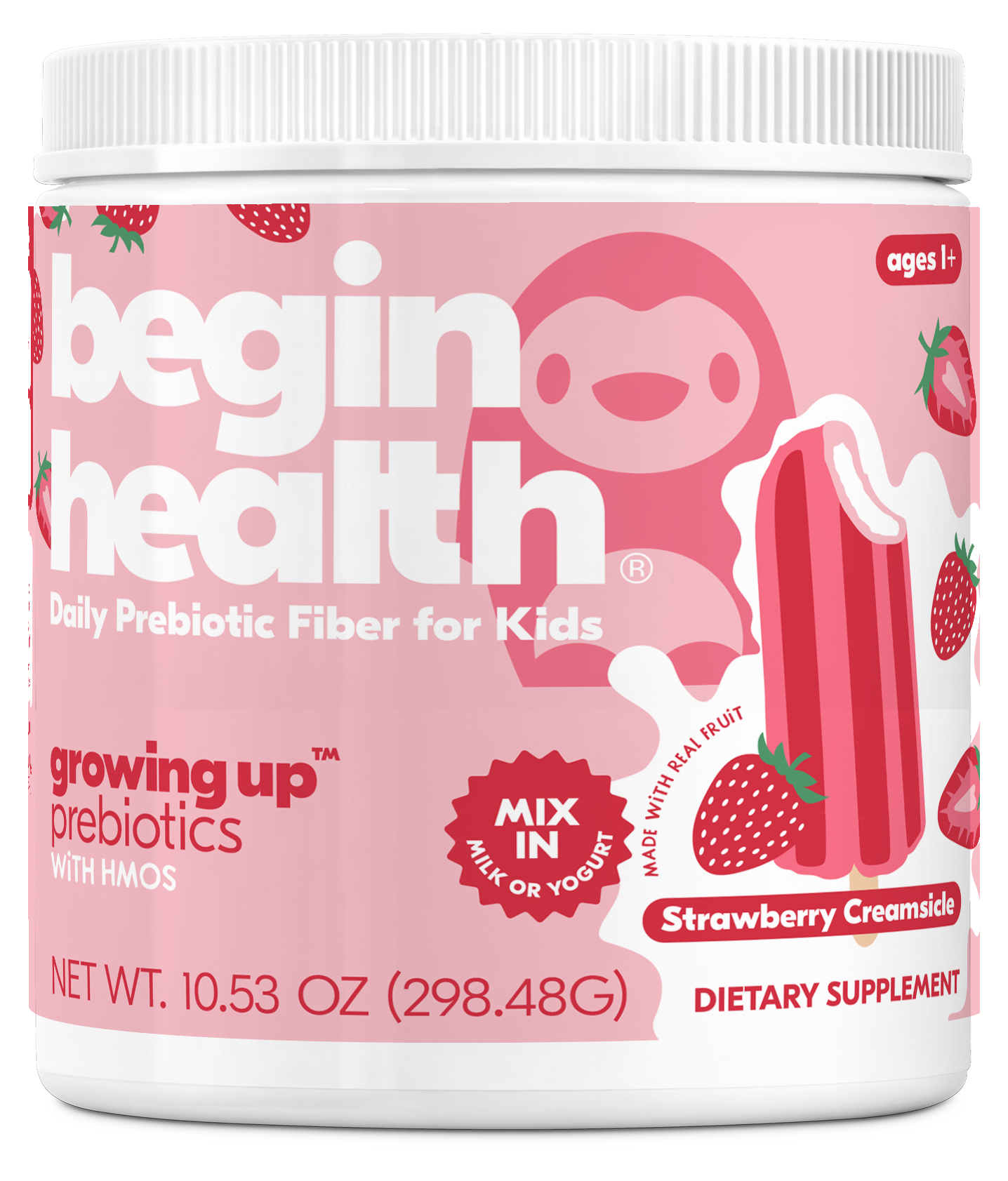
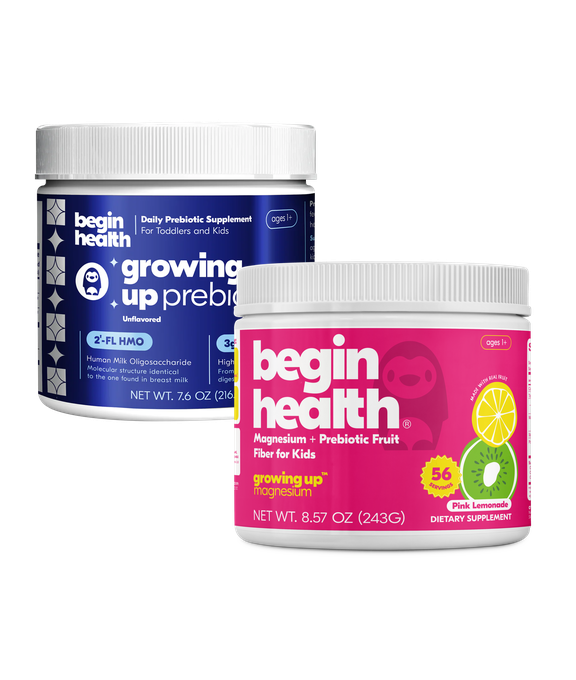
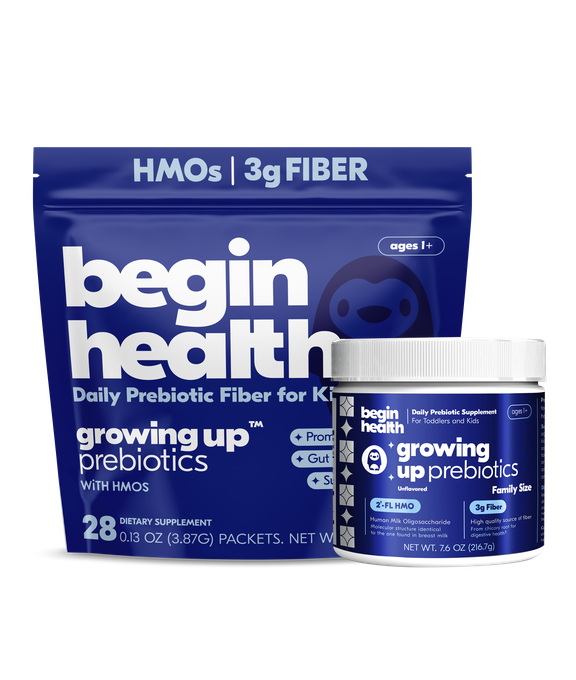
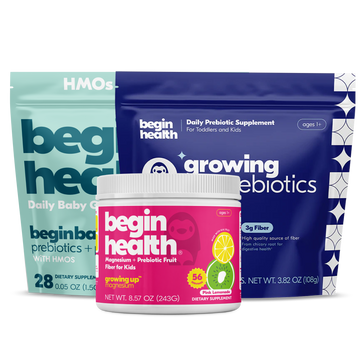
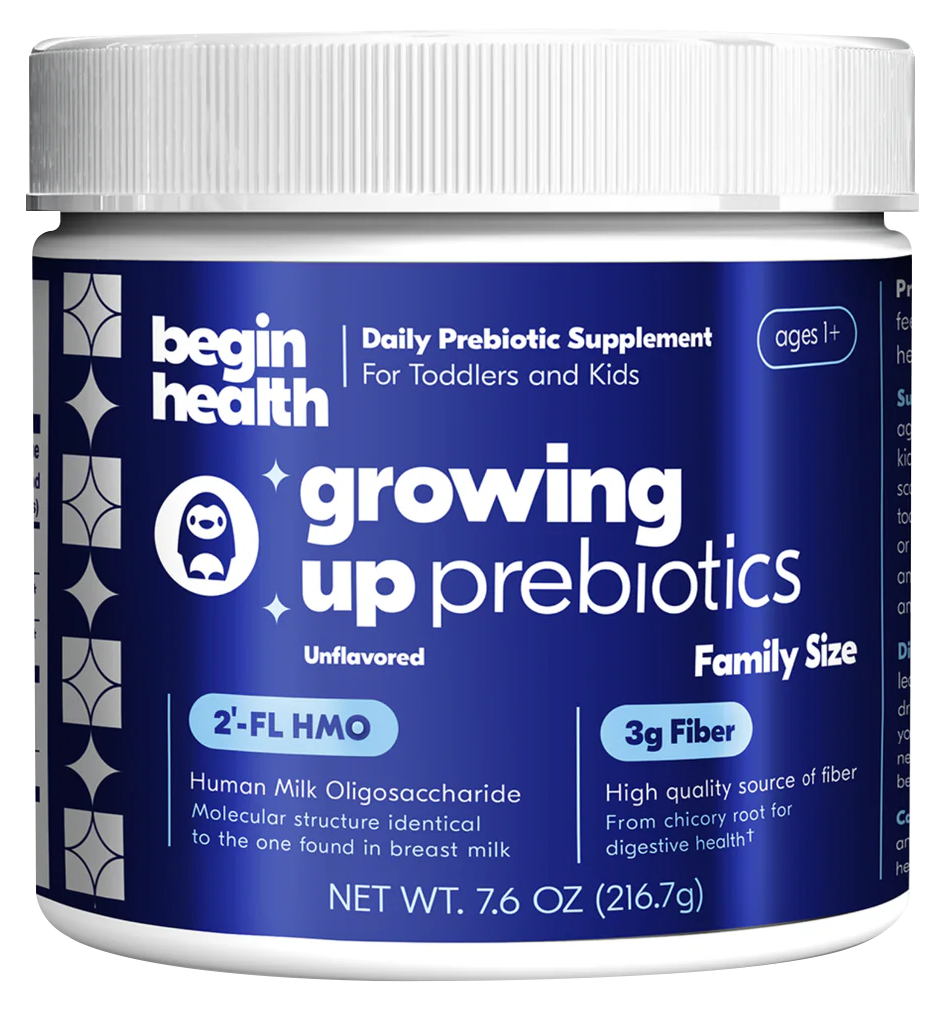
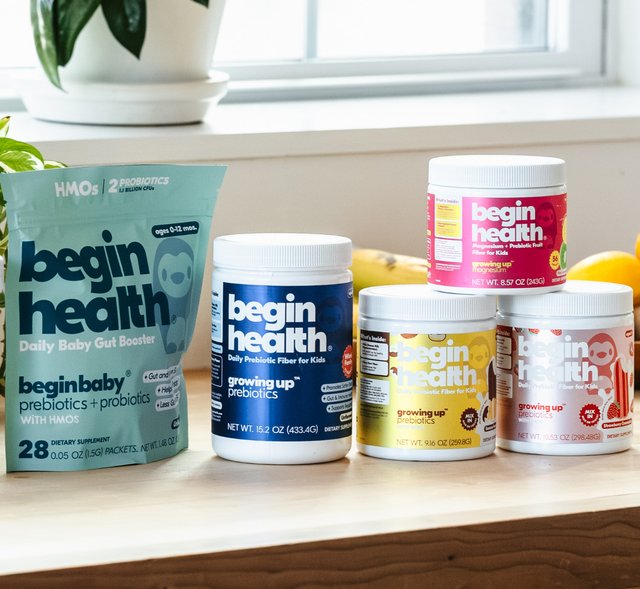
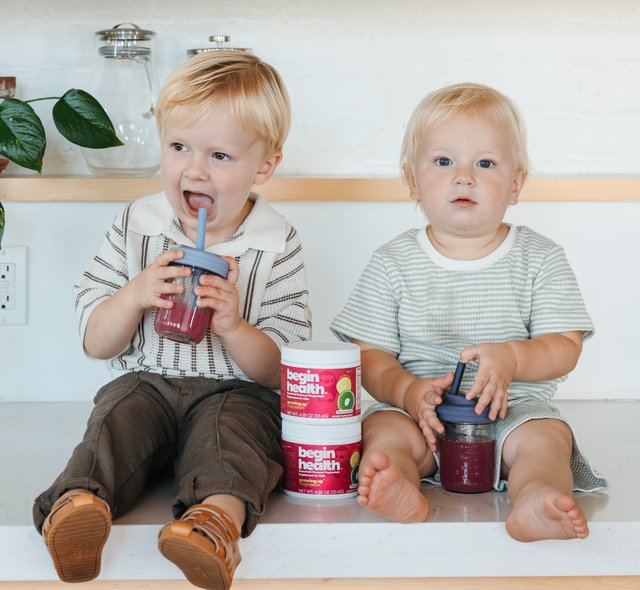
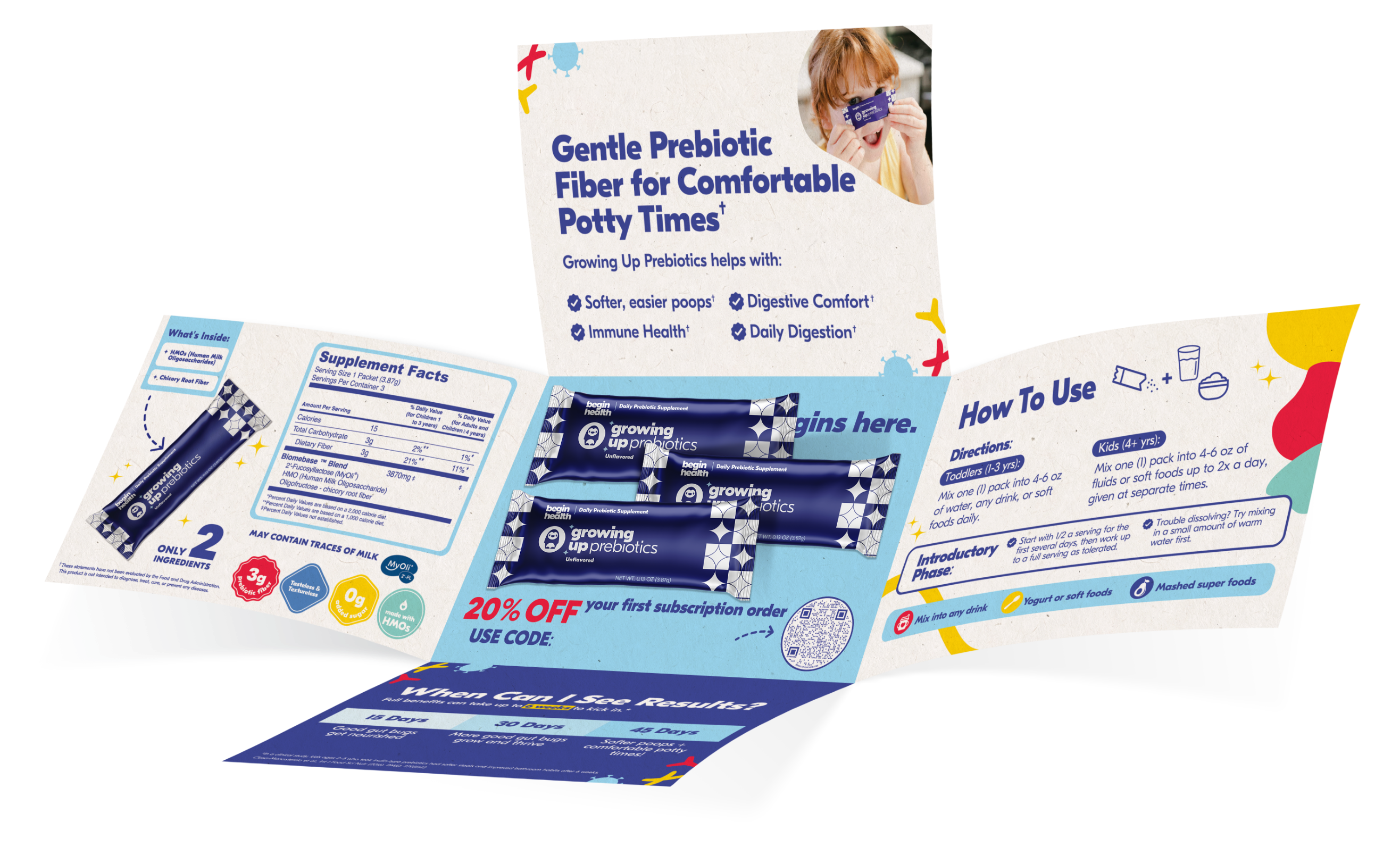
For extra support, you can add supplements to improve overall gut health. Formulated with human milk oligosaccharides (HMO), Begin Health's Daily Growing Up™ Prebiotics supports the microbiome by boosting good bacteria for healthy digestion and a healthy gut. Parents can mix our flavorless, allergen-friendly powder with their kiddo's favorite food or drink for a healthy dose of gut-friendly prebiotics.

Author
May Zhu, RDN


-
Buy Now

Join the
Happy Gut Club
Daily reads to help your little ones lead happier and healthier lives.

