


 Login / Create Account






Why Some Kids Poop Right After Eating (And What It Means)
share this article
If your little one poops right after eating, you’re definitely not alone. Many kids do, and in most cases this is normal and not a sign of a problem.
Still, it can feel surprising. Especially if it happens after every meal or feels sudden and urgent. It’s normal to wonder if a certain food is causing it or if something is wrong with their little one’s digestion. The good news is that this pattern is often linked to how a kid's digestive system works. Not an illness; not something you caused.
In this article, we will explain why some kiddos poop right after eating. You will learn when this is considered normal, when it may be worth a closer look, and what signs to watch for. We will also share simple, gentle ways to support healthy digestion at home.
Daily reads to help your little ones lead happier and healthier lives.
Join the
Happy Gut Club

Is It Normal For A Kid To Poop Right After Eating?
In short: yes, often it is normal. There is a normal gut response called the gastrocolic reflex.
In simple terms, when your little one eats, the stomach sends a signal to the intestines. That signal tells the bowels it is time to move things along. This reflex tends to be stronger in kids. Their digestive systems are still maturing, so they respond more quickly to food. That’s why some feel the urge to poop soon after meals.
The pattern is usually healthy when stools are soft but formed, when your little one is not in pain, and they are growing and eating well. In these cases, pooping after meals is often just your little one’s normal rhythm.
The Most Common Reasons Kids Poop Right After Meals
In most cases, pooping after meals has more to do with how their digestive system responds to food than with anything being wrong. Understanding these common reasons can help you feel more at ease and make it easier to spot when a pattern is normal versus when it may need a closer look.
A Strong Gastrocolic Reflex
When your little one eats, the stomach sends a signal to the colon - as it does for the intestines. That signal tells the bowel it is time to move stool along. Some kiddos have a stronger reflex, so the urge to poop shows up quickly after meals. Comfort and stool shape matter more than timing.
Developing Digestive Timing
A kiddo’s digestive system is still learning its rhythm. Signals between the brain and the gut are not fully coordinated yet. Because of this, some kiddos need to poop soon after meals while their body is still figuring out timing and control. Consistent routines and patience from you can help as their body finds its rhythm.
Certain Foods Speed Things Up
Some foods move through the gut more quickly. Fruit, juice, whole grains, and foods higher in sugar can all stimulate bowel movement. For some kiddos, eating these foods makes the urge to poop show up soon after a meal. Look for patterns in this response, rather than avoiding foods right away.
Large Meals or Eating Quickly
Big meals can stretch the stomach more than smaller ones. Eating very fast can do the same. Greater stretching sends a stronger signal to the gut, which can trigger the urge to poop right after eating. Slower, more relaxed meals can help - this is where your guidance comes in..
Anxiety or Anticipation Around Meals
Your kid’s feelings can affect their digestion. When your little one feels nervous or excited, the gut can become more active. This is common before school, daycare, or activities. For some kiddos, those nerves can trigger the urge to poop soon after eating. Notice whether this happens more during busy or emotional times of day.
Constipation With Overflow Stool
Constipation does not always look like hard, infrequent poop. Sometimes stool builds up quietly in the colon. When your little one eats, the gut gets a signal to move. That movement can push softer stool around the backed-up poop, leading to sudden urgency or loose stools after meals.
This can be confusing for parents. It may look like diarrhea, but the root issue is often stool sitting in the colon. Regular hydration, fiber-rich foods, and routine bathroom time can help support regular bowel habits.
Food Sensitivities (Not Allergies)
Some kids are sensitive to certain foods, even without a true allergy. Dairy, lactose, or specific fruits can make the gut move faster. This may cause a kiddo to feel the urge to poop shortly after eating those foods. You can help by tTracking foods and symptoms before making changes.
Recent Illness or Antibiotic Use
A recent illness can temporarily change how the gut works. Antibiotics can also shift the balance of gut bacteria. During this time, some kiddos may poop more quickly after eating as their digestion settles back into its usual rhythm. This often settles as the gut returns to its usual balance.
Normal Variation Between Kids
Every kiddo has their own “normal”. Some poop more often or feel the urge sooner after meals. If your little one is comfortable, growing well, and stools look typical for them, this pattern may simply be how their body works - their “normal”. If you’re ever worried about it, you can always speak with the your kiddo’s pediatrician.
Red Flags: When Pooping Right After Eating Is Not Normal
Pooping after meals is often harmless. Still, there are times when it is worth taking a closer look. These signs are about awareness, not alarm.
Pain or Distress With Bowel Movements
If your kiddo cries, holds their belly, or seems uncomfortable when pooping, that is very likely not normal. Avoiding meals or the bathroom can also be a clue that something does not feel right.
Chronic Diarrhea or Very Loose Stool
Poop that is very loose or watery most days is not typical. If this pattern lasts longer than two weeks, it’s a good idea to check in with your pediatrician.
Blood, Mucus, or Greasy Stool
Changes in how poop looks can offer helpful clues about what is going on in your kiddo’s gut. Most changes are not emergencies, but some are worth paying closer attention to.
-
Bloody Stool: Blood may show up as red streaks or small spots on the poop or toilet paper, which should be shared with your pediatrician.
-
Mucus In The Stool: Mucus can look slimy or jelly-like and may signal irritation in the gut that deserves a closer look.
-
Greasy or Oily Stool: Greasy stool may float, look shiny, or have a strong odor, which can suggest that fat is not being fully digested.
If you notice any of these changes, record take note of how often they happen and what else is going on. Reaching out to your pediatrician can help you understand what they mean and whether any next steps are needed, and your notes will be valuable.
Poor Growth or Low Energy
If your kiddo seems more tired than usual, eats much less, or is not growing as expected, those changes matter. Unusual Poop patterns combined with low energy or slowed growth should be checked by a healthcare provider.
Accidents After Being Potty Trained
New accidents after potty training can be a sign that stool is being held in the colon. This often goes along with constipation, even if the poop looks loose at times.
Known Digestive or Medical Conditions
If your kiddo has a known digestive or medical condition, changes in poop patterns are important to notice. Even small shifts can offer useful clues.
-
Food Allergies or Sensitivities: Changes in stool timing, texture, or comfort may signal that a food is not sitting well with your little one.
-
Celiac Disease or Gluten Sensitivity: Ongoing loose, bulky, or greasy stools can sometimes show up when digestion is affected.
-
Chronic Gut Issues: Conditions like ongoing constipation or tummy pain can make poop patterns less predictable.
If your kiddo has any of these conditions and the patterns change, it is a good idea to check in with your pediatrician. And - if something feels off at any point, it is always okay to reach out for guidance.
What Parents Can Do At Home
There are simple, gentle ways to support your kiddo at home. These steps focus on understanding patterns and supporting digestion, not fixing or forcing anything. Small changes over time can make a big difference and help you feel more confident as you watch how things settle.
Notice the Pattern, Not One Meal
Try to zoom out and look at the overall picture. Pay attention to when your kiddo poops, what the stool looks like, and how they feel before and after. Patterns matter more than frequency. A kid who poops right after meals but feels comfortable and energetic is very different from a kid who seems uncomfortable or avoids the bathroom.
Keeping a simple mental or written note for a week or two can be helpful. If you decide to talk with your pediatrician, these observations can make the conversation clearer and more productive.
Support Daily Hydration
Water plays a big role in digestion. It helps stool stay soft and move through the gut more comfortably. Offer it regularly throughout the day, not just at meals.
For many kiddos, small, frequent sips work better than large amounts all at once. You can also watch for signs of good hydration, like light-colored urine and regular bathroom trips.
Balance Fiber Intake
Fiber supports healthy bowel movements, but balance is key. Too little fiber can slow things down, while sudden increases in fiber intake can lead to urgency or loose stools.
Aim for steady fiber from foods like fruits, vegetables, beans, and whole grains. If you are adding more fiber, do it gradually and pair it with plenty of fluids.
If poop patterns change after diet shifts, that is useful information to note rather than a reason to worry.
Encourage Calm, Unrushed Meals
How your kiddo eats matters just as much as what they eat. Fast or rushed meals can overstimulate the gut and trigger a stronger urge to poop.
When possible, aim for relaxed meals without pressure. Sitting down, chewing slowly, and taking breaks can help digestion stay more balanced.
This can be especially helpful for kiddos who tend to rush through meals before school or activities. Provide them enough time to get to the table, to eat calmly - and at their own pace.
Build A Predictable Bathroom Routine
Routine helps the gut learn when it is time to go. Sitting on the toilet for a few minutes after meals takes advantage of the body’s natural signals.
This is not about forcing a bowel movement. It is about giving your kiddo a calm, pressure-free opportunity to listen to their body.
Over time, predictable bathroom habits can help your little one feel more comfortable and confident around pooping.
The Pooping After Eating and Constipation Connection
This connection is often missed. Constipation does not always mean hard poop or days without going. In many kiddos, stool can build up quietly in the colon without obvious signs.
When your kid eats, the colon gets a signal to move. That movement pushes out what is already there. If stool has been sitting in the colon, softer poop may come out quickly after meals. This can look like diarrhea, even though constipation is underneath.
Supporting regular bowel habits can help. Focus on steady hydration, fiber-rich foods, daily movement, and a predictable bathroom routine.
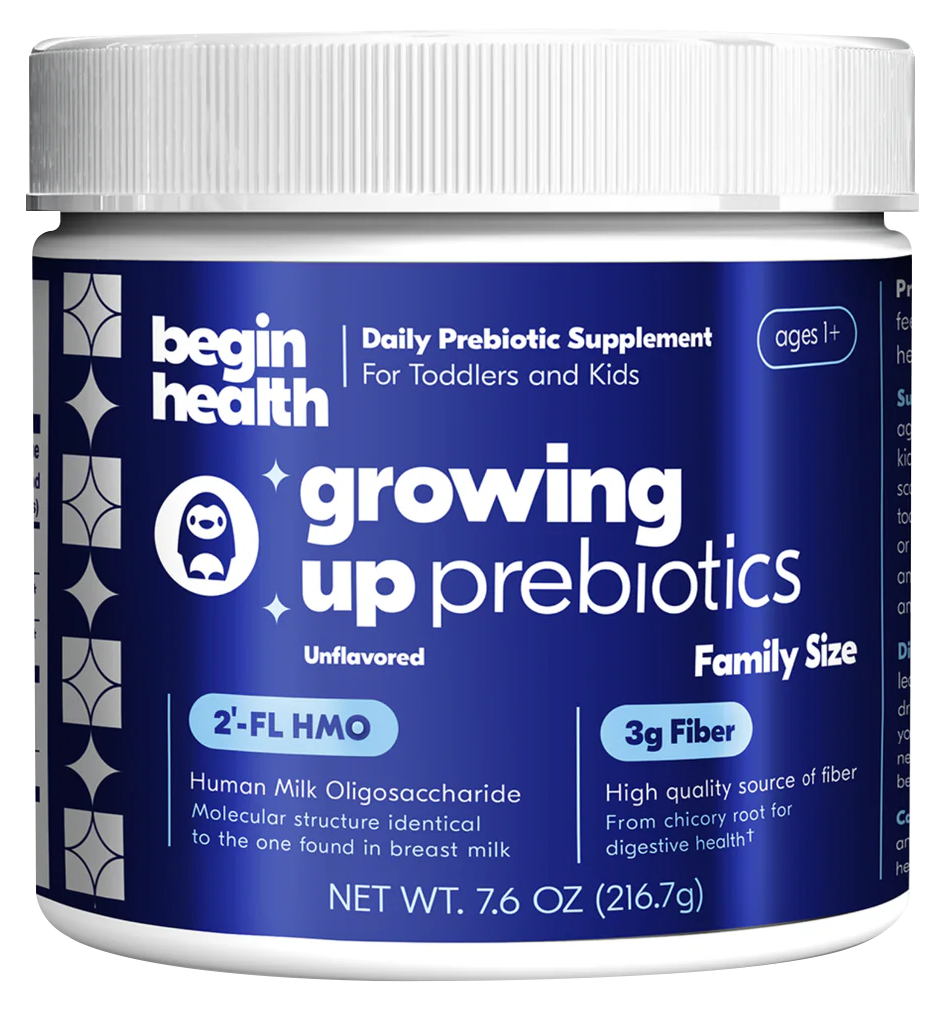
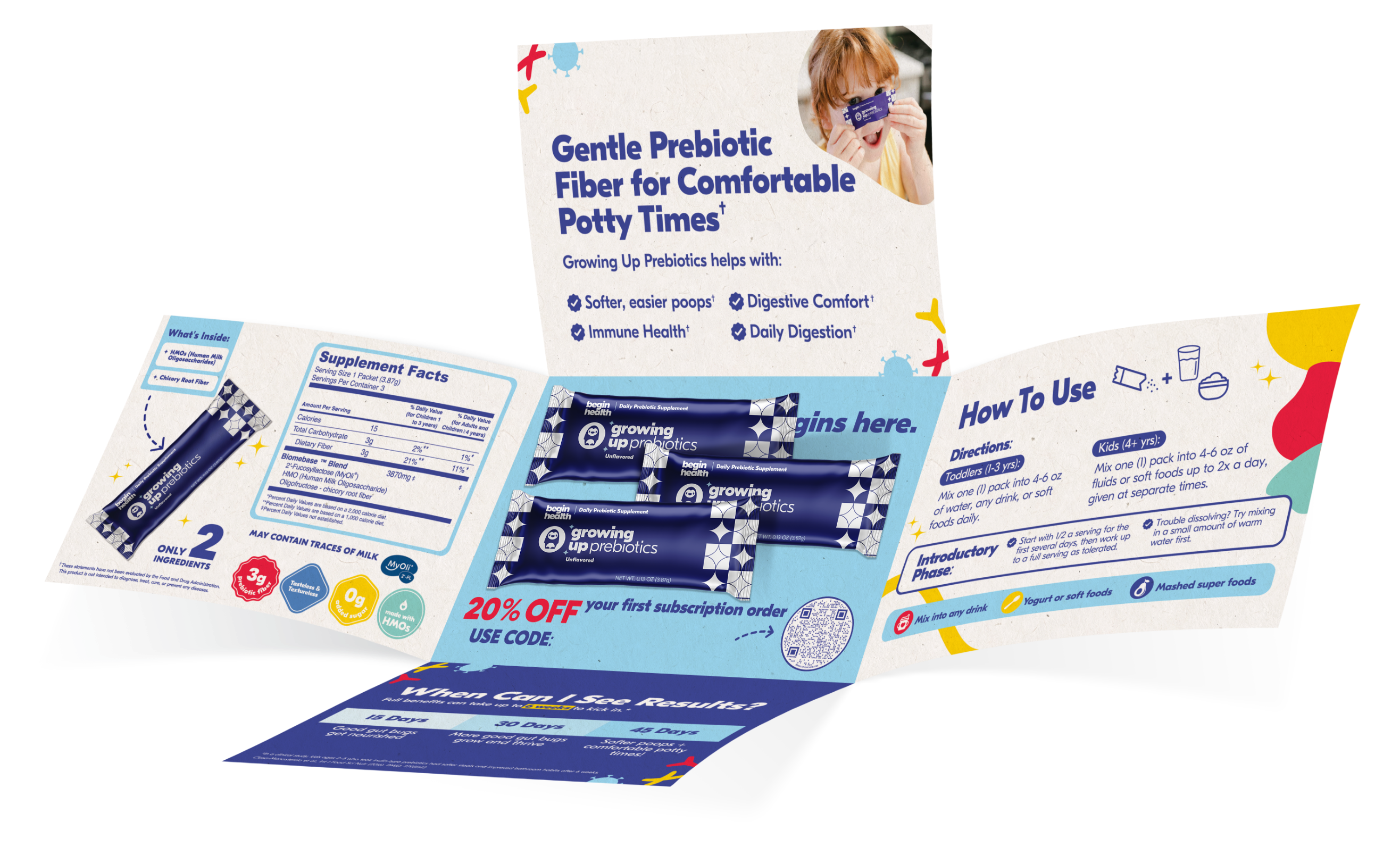
Some families also use gentle prebiotic fiber to help support regularity over time. These fibers feed helpful gut bacteria and support normal stool movement, without acting like a laxative.
When To Call The Pediatrician
Most of the time, pooping after meals is not a cause for concern. Still, there are situations where it makes sense to check in with your pediatrician. Reaching out does not mean something is wrong. It means you are paying attention and advocating for your kiddo.
-
Ongoing Distress: If your little one cries, strains, holds their belly, or seems uncomfortable when pooping, that deserves a closer look.
-
Chronic Diarrhea or Constipation: Poop that is very loose or very hard most days, especially if it lasts more than two weeks, is worth discussing with a provider.
-
Blood or mucus in the stool: Blood may look red or dark. Mucus can appear slimy or jelly-like. These changes should be checked by a pediatrician.
-
Poor Growth or Noticeable Appetite Changes: If your kiddo is eating much less, losing weight, or not growing as expected, bowel changes should not be ignored.
-
Frequent Accidents After Potty Training: New accidents can be a sign of stool being held in the colon, even if the poop looks loose at times.
-
Your Parent Instinct: If something feels off, trust that feeling. You do not need to wait for multiple symptoms to ask for guidance.
Your pediatrician is there to help. Checking in can offer reassurance, rule out concerns, and give you clear next steps if needed.
FAQ
Why does my kid poop right after eating every time?
Eating triggers a normal gut reflex that tells the bowels to move. Some kids have a stronger response, so they feel the urge to poop soon after meals.
Is pooping after meals a sign of constipation?
It can be. In some cases, stool builds up in the colon and eating pushes softer stool out. This does not happen to every kid, but it is a common and often missed pattern.
Can anxiety cause kids to poop after eating?
Yes. The gut is very sensitive to emotions. Excitement, nerves, or stress can make the bowels more active, especially before school or activities.
Is this related to food sensitivity?
Sometimes. Certain foods like dairy, lactose, or fruit can make the gut move faster in some kiddos, even without a true allergy.
Should I change my kid’s diet?
Not right away. It is usually better to watch patterns first. If concerns continue, your pediatrician can help decide if diet changes make sense.
Is this normal in toddlers but not older kids?
It is more common in toddlers, but some older kids still have a strong reflex. If your kid is comfortable and growing well, it may still be normal.
When should I worry about poop timing?
If pooping after meals comes with pain, blood, poor growth, frequent accidents, or major changes in energy or appetite, it is time to check in with a pediatrician.
Big Picture
Seeing your kiddo poop right after eating can catch you off guard. In many cases, it is simply a sign that their gut is responsive and doing what it is designed to do.
Try to focus on patterns rather than one meal or one day. How your little one feels, how the poop looks, and whether they are growing and thriving matter more than timing alone.
At home, keep things simple. Support good hydration, offer balanced meals, and stick with steady routines. These basics go a long way in supporting healthy digestion.
If concerns grow, symptoms change, or something just does not feel right, reach out to a trusted provider. You do not have to figure it out on your own.

Author
David Madsen, PhD
Trending


-
Buy Now
Join the
Happy Gut Club
Daily reads to help your little ones lead happier and healthier lives.
Trending