


 Login / Create Account






Healthy Sugar Swaps for Kids: Better Sweeteners Without the Crash
share this article
Most parents worry less about whether kids enjoy sweetness and more about what too much added sugar can do, like energy crashes, tummy troubles, and habits that feel hard to unwind later. It’s a common concern, especially when sugar seems to show up everywhere.
The good news is you don’t have to remove sweetness entirely to support your little one’s health. Swapping refined sugar for more natural options can keep foods enjoyable while offering fiber, nutrients, and gentler energy throughout the day.
Why should I limit added sugar for my kid?
Too much added sugar can affect energy, digestion, and long-term eating patterns.
Highly refined sugars are absorbed quickly, which often leads to short bursts of energy followed by crashes. Over time, frequent sugar spikes can make it harder for kids to feel steady and satisfied after meals.
Using whole-food sweeteners slows down how sugar enters the body and often adds helpful nutrients or fiber along the way. That balance matters more than cutting sweetness altogether.
Are natural sweeteners better than refined sugar?
Natural sweeteners tend to offer fiber or nutrients that refined sugar doesn’t.
Whole-food sugar swaps still contain sugar, but they usually come packaged with fiber, minerals, or natural compounds that help moderate how the body responds. This often supports better digestion and steadier energy.
These options also help kids get used to flavors that aren’t overly intense, which can shape preferences over time.
What are the best sugar swaps for kids?
Several whole-food sweeteners work well in everyday meals and snacks.
Each option has strengths depending on how you plan to use it.
Ripe bananas work especially well in baking and smoothies. Their natural sweetness, fiber, and soft texture help replace added sugar while also acting as a binder in muffins, pancakes, or oatmeal.
Medjool dates are another fiber-rich option, often used in energy bites or baking. Blending soaked dates into a paste creates a versatile sweetener that mixes easily into batters or snack recipes.
Unsweetened applesauce is a common swap in baked goods. It adds moisture, gentle sweetness, and a bit of fiber, making it useful in muffins, cakes, and cookies.
Raw honey is often used in drinks, yogurt, or dressings. It has a stronger flavor than sugar, so smaller amounts usually do the job. Honey should only be offered to kids over one year old.
Pure maple syrup works well for pancakes, oatmeal, and baking. Its richer taste means you can often use less, and it contains small amounts of naturally occurring minerals.
Coconut sugar is frequently used as a 1:1 replacement for white or brown sugar. It has a familiar flavor and contains small amounts of inulin, a type of fiber, though it should still be used in moderation.
Monk fruit sweetener offers sweetness without added sugar. Because it’s very concentrated, only small amounts are needed. Parents may want to check labels carefully, as some products include additional fillers.
Blackstrap molasses has a strong flavor and is best used sparingly. It’s commonly added to spice-based recipes like gingerbread or sauces and contains naturally occurring minerals.
Are there sugar alternatives I should avoid?
Some sweeteners are best limited or avoided for kids.
Fruit juice concentrates remove the fiber found in whole fruit and can lead to quick sugar absorption. Artificial sweeteners may disrupt digestion for some kids and don’t support healthy taste development.
Sticking with whole-food options tends to be the gentlest approach.
How does gut health fit into sugar choices?
Fiber-containing sweeteners support digestion better than refined sugar.
Fiber feeds beneficial gut bacteria, which play a role in regular digestion and comfort. For kids who struggle with picky eating or inconsistent fiber intake, this can make a noticeable difference.
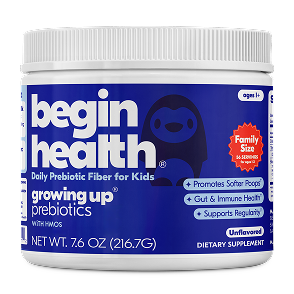
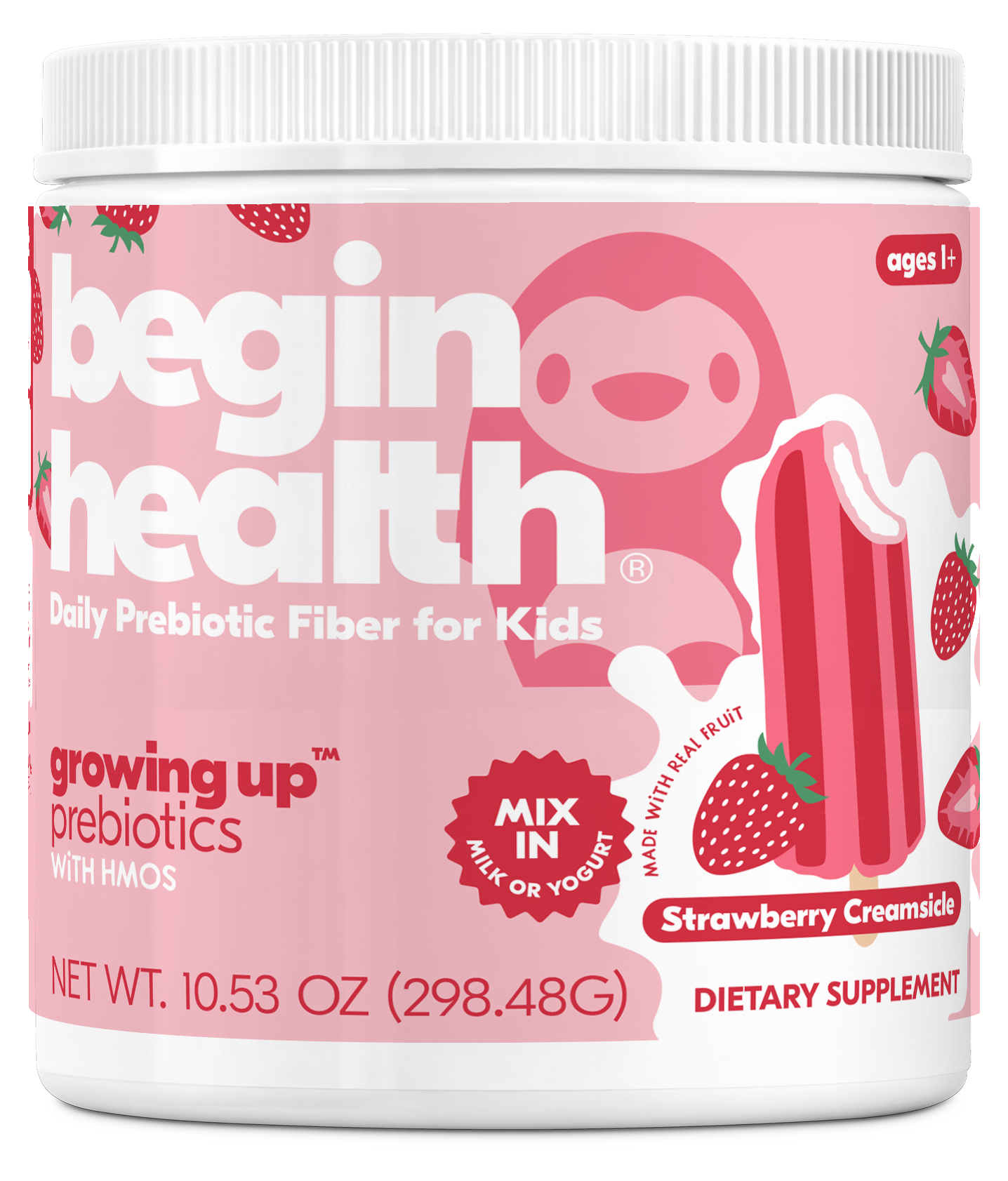
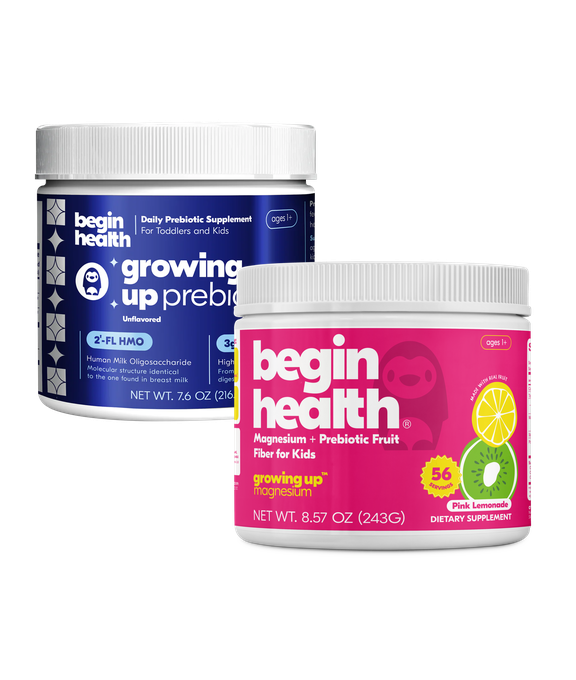
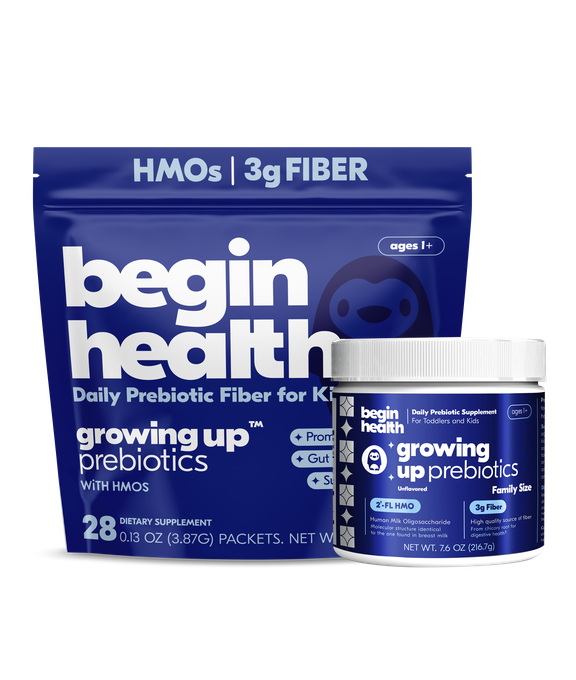
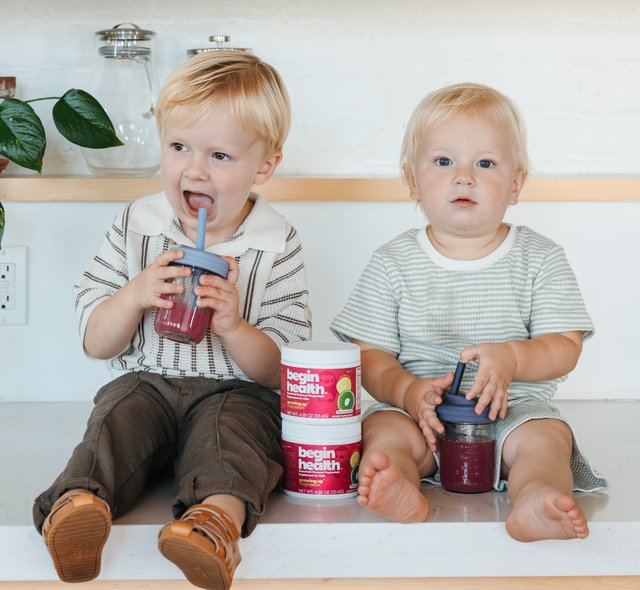
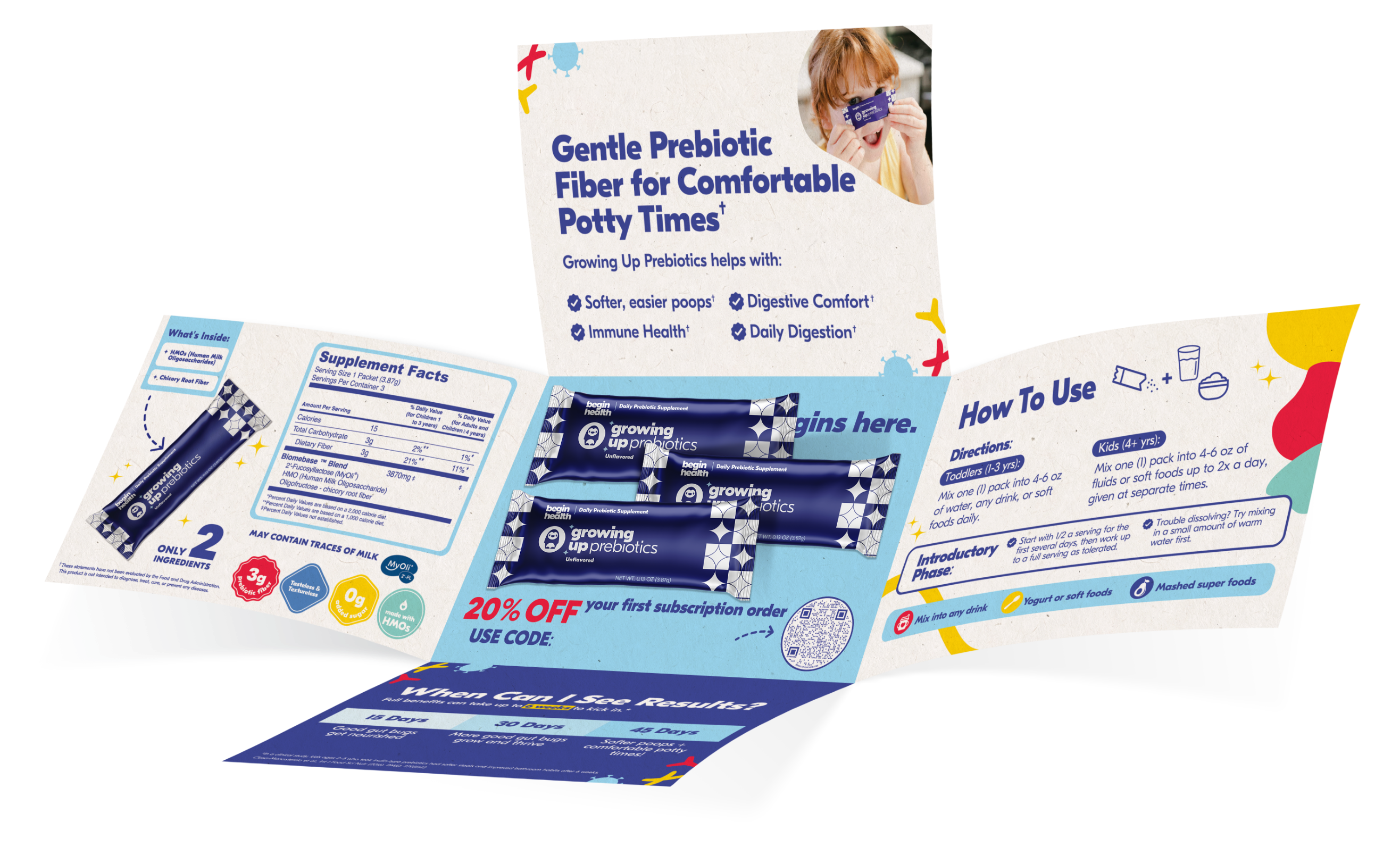
Some families also choose toddler-safe prebiotic supplements to support gut health alongside food changes. Begin Health’s prebiotic products are designed to mix easily into drinks or meals without changing taste, which can help fill small gaps without turning food into a struggle.
The takeaway
Kids don’t need refined sugar to enjoy sweet foods. Whole-food sugar swaps like bananas, dates, applesauce, honey, and maple syrup can add sweetness while supporting digestion and steadier energy. Small, consistent swaps often work better than strict rules.
FAQs
Do natural sweeteners still count as sugar?
Yes, but they’re usually absorbed more slowly and often include fiber or nutrients.
Can I bake with these sugar swaps?
Many of them work well in baking, though textures may change slightly.
Is honey safe for toddlers?
Honey is safe for kids over one year old.
How much sweetness is okay for kids?
Moderation matters more than perfection. Focus on balance across the day.
What if my kid only likes very sweet foods?
Gradual swaps help reset taste preferences over time.
Related Articles
-
The 3 F’s for Toddler Constipation: Fiber, Fluids, and Fitness
-
Foods That Help Toddlers Poop Naturally
-
How to Support Gut Health in Picky Eaters
-
Prebiotics for Toddlers: When and Why They Help
-
Healthy Snack Ideas for Kids Who Love Sweet Foods

Author
Begin Nutrition Team


-
Buy Now

Join the
Happy Gut Club
Daily reads to help your little ones lead happier and healthier lives.

