


 Login / Create Account


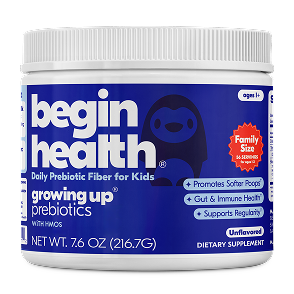
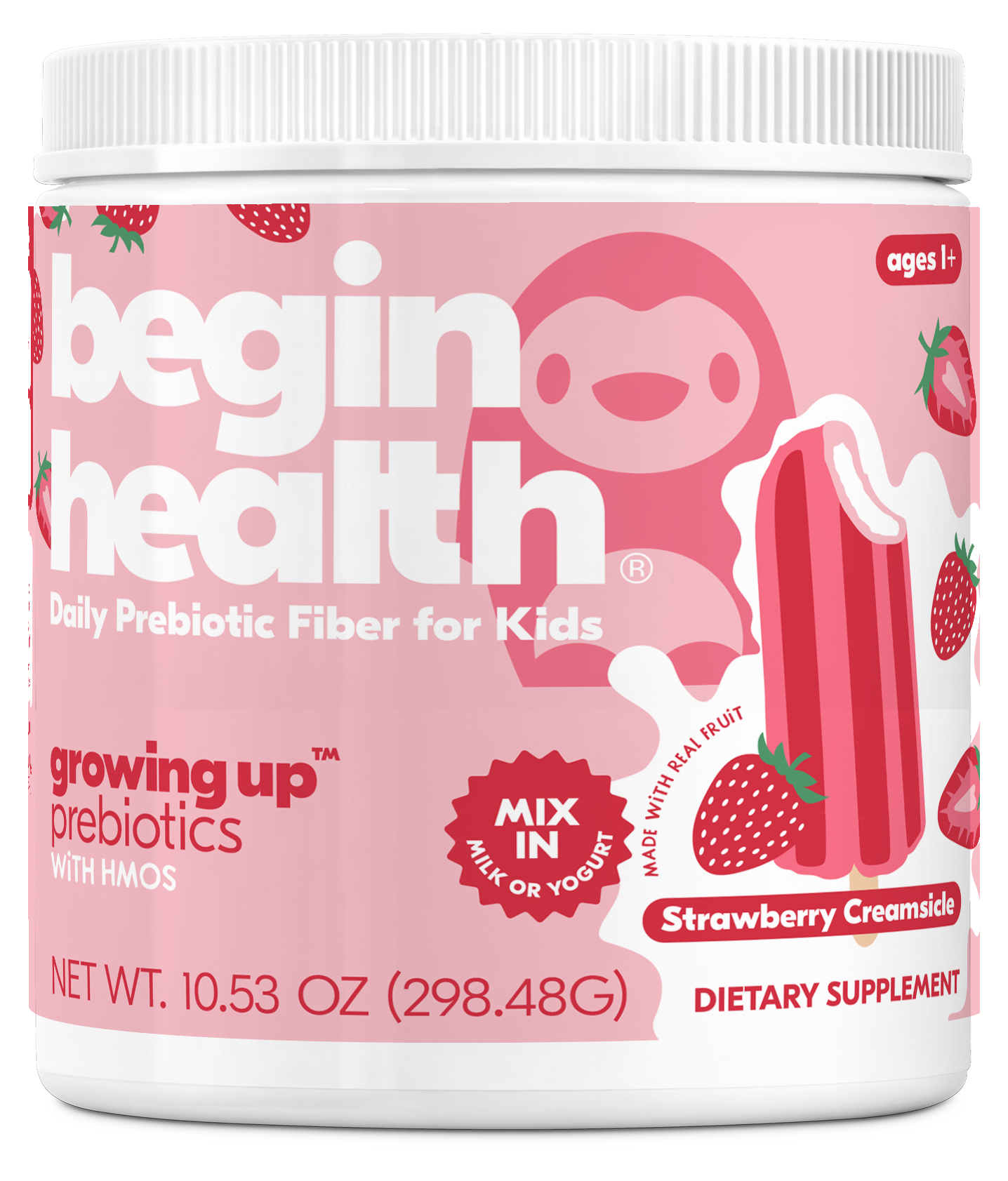
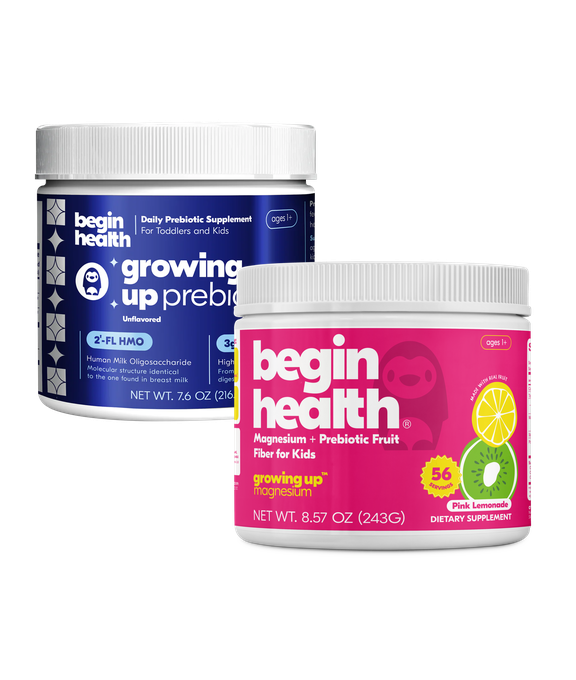
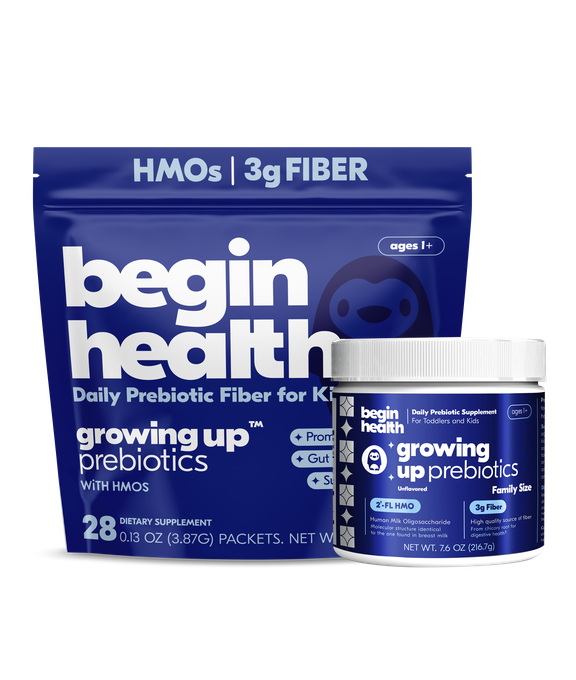






Why Begin Health Never Uses Maltodextrin
share this article
As parents, you want to feel confident about what your kiddo is eating. Ingredient lists can feel overwhelming, especially when products are marketed for growing bodies.
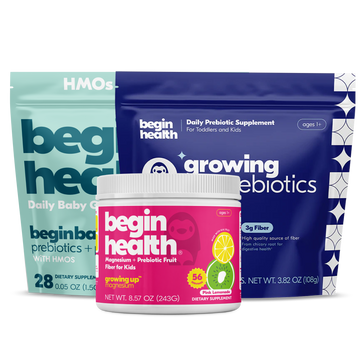
At Begin Health, we take that responsibility seriously. We’re thoughtful about every ingredient we include, and just as intentional about what we leave out. One ingredient we’ve chosen not to use is maltodextrin. Here’s why.
What Is Maltodextrin?
If you’ve ever read a food or supplement label and noticed maltodextrin, you’re not alone. It shows up in many products made for kids.
Maltodextrin is a highly processed carbohydrate made from starch, often corn, rice, potato, or wheat. Food manufacturers commonly use it as a thickener, filler, or carrier. It helps powders mix smoothly and adds bulk without much flavor.
The Food and Drug Administration classifies maltodextrin as “generally recognized as safe.” That designation means it’s allowed for use. It doesn’t mean it’s nutritionally beneficial or necessary for everyday use, especially if your goal is simple, minimally processed nutrition.
Daily reads to help your little ones lead happier and healthier lives.
Join the
Happy Gut Club

Quick Facts For Parents:
-
Nutritionally, it’s similar to sugar - about 4 calories per gram.
-
It can spike blood sugar even faster than table sugar.
-
It offers minimal nutrients - no fiber, vitamins, or minerals - just refined carbs.
Why Begin Health Chooses Not To Use Maltodextrin
We get asked all the time: why doesn’t Begin Health use maltodextrin? There are four main reasons underlying our decision:
It Can Spike Blood Sugar
Maltodextrin is digested and absorbed very quickly, which means it can have a strong impact on your little one’s blood sugar. That quick spike can lead to the classic “sugar rush” and energy crash that no parent enjoys. Families mindful of balanced energy, stable moods, or metabolic health, may want to avoid this ingredient.
At Begin Health, we’d rather fuel steady, calm energy, not sugar-spike rollercoasters.
Gut and Microbiome Concerns
Emerging research suggests that maltodextrin may disrupt the balance of healthy bacteria in the gut and even make it easier for less-friendly bacteria (like Escherichia coli and Salmonella species) to stick around.
One review suggests that consumption of the food additive maltodextrin “may be a risk factor for the inflammatory bowel disease-prone population, as well as a factor promoting chronic low-grade intestinal inflammation leading to metabolic abnormalities in the general population”.
It may also promote adhesion of bacteria like E. coli or survival of pathogens like Salmonella.
Minimal Nutritional Value
When it comes down to it, maltodextrin doesn’t bring anything valuable to the table. It’s a refined carbohydrate with no fiber, vitamins, or minerals - just empty calories. We’d rather use every ingredient to add meaningful nutrition. That means focusing on nutrients and prebiotic fibers that actively support your kiddo’s gut health and growth.
Ingredient Quality and Processing Philosophy
Maltodextrin is completely legal and incredibly common. It can be found in everything from snacks to vitamins. But “common” doesn’t mean “better.”
At Begin Health, we believe clean nutrition means using fewer, higher-quality ingredients - ones you can pronounce and feel good about. We hold ourselves (and our suppliers) to that standard because parents deserve total transparency about what their kiddo is eating.
What This Means For Our Products
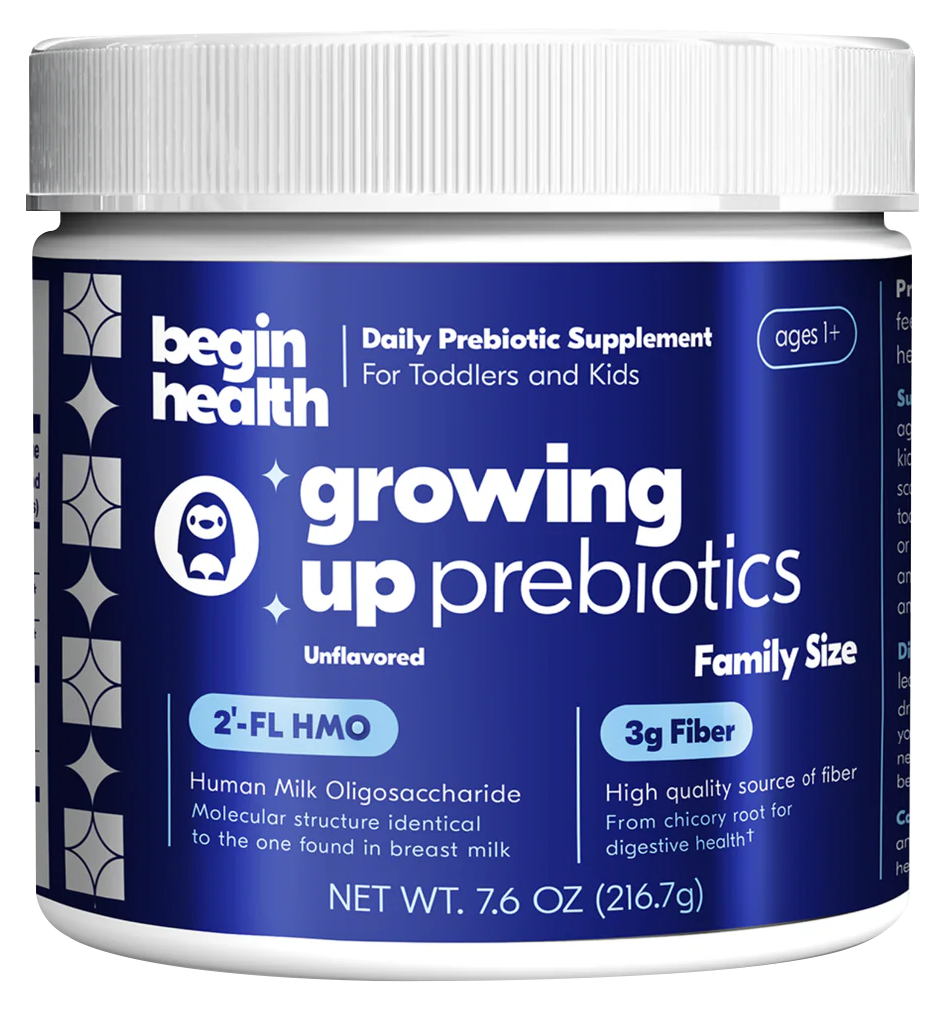
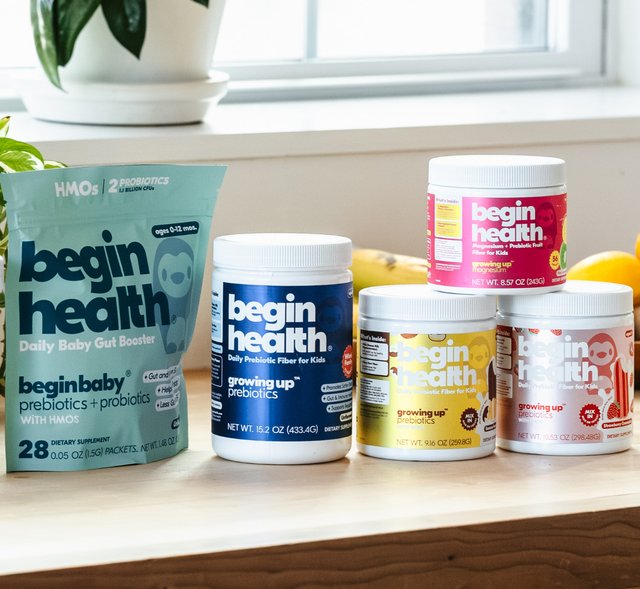
When you pick a Begin Health product, you can feel confident that:
-
We have opted out of using maltodextrin as an ingredient.
-
Carbohydrates or sweetening elements in our products come from consciously chosen sources with nutritional intent.
-
We use gut-friendly, nutrient-rich, minimally processed ingredients only.
-
We prioritize stable energy and metabolic support.
Daily reads to help your little ones lead happier and healthier lives.
Join the
Happy Gut Club
Who Should Avoid Maltodextrin and Why It Matters for Families
While maltodextrin is considered safe for most people in small amounts, some groups may benefit from skipping it - especially when it’s part of a daily routine. For example:
-
Little Ones With Developing Guts: A baby or toddler’s digestive system and microbiome are still growing and finding balance. Consuming fewer processed additives may give their good gut bacteria a better chance at thriving.
-
Families Mindful Of Blood Sugar: Maltodextrin can raise blood sugar quickly, which isn’t ideal for children (or adults) working to keep energy levels steady throughout the day.
-
Parents Focused On Clean, Simple Nutrition: If you’re choosing products with short ingredient lists and recognizable names, avoiding maltodextrin fits right in with that “less is more” mindset.
-
Kids With Sensitive Stomachs or Gut Issues: For children prone to bloating, constipation, or tummy troubles, sticking with gentle, microbiome-friendly ingredients can make a world of difference.
Key Takeaways
-
At Begin Health, our choice to leave out maltodextrin isn’t about being trendy or chasing a vibe. It’s about being thoughtful. It’s rooted in both science and philosophy: we prioritize gut health, steady energy, and ingredient integrity in every formula.
-
We know parents have enough to juggle, and worrying about hidden additives shouldn’t be one of them. We’re making it simpler to choose clean, evidence-based nutrition that supports your kiddo’s gut health today and for years to come.
-
If you ever have questions about what’s inside (or what’s not), we’re always here to talk through every ingredient and the “why” behind it.

Author
David Madsen, PhD
Trending


-
Buy Now
Join the
Happy Gut Club
Daily reads to help your little ones lead happier and healthier lives.
Trending