




 Login / Create Account



















Magnesium Oxide for Kids: Benefits, Dosage, and Safety Tips
share this article
 When your kiddo is dealing with constipation, it's natural to look for options that feel both effective and safe. In that search, magnesium oxide for kids often comes up as a potential way to ease discomfort and support more regular bowel movements.
Magnesium oxide has a long history of clinical use for softening stools; however, understanding how it works, when it's appropriate, and how it compares to other options is crucial before considering it for your little one.
Magnesium supports digestive function and muscle activity in the gut, yet supplements shouldn’t replace a balanced diet or medical advice. A food-first mindset and personalized guidance from a pediatrician or qualified medical specialist make a big difference when making decisions about magnesium.
Why do parents consider magnesium oxide for kids?
Constipation is common in kids, and it often shows up as hard stools, skipped bowel movements, or discomfort during bathroom trips. These patterns can occur during toilet learning, routine changes, travel, illness, or dietary shifts.
For kids, constipation usually means less than three bowel movements in a week. You might also notice belly discomfort, straining, or bathroom avoidance because it doesn’t feel comfortable.
When simple changes like offering more water, fiber-rich foods, and regular meal timing haven’t helped enough, magnesium oxide for constipation in kids is sometimes a short-term option suggested by pediatric providers.
It’s important to keep in mind that magnesium oxide is usually considered for temporary support rather than a daily nutrition solution. Something that works well for occasional constipation can’t replace the fiber, fluids, and routines that can help keep your kiddo’s digestion regular over the long run.
What is magnesium oxide used for in children?
Magnesium oxide is a form of magnesium that isn’t absorbed into the bloodstream as much as some other forms of magnesium. In the intestines, it works by transferring more water into the stool, making the poops softer and easier for your kiddo to pass.
For kids, magnesium oxide is most often discussed in relation to constipation. You may also hear it recommended for heartburn or migraines, but those uses require careful evaluation and medical advice.
Is magnesium oxide good for kids with constipation?
In some situations, yes, it’s a good choice. When a pediatrician recommends magnesium for toddlers' constipation and monitors use, magnesium oxide for kids can help support constipation symptoms by softening poops. It’s not meant for long-term daily use without medical guidance.
Magnesium oxide dosage for kids and why guidance matters
Your kid’s magnesium dosage depends on their age, size, diet, and overall health. What’s right for one kid may not be right for another, which is why it’s important to discuss the right level of dosing with your pediatrician before you start giving supplements.
The different foods your kids eat are the biggest source of their daily magnesium intake. Magnesium deficiency is uncommon in kids who eat a varied diet that includes leafy greens, beans, nuts, seeds, and whole grains. Fortified breakfast cereals, as well as milk and yogurt, are also good sources of magnesium. Supplements would add to what they get from their food, and the total from both should stay within recommended limits.
|
Age of Child
|
Maximum Daily Magnesium from Supplementation |
| Birth to 12 months | Not established |
| 1 to 3 years | 65 mg |
| 4 to 8 years | 110 mg |
| 9 to 18 years | 350 mg |
The daily magnesium limit for kids considers the amount from supplements, not from food. Taking higher doses of magnesium in supplement form increases the risk of side effects and can raise magnesium levels in the blood. That’s why it’s best to make dosing decisions with the guidance of a medical professional.
The possible side effects of too much magnesium oxide for kids include:
- Loose stools or diarrhea
- Bloating, cramping, or mild stomach discomfort
Vitamin D sometimes comes up alongside magnesium because both support bone and muscle function. Combining supplements should always be reviewed by your pediatrician to make sure the amounts you give match your kid’s needs.
Who should not take magnesium oxide?
Can kids take magnesium oxide? Many can, but there are situations where it may not be the right choice.
Magnesium oxide may not be recommended if your kid:
- Has a kidney condition that affects mineral balance
- Takes medications that interact with magnesium
- Has ongoing diarrhea or unexplained abdominal pain
Magnesium can interfere with how certain medications are absorbed, which is why timing and form matter. A pediatrician or pharmacist can help you think through safe administration methods and spacing between supplements and medications.
Magnesium supplements in the form of tablets, powders, or liquids are usually given with water and food, though the specifics depend on your little one’s age and the product you choose.
Magnesium oxide vs. other forms of magnesium for kids
Not all forms of magnesium behave the same way in the body, and each serves a different purpose:
- Magnesium oxide has lower absorption into the bloodstream but a stronger effect in the gut that can soften stools.
- Magnesium citrate is absorbed more easily and also supports stool softening. It may work faster or more strongly for constipation, which raises the chance of diarrhea if dosing isn’t individualized.
- Magnesium glycinate is a form of magnesium that's gentle on the stomach and easy for the body to absorb. It can help relax muscles naturally, helping kids feel calm and get more restful sleep.
Magnesium for healthy digestion works gently to keep the gut hydrated and moving regularly, helping your kid "go" with ease without being a quick fix.
Parents sometimes wonder about magnesium and ADHD in kids. Early research suggests lower magnesium levels may be linked with higher ADHD symptom scores, including attention and behavior challenges.
Begin Health: Thinking beyond quick fixes for kids’ constipation
At Begin Health, we focus on your kid’s gut health holistically. Magnesium oxide for kids may play a role in helping occasional constipation, but it works best as part of a broader approach that supports their healthy digestion over time.
Probiotics help introduce beneficial microbes in the gut, which contribute to stool consistency and regularity. Added fiber from fruits, vegetables, and whole foods feeds those microbes and supports smoother digestion.
When thinking about what to look for in a kid's magnesium supplement, focus on:
- Age-appropriate dosage guidance
- Clearly labeled administration methods
- Clean ingredient lists that fit into a food-first routine
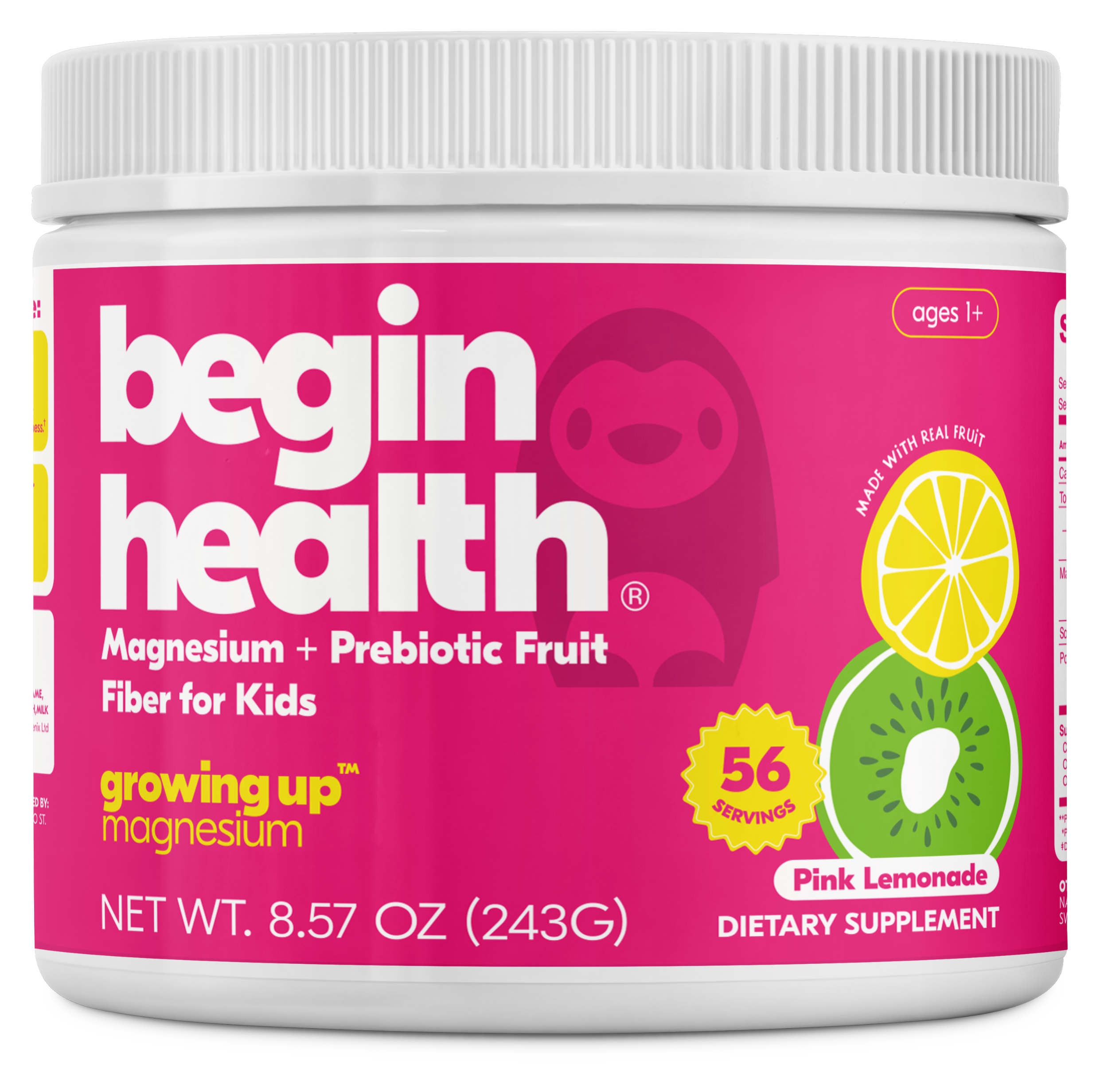
Begin Health offers options designed for growing bodies, including Growing Up Magnesium, which combines both magnesium glycinate with citrate, as well as prebiotic fiber from green kiwifruit for gentle, digestive support.
Many parents use Growing Up Probiotics together with Growing Up Magnesium as part of a daily gut health routine. Prebiotics help nourish the gut microbiome, while magnesium helps keep things moving smoothly, so your little one can enjoy easier potty trips.
If constipation persists, worsens, or shows up with other symptoms like blood in the stool or significant pain, contact your pediatrician or another qualified medical specialist for proper evaluation. Having personalized medical advice tailored to your kiddo’s needs and medical profile is always best.

Author
May Zhu, RDN


-
Buy Now

Join the
Happy Gut Club
Daily reads to help your little ones lead happier and healthier lives.

