



 Login / Create Account










Easy Ways to Add Fiber to Toddler Foods (Without Them Noticing)
share this article
If you have a toddler, you already know the rules: They decide what they’ll eat. They notice everything. And the second food feels “different,” it’s on the chopping block.
That’s what makes fiber so tricky at this age. Toddlers need it for digestion, stool regularity, and gut health — but most high-fiber foods (beans, veggies, whole grains) aren’t exactly crowd-pleasers.
The good news? You don’t need to overhaul their diet or start battles at the table. The most effective fiber strategies are quiet ones—small changes to foods they already accept.
Here are easy, low-stress ways to add fiber to toddler foods without them noticing.
Add Fiber to Foods They Already Love
This is the golden rule. Don’t introduce fiber as the food — blend it into familiar favorites.
Good candidates:
-
Yogurt
-
Applesauce
-
Oatmeal
-
Pancakes or waffles
-
Muffins
-
Smoothies
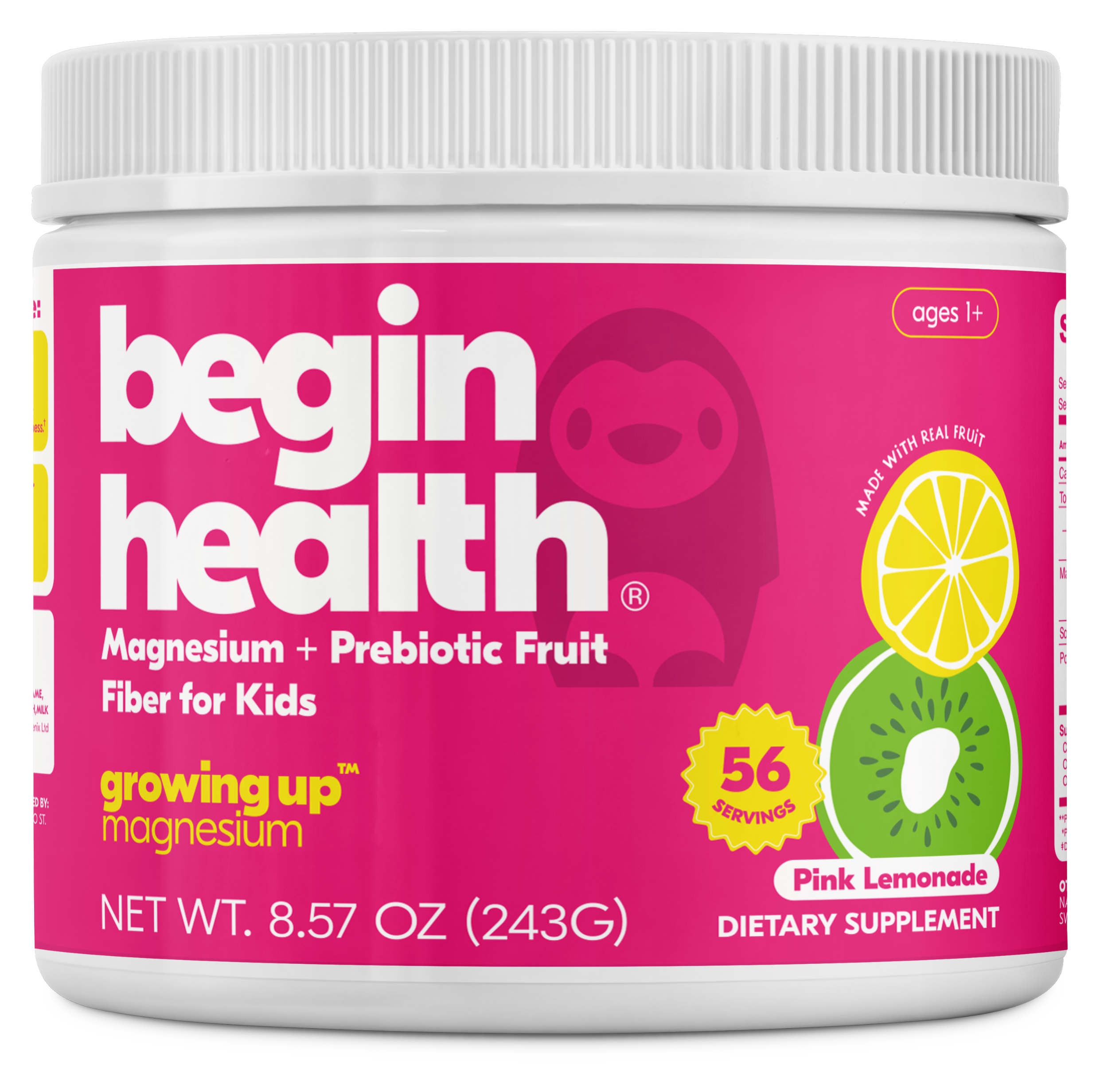
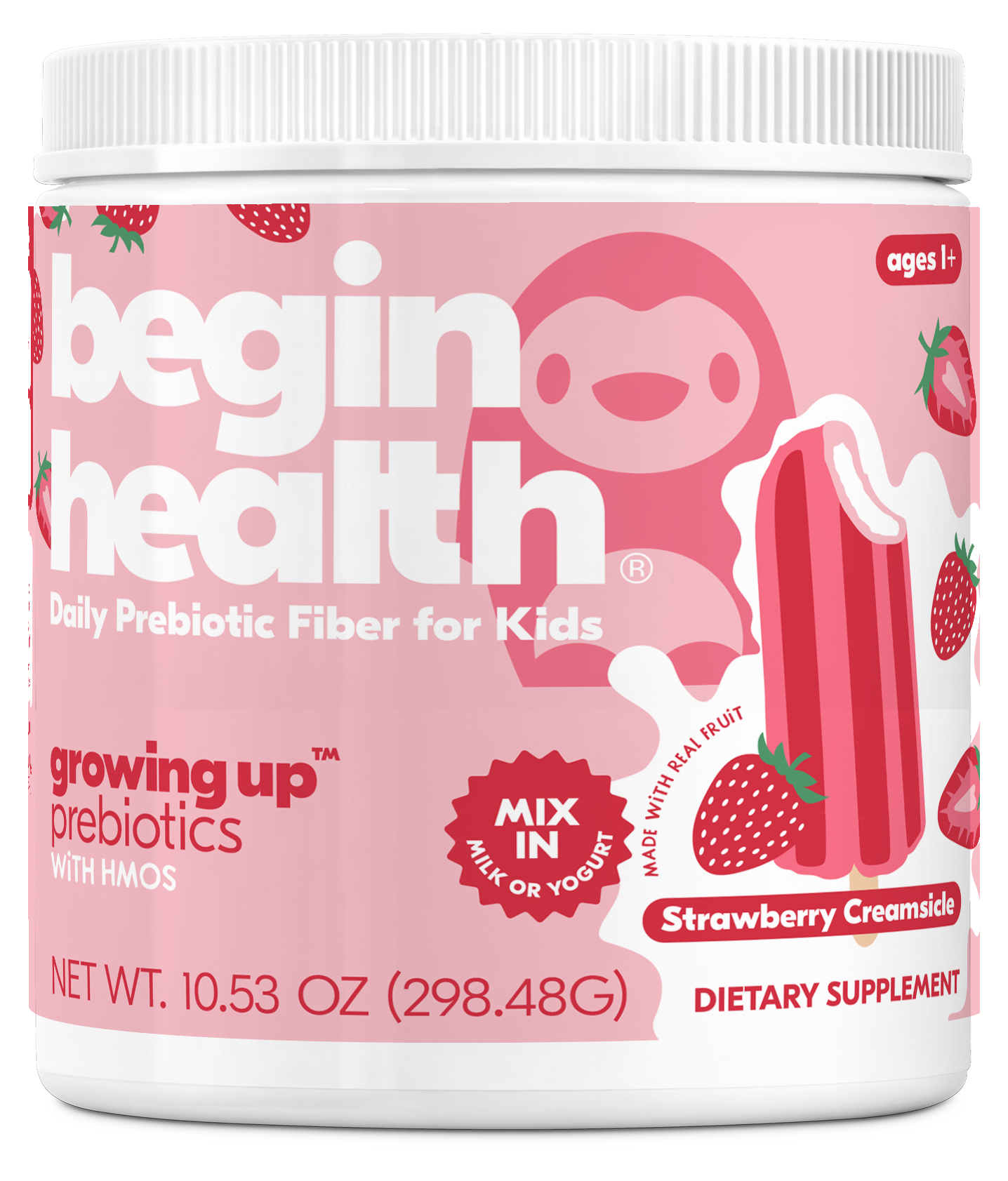
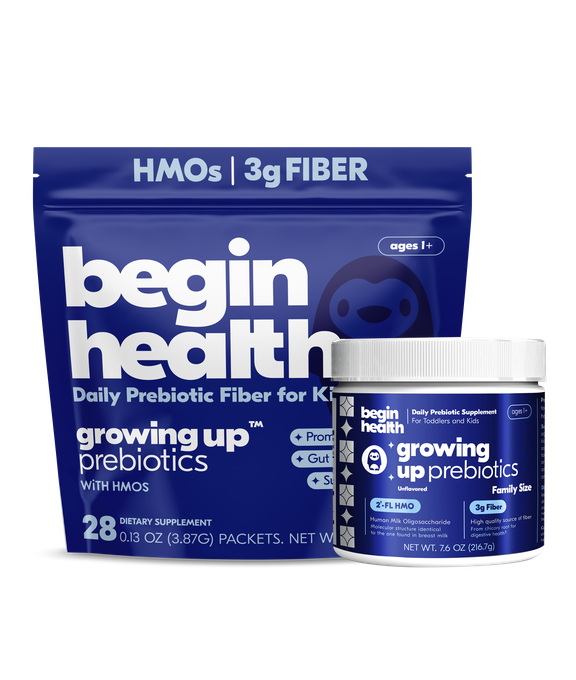
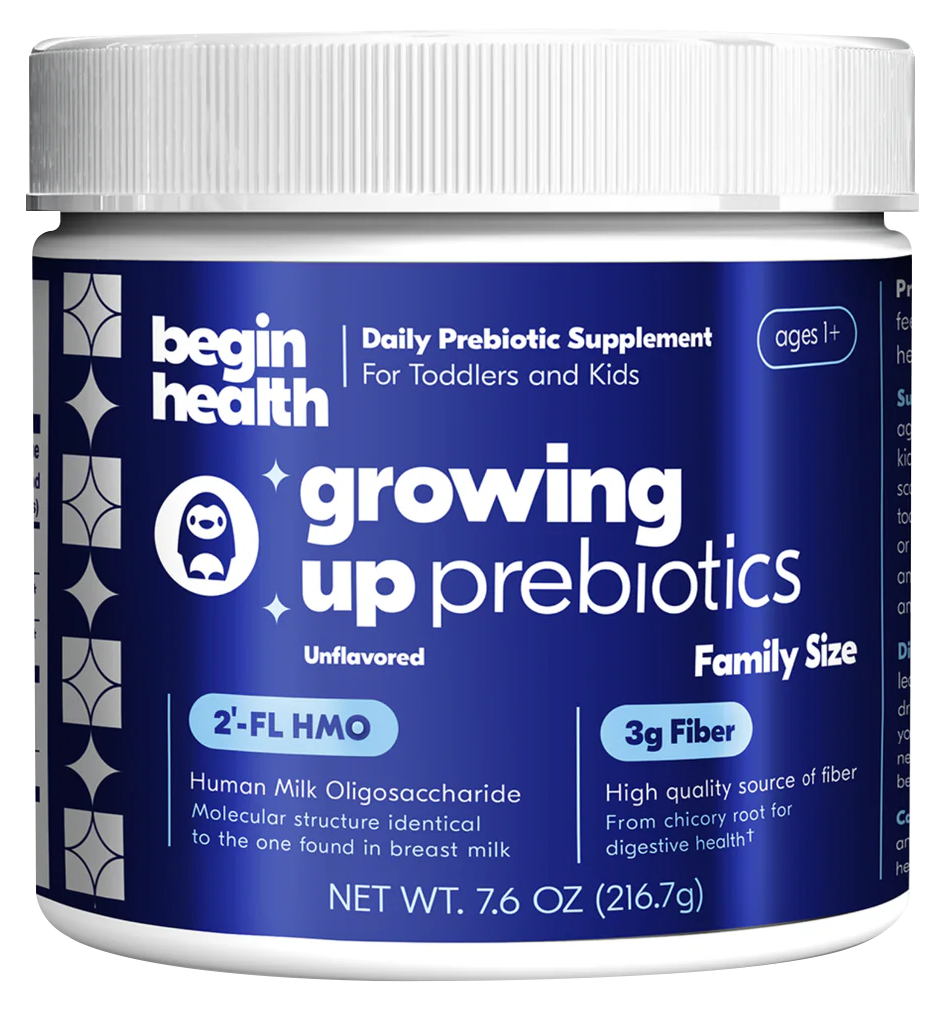
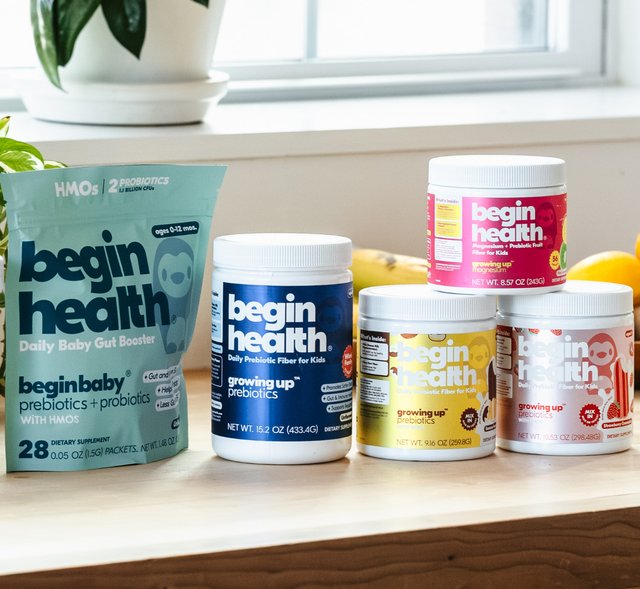
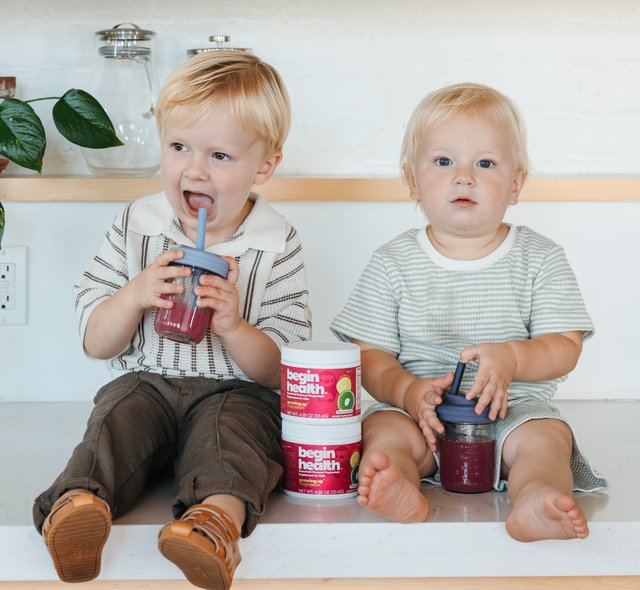
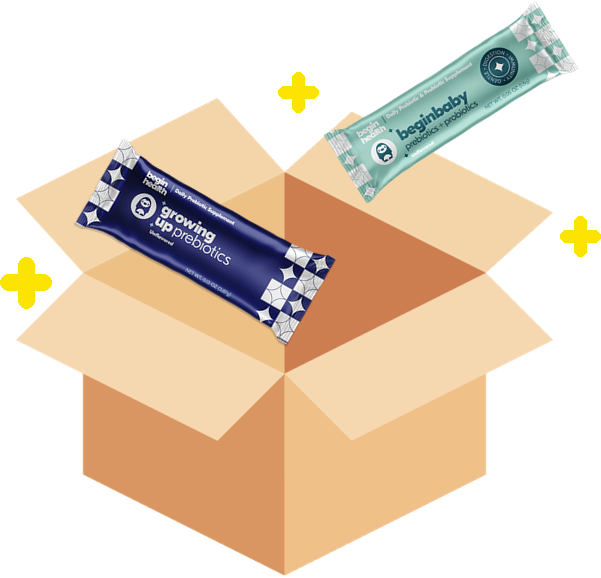
This is where Growing Up Prebiotics shines. It dissolves easily, has no noticeable taste, and doesn’t change texture — so it can be mixed into soft foods without raising suspicion.
Bake Fiber Into Snacks
Toddlers don’t need to know a muffin is “high fiber.” They just need it to taste good.
Easy baking swaps:
-
Use white whole wheat flour instead of all-purpose flour
-
Add rolled oats to muffins, pancakes, or meatballs
-
Mix in ground flaxseed (¼–½ cup per batch works well)
-
Sneak in a little Growing Up Prebiotics
Fiber baked into foods is often better tolerated — and far less noticeable — than fiber served on its own.
Use Fruit Strategically (Not Just Raw)
Whole fruit is great, but many toddlers eat around the skin—or refuse it altogether.
Instead:
-
Mash berries into yogurt
-
Stir applesauce into oatmeal or baked goods
-
Blend frozen fruit into smoothies
-
Add finely chopped fruit to muffins
You still get fiber, but without the texture challenges that cause refusal.
Upgrade Carbs Without Changing the Look
Toddlers are extremely brand- and appearance-loyal. The trick is choosing swaps that look the same.
Examples:
-
White whole wheat bread instead of white bread
-
Oat-based pancakes instead of refined flour versions
-
Higher-fiber pasta shapes they already recognize
If it looks familiar, odds are good it’ll be accepted.
Mix Fiber Into Sauces and Spreads
Soft, blended foods are perfect hiding spots for fiber.
Try adding Growing Up Prebiotics to:
-
Nut butters
-
Cream cheese spreads
-
Yogurt or dips
-
Smooth sauces or purées
A small scoop mixed into a favorite dip is often completely undetectable.
Keep Portions Small and Consistent
When it comes to fiber, more isn’t always better — consistency is.
For toddlers:
-
Small daily amounts are gentler on digestion
-
Spreading fiber across meals works better than loading it all at once
-
Sudden increases can lead to gas or discomfort
This is another reason prebiotic fiber works well — it’s easy to dose precisely and adjust as needed.
Pair Fiber With Enough Fluids
Fiber only does its job properly when there’s enough fluid on board.
Simple ways to support this:
-
Offer water regularly (especially with fiber-rich snacks)
-
You can even offer Growing Up Prebiotics here too. Just mix it in, they won’t even notice!
-
Use milk, smoothies, or soups alongside higher-fiber foods
-
Avoid pushing too much fiber when a toddler is sick or dehydrated
Hydration + fiber = better stool consistency and fewer struggles.
Stay Neutral (Toddlers Smell Pressure)
One of the biggest mistakes parents make is selling food too hard.
Instead:
-
Serve fiber-rich foods calmly
-
Avoid comments like “this will help you poop”
-
Let toddlers decide how much they eat
Low pressure almost always leads to better acceptance.
Why Prebiotic Fiber Is Often the Easiest Entry Point
Many fiber-rich foods are rejected because of texture, bitterness, or unfamiliar flavors. Prebiotic fiber sidesteps those barriers entirely.
Adding Growing Up Prebiotics to foods toddlers already eat allows you to:
-
Support gut health quietly
-
Increase daily fiber without changing routines
-
Avoid power struggles around food
For many families, it’s the simplest way to close the fiber gap while keeping meals peaceful.
The Big Picture
Adding fiber to toddler diets doesn’t require perfect meals or adventurous eaters. It works best when it’s subtle, consistent, and built into foods they already trust.
Think less “new foods” — and more small upgrades to familiar ones.
That’s how fiber becomes part of everyday eating… without anyone noticing.
Trending


-
Buy Now

Join the
Happy Gut Club
Daily reads to help your little ones lead happier and healthier lives.
Trending