


Causes of Eczema in Babies: When It’s Genetic (and When It’s Not)
share this article

Red, itchy patches on your baby’s skin can be unsettling, especially when you’re doing everything right. These patches are a sign of eczema, a common skin condition that affects babies and kids as well as adults.
It can feel confusing because the causes of eczema in babies aren’t always obvious. It usually develops from a mix of skin sensitivity, immune responses, and everyday exposures. That’s why it can feel unpredictable and frustrating to manage.
Let’s understand when eczema occurs in babies, its causes, and triggers that worsen flares.
Why Do Babies Get Eczema in the First Place?
Babies can develop eczema, or atopic dermatitis, due to a genetic predisposition for their skin to react to triggers. This predisposition can be passed down to the baby from the parents. So begin by checking your family history to spot possible causes of eczema.
Having eczema, asthma, and allergies together is called the atopic triad. These conditions share similar genetic and immune pathways, and if you have them, it's more likely for your little one to have them as well. Not every baby develops all three. But sensitive skin may be more prone to flare-ups when exposed to environmental triggers.
When Does Eczema Start in Babies?
According to the National Eczema Association, symptoms can appear within the first six months of a baby’s life. Watch for dry, red, or itchy patches on the cheeks, scalp, behind the knees, or in skin folds. Recognizing these signs of eczema in babies early helps you respond quickly but gently.
The Most Common Internal Causes of Eczema in Babies
By being aware of what’s happening inside your baby’s body, you can better care for them. While external factors can cause flare-ups, these internal factors set the stage for eczema.
1. Family history and genetic predisposition
Eczema, asthma, and allergies can be hereditary. If you or your family members have any of these, your baby may inherit sensitive skin or a more reactive immune system. This can make their skin flare up easily if they come in contact with irritants, even mild chemicals in baby lotions or wet wipes. Knowing your family’s medical history can give you a head start in managing your kiddo’s skin health.
2. Weak skin barrier
Even as your infant grows, their skin is still delicate and holds less moisture than yours. The weaker skin barrier means water escapes and irritants get in more easily, causing dryness and redness. That’s why consistent moisturizing can keep their skin safe.
3. Immature immune system
Your baby’s immune system is gradually learning to react to the world around them. Sometimes it overreacts to harmless environmental factors, causing inflammation. This is a normal part of development, but it can make their skin more prone to eczema.
4. Food allergies
Dietary factors usually don’t cause eczema, but food allergies can worsen symptoms in babies with a genetic predisposition to the atopic triad. If you notice signs of eczema in babies, foods to avoid include eggs, soy, or cow’s milkprotein, as they can cause allergies.
Introduce such foods slowly, and watch how your baby’s skin responds. This can help you spot triggers without setting unnecessary diet restrictions.
How Early Gut Health May Influence Eczema Risk
In addition to the other internal causes, poor gut health is often associated with the severity of eczema.
Gut balance and skin health
In the first months of life, beneficial bacteria, like Bifidobacterium, begin to settle in your baby’s digestive system. These healthy gut bacteria send signals to guide the infant immune system by telling it what’s harmless and what’s toxic.
When this works well, your infant’s skin remains healthy and resilient. However, if the microbiome balance shifts, your little one’s immune system may respond more strongly to everyday exposures, including diet and external factors. This connection, known as the gut-skin axis, is a risk factor for a baby's chances of getting eczema.
C-section birth and gut seeding
If your baby is born by C-section, they may miss infant gut seeding, the early bacterial exposure that naturally occurs during vaginal birth. While this doesn’t mean they’ll get eczema, it can affect the levels and variety of bacteria in their gut. These differences can shape their immune development and influence how their skin tolerates the environment.
Feeding and immune development
Breast milk naturally contains human milk oligosaccharides (HMOs), which help your baby grow beneficial gut bacteria and support their immune system. If your little one is formula-fed, they can still develop healthy gut bacteria. But the types of bacteria may differ early on.
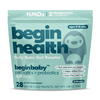
Also, when introducing cow’s milk into your toddler’s diet, gut-related skin sensitivity may worsen existing eczema flare-ups. In such cases, supplements like Begin Health’s Beginbaby Prebiotics + Probiotics may help support gut and skin health.
Environmental Triggers That Commonly Worsen Baby Eczema
Daily routines can sometimes lead to eczema flare-ups, even when you’re being careful with your little one. Certain environmental factors irritate sensitive skin more easily. Watch for these triggers:
- Soaps and detergents with fragrance or harsh cleansers
- Sudden weather changes, including cold air, low humidity, and heat
- Sweat, especially if you overdress your baby
- Drool and teething irritation around the mouth, chin, and neck
- Household allergens like dust mites, pet dander, and pollen
- Rough or tight fabrics, such as wool or synthetic materials
How To Treat Eczema in Babies Safely
Managing eczema in babies starts with gentle skincare. Regularly moisturizing with fragrance-free, thick creams helps protect and hydrate your baby’s delicate skin.
Skin comfort also depends on what’s happening inside their body, with close links to digestion and immune balance. Follow age-appropriate feeding guidance, introduce new foods gradually, and watch for sensitivities to foods such as cow’s milk. Consider gut supplements such as Beginbaby Prebiotics + Probiotics to support your baby’s tummy and skin.
Pay attention to when flares appear to spot patterns and adjust the environment for your kiddo’s comfort. Simple changes, like dressing them in airy clothing, keeping the room cool, and cleaning drool or sweat off their skin immediately, can make a noticeable difference.
Also, though eczema is often itchy, make sure your baby doesn’t scratch their skin, as it can open up sores and lead to skin infection. Monitor rashes for changes like oozing or crusting. If symptoms persist or get severe, consult a pediatric dermatologist for eczema treatment in babies and preventive measures for future care.
Natural Ways To Support Baby Skin Comfort
When you explore natural remedies for eczema in babies, focus on daily care instead of quick fixes.
Gut supplements
Prebiotics and probiotics for baby eczema can support your little one's gut and skin health from within. Probiotics are beneficial gut bacteria that boost immunity, whereas prebiotics are nourishment for these bacteria. Together, they may help balance the gut, reduce inflammation, and promote healthier skin.
However, some supplements may contain ingredients like soy protein, additives, or synthetic colors, which can cause reactions. Here are the top ingredients to avoid in baby prebiotics and probiotics. This list can help you be mindful of what goes in and choose the right product for your little one.
Nourishing Foods
Gut-friendly, inflammation-preventing foods may help reduce flare-ups over time. Try adding foods like oatmeal, mashed avocado, or pumpkin puree to your little one’s diet. For inspiration, check these 5 eczema-soothing recipes to comfort your toddler’s tummy.
These small choices can soothe their skin and make flare-ups easier to manage.
How To Help Prevent Eczema Flare-Ups in Babies
Eczema often comes and goes, but consistent care through a routine keeps your baby’s skin calm and comfortable. These eczema clearing strategies can make your life simpler:
- Make moisturizing a daily ritual, not just something you reach for during flares.
- Apply moisturizer to damp skin after baths to help seal in hydration.
- Choose mild, scent-free products for bathing, laundry, and skincare.
- Keep bath-time brief and stick with lukewarm, not hot, water.
- Gently pat your baby’s skin dry with a soft towel to avoid irritation.
- Make them wear lightweight, breathable fabrics that won’t rub or trap heat.
- Watch for overheating and change your baby out of sweaty or damp clothes immediately.
- Wipe away drool and protect the delicate skin around the mouth and neck.
- Act early and maintain this routine at the first sign of eczema.
If flare-ups continue despite these steps, speak to your pediatric dermatologist for the appropriate treatment for eczema in babies. This can include topical treatments for the skin or probiotic supplements to improve gut health.
Supporting Baby Skin Health From the Inside Out
Caring for your baby’s sensitive skin means looking beyond topical care. Gut health and immunity quietly influence how their skin reacts to triggers. Simple, consistent choices like moisturizing daily and boosting gut health with probiotic supplements can have positive long-term results.
Support your baby’s gut health with Beginbaby Prebiotics + Probiotics, packed with healthy bacteria and HMOs. Add them to your little one’s daily routine to complement skincare habits and make them comfortable.

Author
May Zhu, RDN


-
Buy Now
Join the
Happy Gut Club
Daily reads to help your little ones lead happier and healthier lives.